




From Sightseeing to Soul-Searching
For decades, a successful vacation was measured by the number of landmarks visited and photos taken. But India’s younger generation, comprised of Millennials and Gen Z, is rewriting that script. They are increasingly prioritising travel that offers more
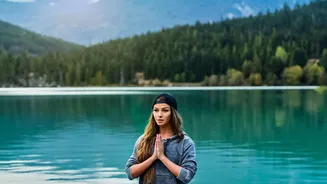
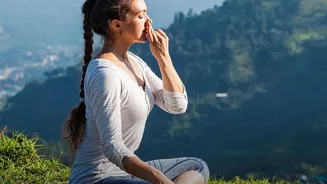
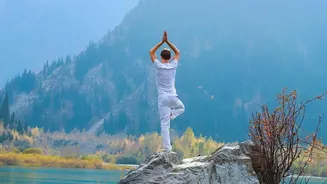
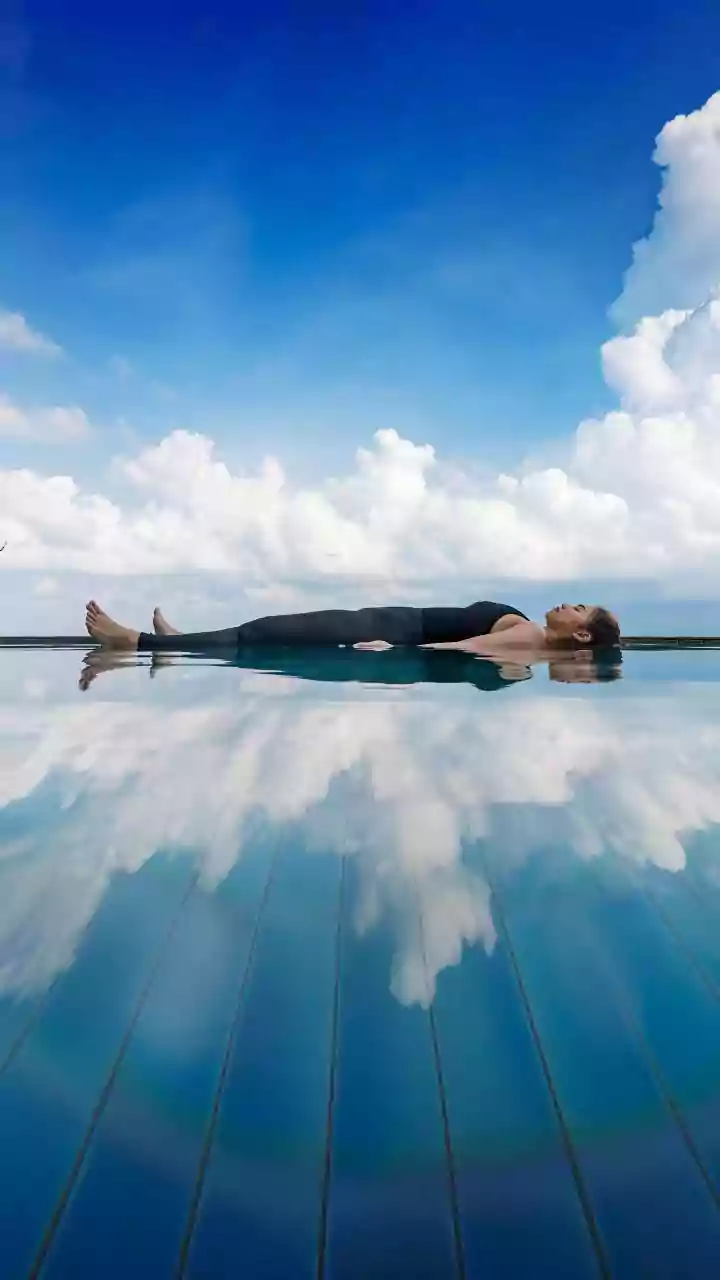
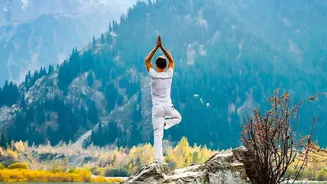
than just a change of scenery; they want a change of self. This marks a significant shift from tourism defined by action-packed itineraries to travel defined by intention. Instead of asking where to go, many young travellers are asking what experience will help them feel better and more connected to themselves. The focus is less on doing and more on being, turning destinations like Rishikesh from a hub for rafting into a sanctuary for yoga and meditation.
The Burnout Generation Seeks a Real Reset
The pressures of modern urban life in India are a key driver of this trend. Hustle culture, long work hours, digital fatigue, and the constant demand to be connected have left many young professionals feeling drained. Burnout has become so common that people are actively seeking temporary escapes that offer genuine rest, not just a distraction. Vacations are no longer seen as a mere indulgence but as a necessary tool for mental and emotional maintenance. In this context, a wellness trip—whether it's a silent retreat, a nature-based stay, or a structured detox program—is viewed as a proactive investment in well-being to counter the stress of daily life.
The Rise of the Digital Detox
Ironically, the same digital world that contributes to burnout also shapes the desire to escape it. For a generation that lives online, the ability to completely disconnect has become the ultimate luxury. Wellness retreats that offer phone-free environments or limited Wi-Fi are not seen as a drawback but as a core feature. This deliberate un-plugging allows for a deeper sense of presence and mental clarity that is nearly impossible to achieve in a hyper-connected world. This trend is part of a larger movement towards 'slow travel,' where the emphasis is on longer, more immersive stays that allow travellers to settle into a new rhythm rather than rushing through an itinerary.
A New Definition of Luxury and Experience
The idea of what constitutes a 'luxury' experience is also evolving. For many young Indians, luxury is less about opulent hotels and more about privacy, authenticity, and personalised care. Travel is increasingly seen as a reflection of one's identity and values. This has fueled interest in boutique retreats, eco-lodges, and personalised wellness programs tailored to individual needs, from diet to mental health goals. Experiences that promise personal growth, emotional healing, and a genuine connection to nature are now considered more valuable than conventional five-star amenities. This is reflected in the growing demand for holistic healing traditions like Ayurveda and yoga, which offer deep, systemic well-being over superficial pampering.
The Post-Pandemic Push for Health
The COVID-19 pandemic acted as a major catalyst for the wellness travel trend. It heightened global awareness around physical and mental health, leading many to reconsider their lifestyles and priorities. Post-pandemic, there's a greater appreciation for travel that actively improves one's health, from boosting immunity to managing anxiety. The term 'workation'—blending remote work with stays in scenic locations—also gained massive traction, allowing young professionals with flexible jobs to escape urban burnout without taking official leave. This has enabled longer stays in wellness-oriented destinations, further embedding health into the travel experience.