




The New Shape of Rain
For centuries, India’s ecosystems have evolved around the steady beat of the monsoon. Now, that beat is becoming chaotic. Scientists observe that climate change isn't just about the total amount of rain, but its character. Studies show that for every
degree Celsius of warming, monsoon rainfall will likely increase by about 5%, leading to more extremely wet years. However, this increase isn't uniform. The pattern is shifting towards fewer rainy days overall, but with more intense and extreme downpours when it does rain. This volatility—long dry spells punctuated by sudden, destructive deluges—is a fundamental departure from the consistent moisture that India's forests have always depended on. The result is a cycle of drought and flood that destabilises ecosystems from the ground up.
How Forests Feel the Strain
Different forests have different needs, and this new rainfall regime is pushing many to their limits. Moist deciduous forests, with their dense canopies, may show some resilience to short-term instability, but dry deciduous forests are far more vulnerable. Functioning closer to moisture-stress thresholds, these ecosystems are hit hard by extended droughts, which can increase the risk of forest fires. At the other extreme, intense downpours don't necessarily help. Heavy rainfall on dry, compacted soil leads to massive erosion, washing away vital nutrients and making it impossible for new seedlings to take root. This one-two punch of drought and deluge disrupts the life cycles of trees and threatens the very structure of the forest.
A Warning from the Western Ghats
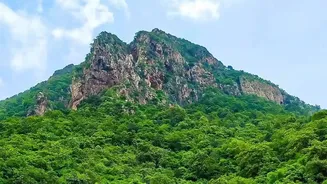
The Western Ghats, a UNESCO World Heritage site and a global biodiversity hotspot, offer a clear and worrying case study. This region's unique flora and fauna are intricately tied to specific rainfall patterns. Recent events show how fragile this balance has become. In a recent example, a sudden break in the monsoon caused the entire egg clutches of the rare Matheran Wrinkled Frog, which lays its eggs on damp rocks, to dry up and perish. This is a small but potent example of a larger trend. Scientists have identified forested regions along the Western Ghats as climate change hotspots, having already recorded significant temperature rises and rainfall changes. These shifts threaten not just individual species, but the entire ecological architecture of one of India's most precious natural treasures.
The Fresh Questions Scientists Are Asking
The changing climate is forcing a rethink of old certainties. The headline from the scientific community is no longer just that climate change is happening, but that its effects are complex and unpredictable. The 'fresh questions' scientists now face are about resilience and tipping points. How much change can an ecosystem absorb before it transforms into something else entirely? A recent study in central India's Panchmarhi Biosphere Reserve found that decades of warming and shifting rains contributed to a 13% loss of forest cover, turning some patches into scrubland. Yet, some studies also find a surprising resilience in certain forest types, which seem to withstand large variations in rainfall. This leads to critical new inquiries: What makes one forest resilient and another vulnerable? Can a forest show signs of 'greening' while its overall health and ability to store carbon are actually declining? Answering these questions is crucial for developing effective, region-specific conservation plans.
Why Forest Health is National Health
The fate of India's forests is not a niche environmental concern; it is directly linked to the nation's water security, agricultural stability, and economic future. Forests act as giant natural sponges, absorbing monsoon rains and releasing water slowly, recharging the groundwater that feeds rivers and irrigates crops downstream. When that system is broken by soil erosion and rapid runoff, the consequences are felt far beyond the forest's edge, leading to greater flood risk during the monsoon and water scarcity in the dry season. More than 80% of India's population lives in districts vulnerable to climate-related disasters, and the health of our forests is a critical line of defence. Protecting them is not just about preserving biodiversity, but about securing a stable and prosperous future for the country.