



The Perfect Post-Monsoon Window
After a mandatory halt during the peak monsoon months of July and August for safety reasons, commercial river rafting in Rishikesh is set to resume. The season typically reopens in the latter half of September, and this year, operators are gearing up
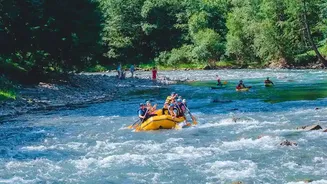
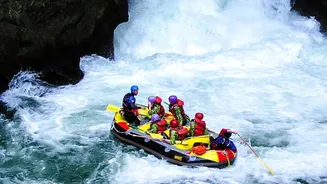
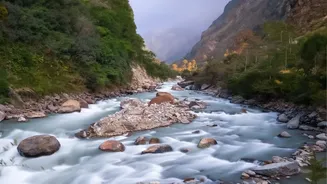
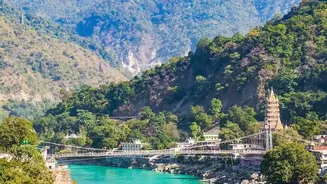
for what many consider the best time for white-water rafting. The river, swollen with fresh rainwater, is powerful and energetic, making the rapids more exciting than in the drier seasons. The surrounding Himalayan foothills are at their most lush and vibrant, providing a stunning green backdrop to the turquoise waters. This period combines the thrill of high water levels with the beginning of clear, pleasant weather, creating an ideal environment for adventure seekers who have been eagerly waiting for the season to begin.
Safety First, Adventure Always
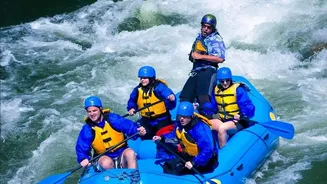
The prospect of powerful, post-monsoon rapids can seem intimidating, but Rishikesh's adventure industry operates under strict safety protocols overseen by authorities like the Uttarakhand Tourism Development Board. Before any raft touches the water, a comprehensive safety briefing is mandatory. Guides, who are certified in water rescue and first aid, explain essential commands, paddling techniques, and what to do if you fall into the river. Every rafter is equipped with a high-quality, correctly-fitted life jacket (Personal Flotation Device) and a helmet, which must be worn at all times. Operators who are licensed and certified are a must-do for a safe experience, as they ensure their equipment is well-maintained and their guides are experienced.
A First-Timer's Guide to the Rapids
Even if you've never held a paddle before, Rishikesh has a rafting experience for you. The river stretches are divided by grades of difficulty, and beginners have excellent options. The Brahmapuri to Rishikesh stretch (around 9-12 km) is the most recommended for novices and families, featuring mild Grade I and II rapids like 'Sweet Sixteen' and 'Hilton'. For those feeling a bit more adventurous, the 16 km stretch from Shivpuri to Rishikesh is the most popular, offering a perfect mix of calm floating sections and exciting Grade II and III rapids such as 'Roller Coaster' and 'Golf Course'. Non-swimmers can safely participate on these beginner-friendly routes, as the life jacket provides full buoyancy. Your guide will steer the raft, but the thrill comes from paddling as a team to navigate the waves.
Gearing Up for Your Ganga Adventure
What you wear can significantly impact your experience. The golden rule is to avoid cotton, which gets heavy and cold when wet. Instead, opt for quick-drying synthetic clothing like a T-shirt and shorts or leggings. Secure footwear is essential; choose sports sandals with straps or old sneakers, but absolutely no flip-flops, as they will be lost to the river's current. Protect yourself from the sun with waterproof sunscreen and sunglasses, preferably secured with a strap. It's best to leave valuables like jewellery and non-waterproof electronics at your hotel. Most operators provide a dry bag for small essentials, but travelling light is always the best policy. Remember to pack a change of clothes and a towel for after your exhilarating ride.
Choosing a Reputable Operator
The key to a fantastic and safe rafting trip lies in selecting the right operator. With dozens of companies lining the roads of Rishikesh, it's crucial to choose one that is licensed and certified by government bodies. You can verify this by looking for their official credentials. Reading online reviews from previous customers can provide insight into their safety record and professionalism. A good operator will be transparent about their safety procedures, the quality of their equipment, and the experience of their guides. While it may be tempting to go with the cheapest option, prioritizing safety by booking with a trusted and well-regarded company ensures you can enjoy the rapids with confidence and peace of mind.