



From Impulse Buys to Investment Pieces
There’s a noticeable change in how Indian homes are being decorated. The culture of 'fast furniture'—mass-produced, inexpensive items designed to be replaced every few seasons—is losing its sheen. Shoppers are turning away from throwaway trends and are instead
viewing their purchases as long-term investments. Instead of filling a cart with multiple low-cost, generic decor items, the focus is now on acquiring a single, well-crafted piece that holds visual weight and personal meaning. This reflects a broader move away from interiors that look perfect but feel impersonal, towards spaces that prioritise comfort and character. It’s a deliberate choice for fewer, but better, things.
The New Economic Sensibility
In a climate of rising living costs and economic uncertainty, the Indian consumer is becoming more financially astute. This isn't about being cheap; it's about being smart. A well-made solid wood table or a hand-woven rug might have a higher initial cost, but its longevity makes it more economical over time compared to replacing a peeling particleboard desk or a frayed synthetic carpet every couple of years. This shift is rooted in a desire for value for money. Households are more actively managing their budgets and postponing large, frivolous expenses, instead channelling funds towards purchases that promise durability and lasting utility.
Conscious Consumerism Takes Root
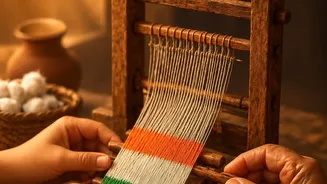
A growing environmental consciousness is also steering purchase decisions. Many shoppers, particularly younger millennials and Gen Z, are increasingly aware of the environmental toll of throwaway culture, from resource depletion to overflowing landfills. This has fueled a demand for products made from sustainable materials like bamboo, jute, and recycled or upcycled elements. The 'Made in India' tag has also evolved from a mere slogan to a marker of authentic craftsmanship and quality. By choosing locally made, artisanal products, consumers are not only reducing their carbon footprint but also supporting traditional crafts and empowering local communities.
A Search for Personal Expression
Moving away from mass produced trends is also a powerful form of self expression. Homeowners are growing tired of seeing the same catalogue look in every apartment. They are now curating spaces that tell a personal story, mixing modern pieces with unique, handcrafted finds. This desire for individuality is driving the popularity of items with character, whether it's a piece of hand carved furniture, a Dhokra brass sculpture, or a hand painted piece of folk art. A home filled with such meaningful objects feels more authentic and soulful than one decorated entirely with fleeting, factory made novelties. The focus has shifted from what’s trending to what truly resonates.
The Enduring Appeal of Heirlooms
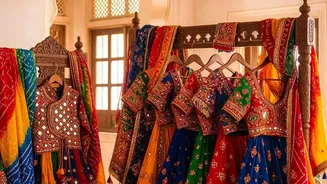
There's a strong cultural nostalgia at play. Many Indians grew up in homes where furniture was built from solid teak or sheesham wood, designed to be passed down through generations. This 'grandmotherly inspired' style, or 'granny chic', is making a comeback, but with a modern, refined twist. It’s less about clutter and more about incorporating meaningful, traditional elements—like inherited brass accents, block printed textiles, or a sturdy wooden chest—into a contemporary setting. This trend connects homeowners to their roots and offers a comforting sense of permanence in a fast changing world. It's a return to the belief that the things we own should be worthy of becoming future heirlooms.