







The Fabric Foundation
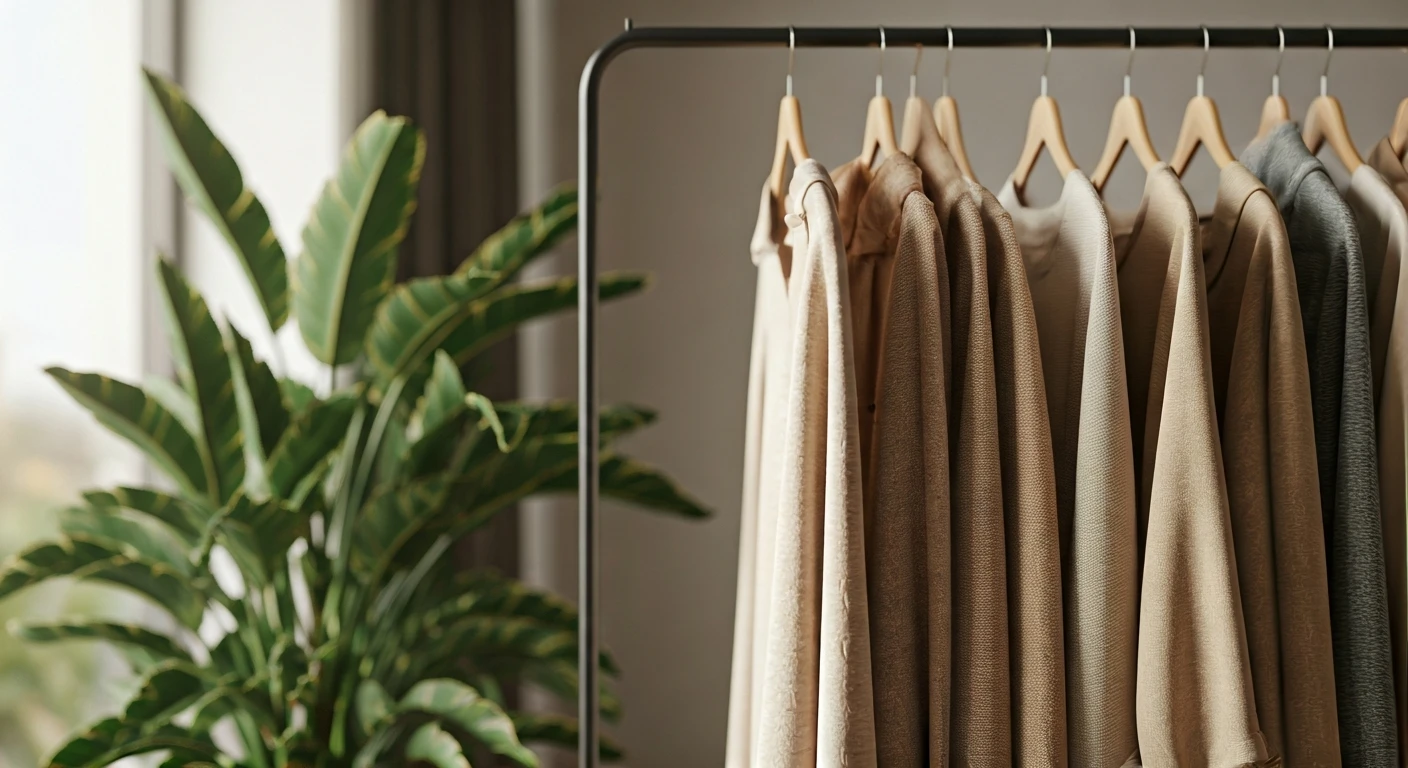
The key to successful layering begins with your choice of material. Breathable fabrics are essential because they allow air to circulate and moisture to escape, preventing that sticky, uncomfortable feeling. Natural fibres are often the best performers.
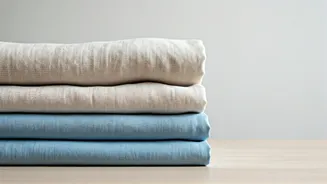
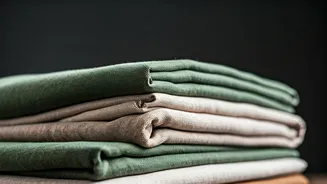
Cotton, especially in a lightweight weave, is a soft and breathable classic. [17, 18] For superior performance, look for Pima cotton, which has longer fibres, making it both softer and more durable. [1] Linen is another champion of airflow, known for its exceptional ability to keep you cool. [3, 5] While it can wrinkle, its moisture-wicking properties are second to none, making it perfect for India's warmer climate. [13, 14] Newer, sustainable options like Tencel (also known as Lyocell) offer a silky, soft feel, drape beautifully, and are extremely breathable and moisture-absorbent. [4, 6, 7] Even lightweight merino wool can be a surprising year-round ally; it regulates temperature, meaning it keeps you warm in the cold and cool in the heat, and is naturally odor-resistant. [10, 28]
The Essential Base Layer
Your first layer sets the tone for comfort. This is the piece that sits closest to your skin, so its breathability is paramount. For both men and women, a well-fitted T-shirt or camisole made from Tencel, a cotton blend, or even lightweight merino wool is an excellent starting point. [4, 19] A classic button-down shirt in crisp cotton or airy linen also serves as a fantastic base. [2, 5] These pieces work on their own in warmer settings but are slim enough to sit comfortably under other garments without adding bulk. [30] The goal is to choose a piece that wicks moisture away from the skin, ensuring you stay dry and comfortable whether you're navigating a crowded train or sitting in a stuffy meeting room. [12, 20]
The Versatile Mid-Layer
The mid-layer is your tool for adapting to the office's fluctuating temperatures. This is the piece you'll likely shed and put back on throughout the day. Instead of a single heavy jacket, think in terms of lighter, more flexible options. For a professional look, an unstructured blazer in a linen blend or lightweight cotton is a perfect choice. [3, 11] It adds a layer of polish without the restrictive feel of a traditional suit jacket. Fine-gauge knit cardigans in cotton or merino wool are another staple; they are easy to throw on over a shirt or dress and can be stored easily in a bag or a desk drawer. [24] An open-knit or crochet-style sweater can also add texture and warmth without trapping heat. [15] For a more modern, business-casual approach, a sleek vest can provide core warmth while leaving your arms free.
The Polished Outer Layer
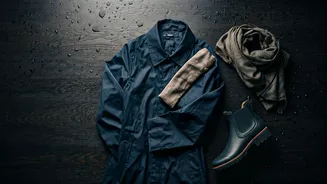
The outer layer is your shield against the elements during your commute. It needs to be practical and professional, but also easy to remove once you're indoors. A classic trench coat is a timeless option that works well in transitional weather. For a more relaxed feel, a stylish bomber jacket or a structured jean jacket can be layered over your office attire. [27] The key is to select an outer layer that complements your professional look but isn't so bulky that it becomes a hassle once you arrive at your desk. This piece completes your outfit on the way to and from work, protecting your carefully chosen layers underneath.
Putting It All Together
Creating a cohesive, layered look is about balance. If you opt for wide-leg linen trousers or a flowy skirt, pair it with a more fitted top to maintain a structured silhouette. [29] Conversely, a slim-fitting base like a sheath dress can be balanced with a slightly looser, unstructured blazer. [11] Stick to a complementary colour palette to ensure that your outfit looks intentional, even when you remove a layer. [23] For instance, a base of neutral tones (like white, navy, or beige) allows you to add a pop of colour with your mid-layer, such as a cardigan or scarf. [13] The ultimate goal is for each combination to look like a complete outfit, so you feel polished and comfortable no matter which layer is showing.