
The Foundation: A Flawless Filling
The heart of any great cutlet is its filling, and the texture starts with the potatoes. For a perfect, non-sticky base, it is crucial to boil or steam your vegetables until they are just tender, not mushy. Excess moisture is the enemy of a firm cutlet that
holds its shape. After boiling, drain the vegetables thoroughly and let them cool completely, which allows excess steam to evaporate. Some cooks even recommend using potatoes that turn dry and not gooey after cooking to ensure the mixture isn't fragile. When you mash the vegetables, do it while they are still slightly warm, and consider adding a binding agent at this stage. Ingredients like powdered poha (flattened rice), cornflour, or breadcrumbs can be mixed directly into the mash to absorb any remaining moisture and create a stiffer, more manageable dough.
Beyond the Basics: Inventive Fillings
While the classic combination of potatoes, peas, and carrots is a comforting standby, café-style cutlets often feature more adventurous flavours. Don't be afraid to experiment. Finely chopped capsicum, sweet corn, grated beetroot, and french beans add texture and sweetness. For a richer, more indulgent cutlet, consider adding crumbled paneer for a soft, protein-rich element or even tucking a small slice of cheese inside the patty for a molten centre. The key is to ensure all added vegetables are finely chopped or grated and cooked until any excess water has evaporated. Spices are your best friend here. Move beyond basic salt and pepper and introduce powders like chaat masala, amchur (dry mango powder), cumin, and garam masala for that signature street-food tang.
The Secret to a Superior Crunch
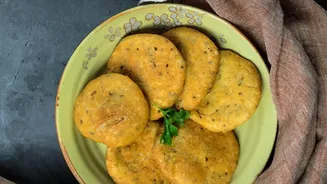
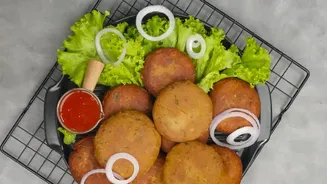
The hallmark of a café-quality cutlet is its audibly crispy coating. The best way to achieve this is with a two-step dredging process, often called a double coating. First, lightly dust the shaped patty in a dry flour like maida or cornflour. This helps the next layer stick. Next, dip it into a thin slurry, typically made from all-purpose flour or cornflour mixed with water to a smooth, batter-like consistency. The final, and most important, step is the outer coating. For an airy, ultra-crisp texture that absorbs less oil, panko breadcrumbs are superior. These Japanese-style breadcrumbs are flakier and larger than regular breadcrumbs, resulting in a lighter, crunchier finish that stays crisp for longer. Crushed vermicelli or even coarse sooji (rava) can also be used for a unique and crunchy exterior.
Technique for Perfect Frying
How you fry is just as important as what you fry. The most common mistake leading to oily, soggy cutlets is incorrect oil temperature. The oil must be hot enough before the cutlets go in. You can test it by dropping a small piece of breading into the pan; if it sizzles immediately, the oil is ready. Do not overcrowd the pan. Frying too many cutlets at once causes the oil temperature to drop drastically, leading to the cutlets absorbing oil instead of crisping up. Fry in small batches, allowing the oil to come back up to temperature between each one. Shallow frying is a popular method, using just enough oil to come halfway up the side of the cutlet. Fry on one side until golden brown and crisp, then flip carefully and fry the other side. Once cooked, drain the cutlets on a wire rack instead of paper towels to allow air to circulate, preventing the bottoms from turning soggy.