








The Evolution of the 'Third Place'
The coffee shop has long been known as a 'third place'—a crucial social setting separate from home (the first place) and work (the second). Coined by sociologist Ray Oldenburg, this concept describes informal public spaces that anchor community life.
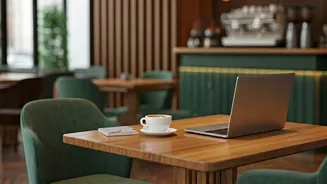
Historically, coffee houses were hubs for intellectual debate and social exchange. Today, this idea is being radically updated. With the rise of remote work and flexible schedules, especially post-pandemic, the lines between work and leisure have blurred. Cafés are now stepping in to fill the void, offering not just a table, but a sense of place for a generation of workers untethered from traditional offices. They have become our informal living rooms and unofficial offices, where productivity meets social connection.
The Hybrid Cafe: More Than Just Coffee
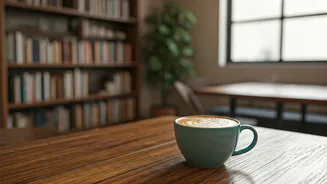
Modern coffee shops are no longer just about the brew; they are multifunctional venues. Many now operate as hybrid spaces, blending the functions of a café with co-working hubs, libraries, art galleries, and even intimate performance venues. It's common to see walls adorned with local art, shelves stocked with books, and corners designated for focused work. Some have gone a step further, transforming into bars after sunset, creating an all-day hangout spot that evolves with the customer's needs. This shift is a response to a clear demand: people want spaces that cater to diverse activities, from a morning espresso and a work session to an evening of live music or a poetry reading. In India, this trend is visible in cities like Mumbai and Delhi, where chains and independent cafes alike are curating multi-sensory experiences.
Fostering Community and Connection
In an increasingly digital world, there's a strong desire for genuine human connection, and coffee shops are becoming vital pillars of community. Unlike the transactional nature of large chains, specialty cafés are intentionally designed to foster interaction. Open brew bars invite conversation between baristas and customers, while communal tables encourage strangers to connect. Many cafés actively build communities by hosting events like coffee tasting workshops, open mic nights, and book clubs. They also champion local culture by partnering with nearby artisans and featuring local products, which enriches the customer experience with a unique, homegrown flavour. More than 70% of regular patrons report feeling a stronger sense of community in coffee shops compared to other social spaces, underscoring their importance as modern gathering points.
The Indian Coffee Revolution
India, traditionally a tea-drinking nation, has witnessed an explosive growth in coffee culture over the last decade. The market, valued at over ₹8,000 crores, is projected to double by 2028. This boom is particularly strong in urban centres like Bengaluru, Mumbai, and Delhi, and is rapidly expanding into Tier-2 and Tier-3 cities. Driving this are young, discerning consumers—millennials and Gen Z—who seek authenticity, quality, and an experience that goes beyond the cup. They are interested in single-origin beans, artisanal brewing methods, and brands that align with their values, such as sustainability and ethical sourcing. In response, Indian cafés are innovating by fusing global trends with local flavours, creating everything from cardamom-infused cold brews to jaggery cortados. Brands like Blue Tokai, Subko, and Third Wave Coffee Roasters have pioneered this movement, focusing on high-quality Indian beans and creating spaces that are both globally sophisticated and distinctly local.
Designing for the Experience
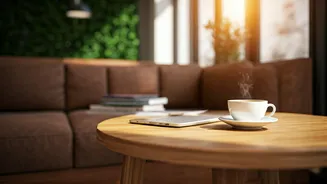
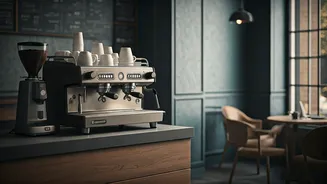
In today's experience economy, the design and ambiance of a coffee shop are as crucial as the coffee itself. Successful cafés are masterfully designed to be comfortable, functional, and visually appealing—often with an eye toward social media shareability. The layout is carefully considered to create distinct zones: quiet corners for working, larger tables for groups, and comfortable nooks for relaxation. Lighting, music, and even the choice of furniture are curated to create a welcoming atmosphere that encourages customers to linger. This focus on design is about making the time spent in the café feel intentional. It’s a recognition that customers aren't just buying a beverage; they are buying an experience, a moment of comfort, and a place to belong.