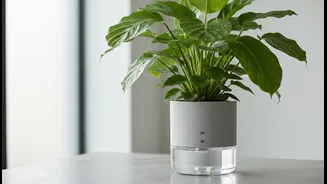



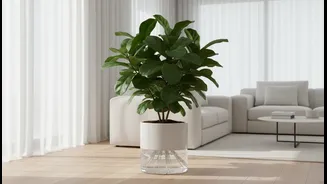
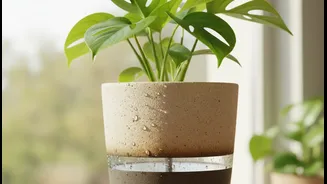
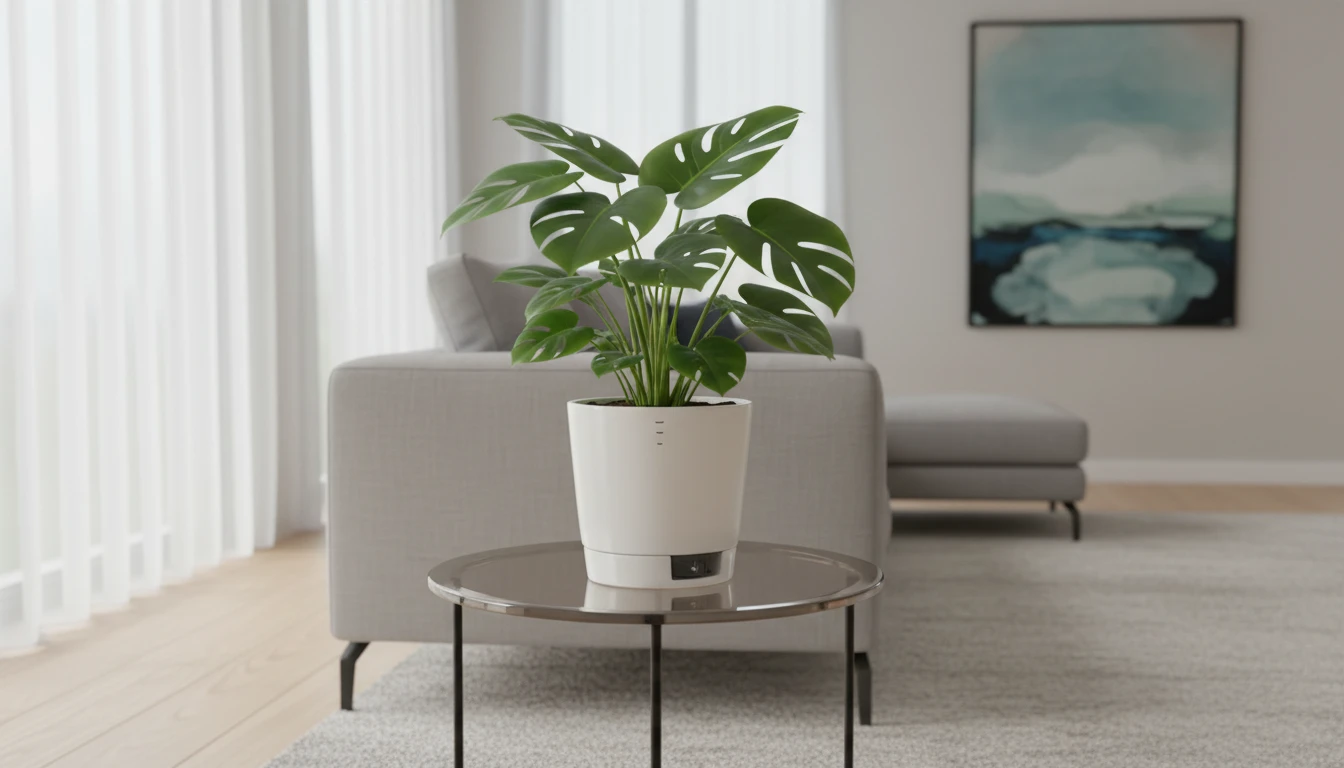


The Science of Self-Watering
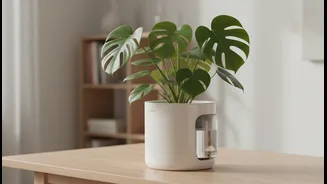
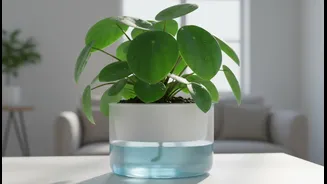
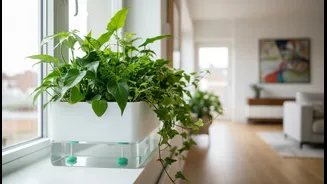
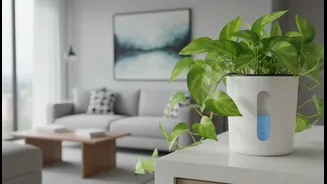
A capillary system for plants relies on a fascinating scientific principle called capillary action. This is the ability of a liquid to flow through narrow spaces, even against gravity. Think of how a paper towel absorbs a spill—the water seems to climb
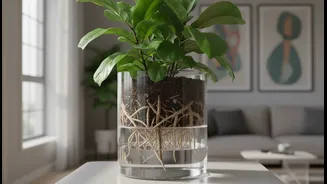
up the fibres on its own. In a plant watering system, an absorbent material like a cotton rope or a felt-like mat acts as a bridge. One end sits in a water reservoir, and the other makes contact with the plant’s soil through its drainage holes. The soil then draws water from the material as it begins to dry out, ensuring it receives a consistent, steady supply of moisture without ever becoming waterlogged. This process effectively allows the plant to drink whenever it's thirsty.
More Than Just a Vacation Hack
While setting up a self-watering system is an excellent way to keep your plants alive during a holiday, the benefits extend far beyond that. For plant owners with busy schedules or a tendency to forget, it removes the guesswork and stress from daily maintenance. It provides consistent moisture, which prevents the damaging cycle of drought and drenching that can stress a plant. This leads to healthier, stronger root systems and more uniform growth. Commercial growers have used these systems for years to produce thriving, uniform crops while conserving water, as the plant only takes what it needs. For the home gardener, it translates to less time hovering with a watering can and more time simply enjoying your lush, green companions.
Your First DIY Setup: The Wick Method
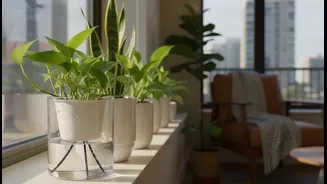
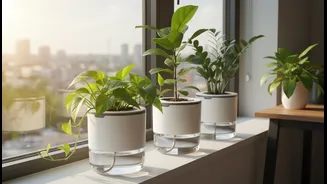
The easiest way to try this at home is with a simple wick system. You’ll need a water reservoir (a glass jar, vase, or bucket will do), your potted plant, and a wick. Absorbent materials like cotton rope, shoelaces, or strips of felt work well. First, thoroughly water your plant from the top. Then, carefully push one end of the wick several inches into the soil through a drainage hole or from the top, making sure it’s well-embedded near the roots. Place the other end of the wick into your reservoir filled with water. It helps to position the water reservoir so it's level with or slightly higher than the plant pot. The wick will draw water up to the soil as needed. You can test the system for a few days before a long trip to ensure it's working correctly.
Watering Multiple Plants: The Mat Method
If you have a collection of smaller plants, a capillary mat is an incredibly efficient solution. This method uses a special absorbent, rot-proof fabric. To set it up, place a waterproof tray on a level surface. Lay the capillary mat inside the tray. Create a wick with a strip of the same matting, letting one end rest under the main mat and the other dip into a nearby water reservoir, like a bucket or a sink filled with water. Thoroughly wet the entire mat to establish the capillary connection. Then, simply place your pots directly on top of the damp mat. Make sure the pots have bottom drainage holes that make good contact with the fabric. This setup allows you to water dozens of plants at once with minimal effort.
Not For Every Plant
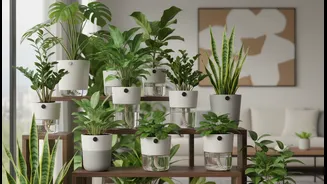
Capillary watering is ideal for plants that prefer consistently moist soil. Moisture-loving species like African violets, ferns, peace lilies, calatheas, and begonias thrive with this method. It's also excellent for seedlings, which can be very sensitive to drying out. However, this system is not suitable for all plants. Succulents, cacti, snake plants, and ZZ plants need their soil to dry out completely between waterings. Constant moisture for these species will almost certainly lead to root rot. Always research your specific plant's needs before putting it on a self-watering system.
What to Watch Out For
While capillary systems are highly effective, there are a few potential issues to keep in mind. The primary risk is overwatering if the system is used for plants that prefer drier conditions. Another potential problem is the buildup of mineral salts from tap water and fertilisers in the soil over time, as top-watering typically flushes these out. To prevent this, it's good practice to water your plants from the top every four to six weeks to leach any accumulated salts from the soil. Finally, ensure your water reservoir never runs dry, as this will break the capillary connection, requiring you to re-saturate the soil and wick from the top to get the system started again.