

Visby: The Hanseatic Jewel Box
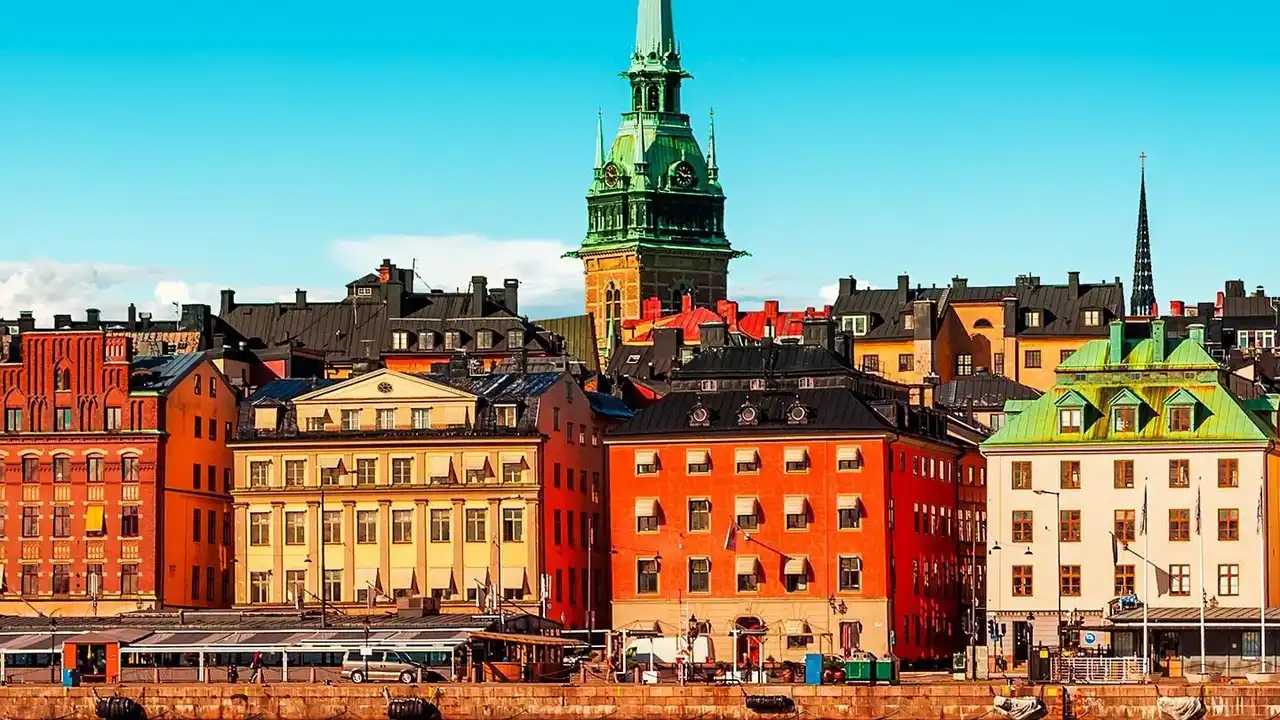
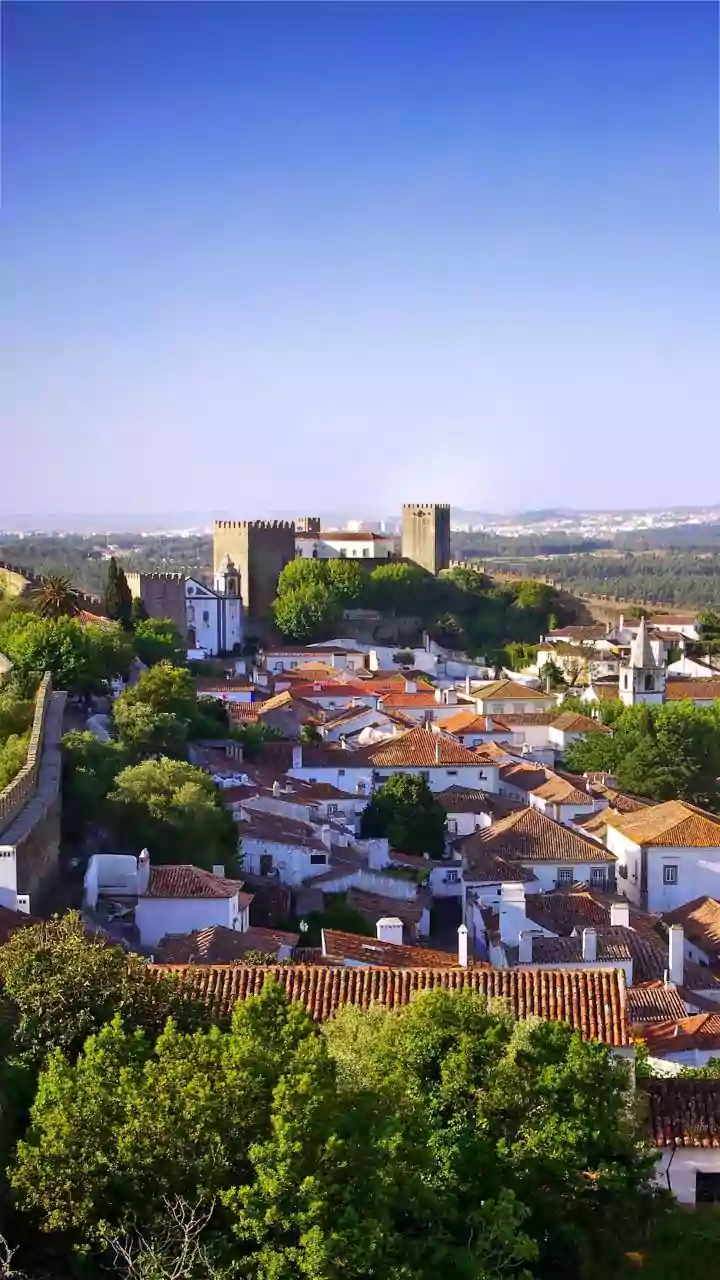
Often called the best-preserved medieval town in Scandinavia, Visby on the island of Gotland is a UNESCO World Heritage site for good reason. Its story is dominated by its time as a major hub for the Hanseatic League, a powerful mercantile guild that
controlled Baltic trade for centuries. This immense wealth funded the construction of its most iconic feature: the 'Ringmuren', a 3.5-kilometre-long stone city wall, punctuated by dramatic watchtowers, that still encircles the old town. Walking beneath its gates feels like stepping back to the 13th century. Inside the walls, a labyrinth of cobbled lanes winds past over 200 preserved stone buildings and merchant houses, many draped in roses, earning Visby the nickname 'the city of roses and ruins'. Adding to the atmosphere are the hauntingly beautiful skeletons of a dozen medieval churches, left roofless after the Reformation and the town's subsequent decline. Only St. Mary's Cathedral, originally built for German merchants and consecrated in 1225, remains fully intact, its dark towers a landmark against the sky.
Sigtuna: Sweden's Viking Age Cradle
A short journey from Stockholm lies Sigtuna, a town that proudly claims the title of Sweden's oldest. Founded around 980 AD on the shores of Lake Mälaren, it was a crucial royal, commercial, and religious centre long before Stockholm existed. Its Viking Age soul is most evident in the incredible number of rune stones scattered throughout the town—more than any other single place in Sweden. These stone markers, carved with intricate serpent patterns and Old Norse inscriptions, are not gravestones but memorials to fallen traders, warriors, and family members, acting as the oldest original documents in the Swedish language. You can follow a runestone walk to see them in their original context, near the ruins of early stone churches like St. Olof's and St. Lars. The main street, Stora Gatan, is believed to follow the same path as its 1,000-year-old predecessor, now lined with charming wooden houses, cafes, and shops, offering a serene contrast to its powerful past.
Ystad: Cobblestones and Coastal Charm
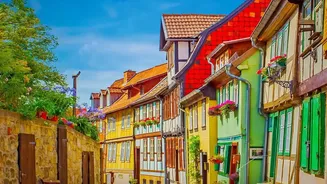
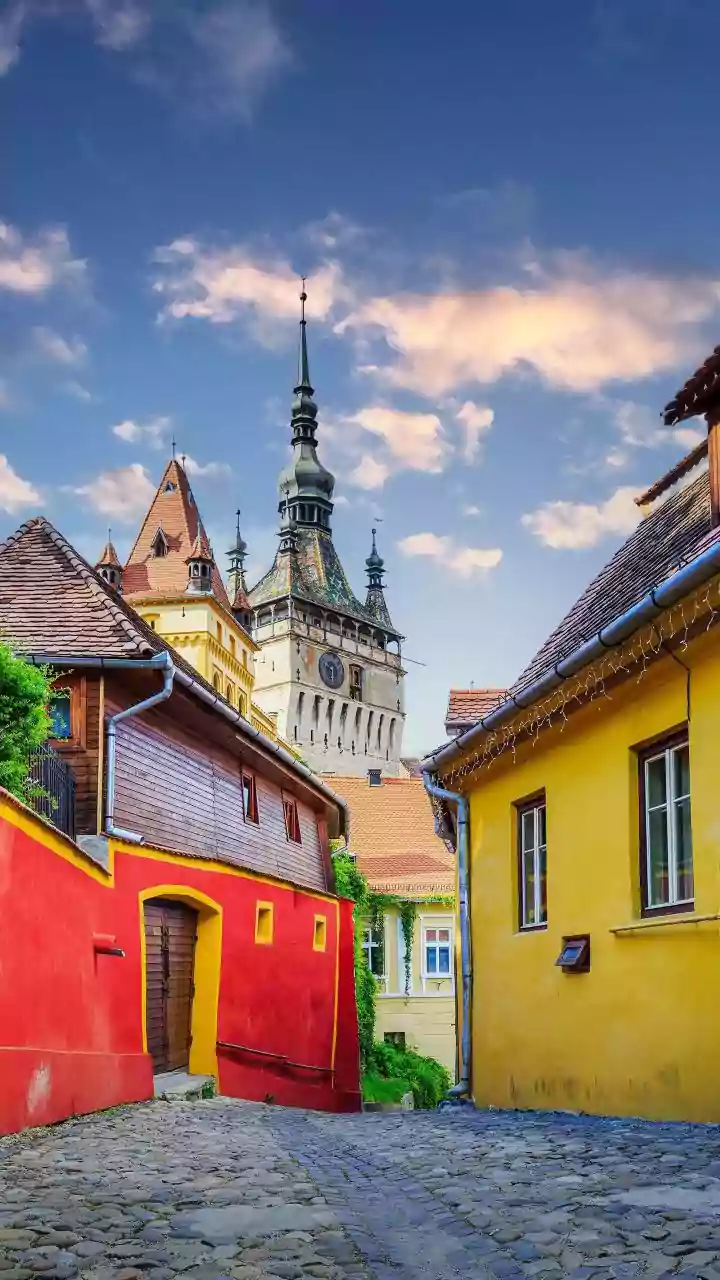
On the southern coast of Sweden, in the beautiful region of Skåne, Ystad offers a different flavour of medieval life. While it may be known internationally as the moody backdrop for the 'Wallander' crime novels, the town's real character lies in its exceptionally well-preserved town centre. Here, you’ll find over 300 half-timbered houses, their pastel-coloured facades leaning over narrow cobblestone streets in a picturesque jumble. It feels like walking through a storybook. Key historical landmarks include the impressive St. Mary's Church (Sankta Maria Kyrka), whose origins trace back to around 1200, and the Greyfriars Abbey, one of the best-preserved medieval monasteries in all of Sweden. Unlike the stone-built grandeur of Visby or the Viking gravitas of Sigtuna, Ystad’s charm is quieter and more domestic. It's the atmosphere of a prosperous medieval market town that has gently aged, where you can almost hear the echoes of merchants and craftsmen on its sun-dappled squares.
Lund: A Centre of Learning and Faith
Also in Skåne, Lund presents a unique blend of medieval ecclesiastical power and modern academic life. Founded around 990 when the region was part of Denmark, Lund quickly became the religious heart of Scandinavia. By 1103, it was designated the seat of the archbishop for all of the Nordic countries. At its peak, the city boasted an incredible 27 churches and monasteries, earning it the nickname 'Scandinavia's Rome'. The undisputed centerpiece is Lund Cathedral, a magnificent Romanesque structure consecrated in 1145. Its grand twin towers, imposing crypt, and astronomical clock are a testament to the city’s medieval importance. While the Reformation in 1536 led to the demolition of most of the city's other churches, the medieval street plan remains largely intact. The founding of Lund University in 1666 infused the ancient city with youthful energy, creating the vibrant contrast that defines it today: a place where students cycle past thousand-year-old structures on their way to class.