




The Effortless Magic of Mirrors
The secret to effortlessly brightening a room lies in one of the most classic decor items: the mirror. But this isn't about a small vanity mirror. The current trend involves using large-scale mirrors or a collection of smaller ones to strategically bounce
light around a room. Mirrors work by capturing and redistributing both natural and artificial light, effectively doubling the brightness and creating a sense of depth that can make even small spaces feel expansive. It's a designer's go-to trick because it offers maximum impact with minimal effort, transforming a room's entire atmosphere by manipulating light and perception.
Go Big with a Statement Mirror
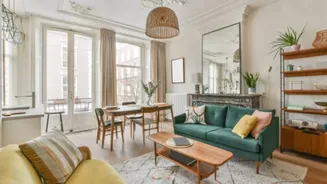
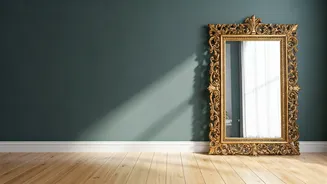
If you want to make a significant impact, the 'go big or go home' philosophy applies perfectly here. A single, oversized floor or wall mirror can serve as a stunning focal point while dramatically increasing the room's light levels. The most effective placement is directly opposite a window, which allows the mirror to capture the maximum amount of natural light and reflect it back into the space. This not only illuminates dark corners but also creates a 'second window' effect, reflecting the view outside and bringing a sense of the outdoors in. Don't have a window to work with? Placing a large mirror across from a doorway or a significant piece of art achieves a similar space-expanding effect.
The Art of the Mirror Cluster
For a more eclectic and curated look, consider creating a gallery wall of mirrors. This approach allows for more creativity and personalization. You can mix and match different shapes, sizes, and frame styles—from ornate vintage finds to sleek, modern designs—to create a feature that is uniquely yours. Grouping several smaller mirrors together still achieves the goal of reflecting light, but it also adds texture and character to your wall. To avoid a cluttered look, lay out your arrangement on the floor first. This allows you to play with the composition and ensure the final result feels balanced and intentional rather than chaotic. Designers suggest that an eclectic mix of frames often feels more stylish and less sterile than a rigid grid of matching ones.
Placement Is Everything
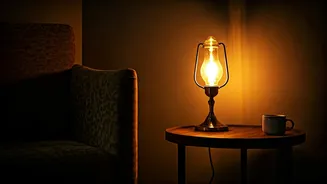
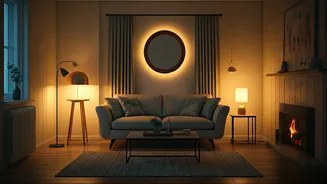
While placing a mirror opposite a window is the gold standard, there are other strategic spots that work wonders. Position a mirror adjacent to a window to catch oblique light and channel it into the room, which is especially effective for reducing shadows. Another powerful technique is to place a mirror behind a light source, like a table lamp or floor lamp. This essentially doubles the lamp's output, casting a warm, inviting glow and making the space feel cozier and brighter, particularly in the evening. Tall, lean mirrors are excellent for corners, which are often the darkest parts of a room; they can redirect light into these shadowy areas and create the illusion of higher ceilings.
Beyond the Looking Glass
The principle of reflection isn't limited to mirrors alone. To fully embrace this brightening trend, incorporate other reflective surfaces into your decor. Think lacquered furniture, high-gloss paint finishes, or metallic accessories. A mirrored tray on a coffee table, a collection of crystal photo frames, or a polished chrome floor lamp can all contribute to bouncing light around the room. Even materials like glass-topped tables or shiny ceramic vases play a role in creating a more luminous and dynamic environment. By layering these various reflective elements, you enhance the overall brightness and add a sophisticated, multi-dimensional quality to your space.