




Gaganyaan: India's Great Human Spaceflight Leap
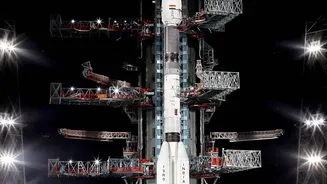
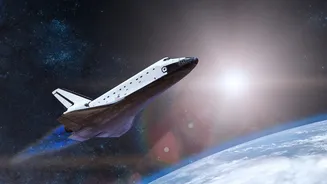
The centerpiece of ISRO's immediate future is the Gaganyaan mission, India's inaugural program to send its own astronauts into orbit. The goal is to launch a crew of three into a 400 km orbit for a three-day mission and return them safely to Earth. This
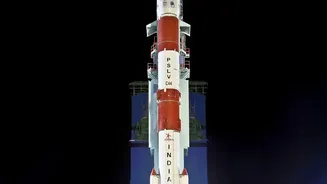
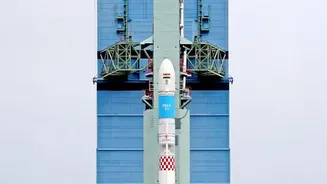
monumental undertaking involves the human-rated LVM3 rocket, a crew module with advanced life support systems, and a robust crew escape system. Extensive testing is underway to ensure the utmost safety of the astronauts, a quartet of distinguished Indian Air Force test pilots. While the final date for the crewed launch remains fluid, with safety being the absolute priority, several uncrewed test flights are planned first. The first major uncrewed flight, G1, is anticipated for late 2026 or early 2027. This will be followed by a second uncrewed mission, G2, which will carry a humanoid robot named Vyommitra to validate system performance before humans take the journey. Gaganyaan is more than a single mission; it's about establishing India as the fourth country in the world capable of independent human spaceflight.
Destination Venus: The Shukrayaan Mission
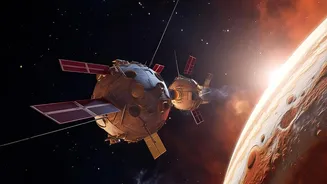
ISRO is also turning its attention to Earth's mysterious 'twin sister,' Venus. The planned Venus Orbiter Mission, unofficially known as Shukrayaan-1, received formal government approval in September 2024. The mission is scheduled to launch on March 29, 2028, aboard a powerful LVM3 rocket, embarking on a 112-day journey to reach Venus's orbit by July 19, 2028. The 2,500 kg orbiter will carry around 100 kg of scientific instruments, some developed in collaboration with international partners. Its primary objectives are to study the dense, toxic atmosphere of Venus, map its surface and subsurface, and understand why a planet so similar to Earth evolved so differently. A key instrument, a high-resolution synthetic aperture radar, will peer through the thick clouds to investigate signs of active volcanism and geological processes, providing unprecedented insights into the planet's secrets.
Our Martian Neighbour and a Future Home in Space
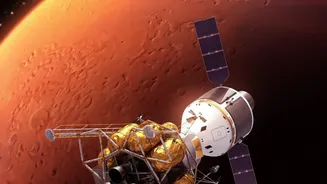
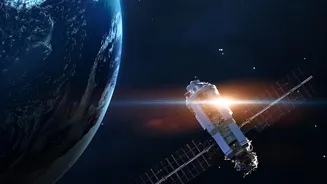
Following the spectacular success of the first Mars Orbiter Mission (Mangalyaan), ISRO is planning a more ambitious sequel. While early plans for Mangalyaan-2 have varied, recent reports suggest it could be an orbiter-only mission with highly sophisticated instruments, including a hyperspectral camera and a radar to better understand Martian geology and atmosphere. Some ambitious proposals have even included a lander, rover, and a helicopter-like drone to explore the Martian surface directly, which would mark a major leap in India's interplanetary capabilities. Looking further ahead, ISRO has laid out a roadmap that includes establishing the Bharatiya Antariksh Station (BAS), or Indian Space Station. This modular station is planned to be assembled in orbit, with the first module targeted for launch in 2028 and the station expected to be completed by 2035. Weighing around 52 tonnes, it would orbit at an altitude of about 400 km and host 3-4 astronauts for extended research in microgravity, cementing India's long-term presence in space.
Building the Future: Next-Gen Rockets and Satellites
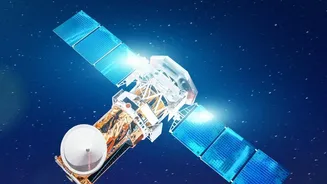
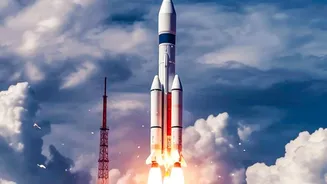
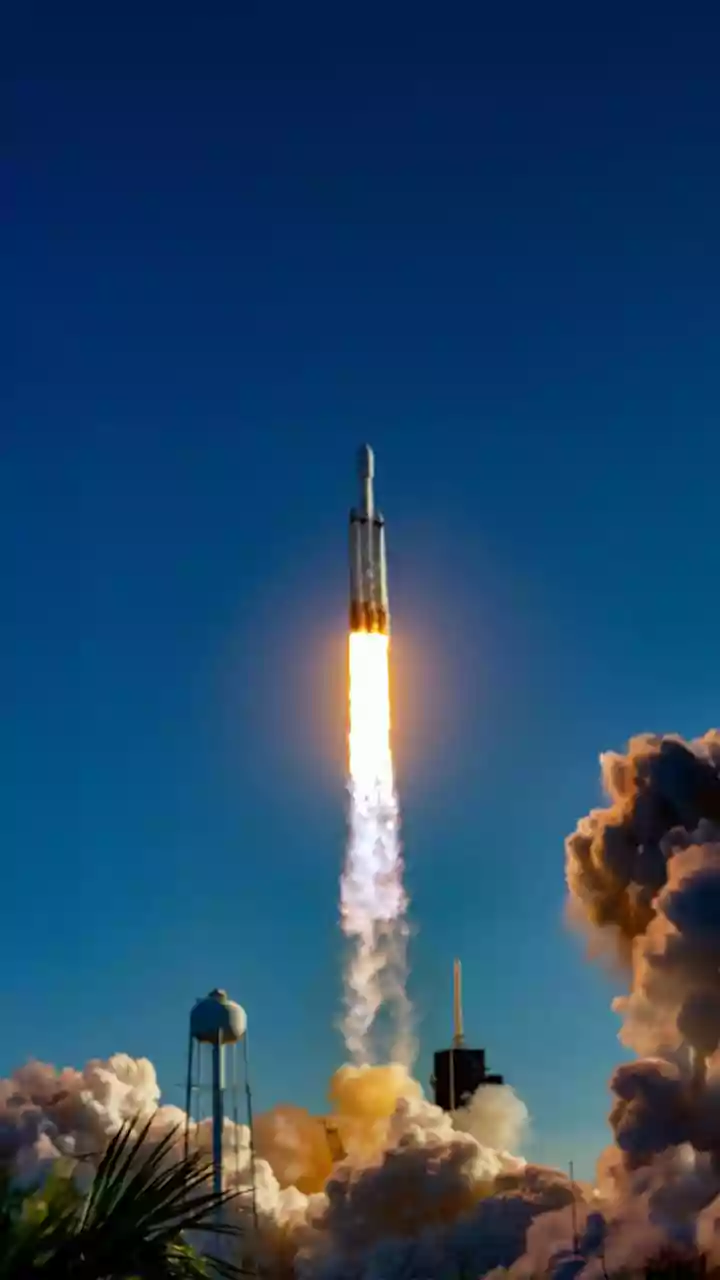
Underpinning all these ambitious goals is the development of next-generation launch capabilities. ISRO is actively working on a Next Generation Launch Vehicle (NGLV), a heavy-lift rocket designed to be partially reusable, significantly lowering the cost of access to space. Approved by the government in September 2024, this rocket will be crucial for launching heavy modules for the space station and for future deep-space missions, including a planned crewed lunar landing by 2040. The development of a powerful semi-cryogenic engine is a major milestone in this effort, paving the way for rockets with much higher payload capacities. In parallel, ISRO continues to launch a steady stream of advanced satellites for Earth observation, communications, and navigation, such as the GISAT and GSAT series, which are vital for disaster management, telecommunications, and national security.