





Start With an Honest Food Audit
Before you change your shopping habits, you need a clear picture of what you’re actually throwing away. For one week, keep a simple log of every food item that ends up in the bin. Note what it was, why it was tossed (spoiled, leftovers, etc.), and roughly
how much there was. You don't need a precise scale; estimating by volume is fine. This exercise isn't about guilt, but about gathering data. You might discover you consistently buy too much bread, that your family never eats leftovers from a particular dish, or that leafy greens are a recurring culprit. This knowledge is power, revealing the gap between the food you aspire to eat and the food you actually consume.
Plan Meals Around Your Real Life
Meal planning can feel like a chore, but a realistic approach makes all the difference. Instead of planning seven ambitious, from-scratch dinners, look at your week honestly. Which nights are you likely to be tired and short on time? Plan for quick meals or even planned leftovers on those days. Build your plan around ingredients you already have to ensure they get used up. A great strategy is to plan meals that build on one another. For instance, a whole roasted chicken one night can become chicken sandwich filler the next, and the carcass can be boiled for a simple soup base. This not only cuts down on waste but also reduces the mental load of deciding what to cook each day.
Shop with a Purpose, Not an Impulse
Once you have a plan, create a detailed shopping list and stick to it. Supermarkets are designed to encourage impulse buys, with deals and tempting displays at every turn. Over-purchasing is a primary driver of household food waste. Before you go, check your pantry, fridge, and freezer to see what you already have. At the store, resist the lure of 'buy-one-get-one-free' offers on perishable items unless you are certain you can use them before they spoil. For staples like grains and spices, buying from bulk bins can be a great way to purchase only the amount you need, reducing both packaging and food waste. And never shop when you're hungry; it's a proven recipe for buying more than you need.
Master Your Fridge and Freezer
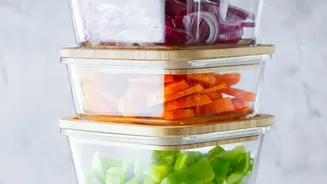
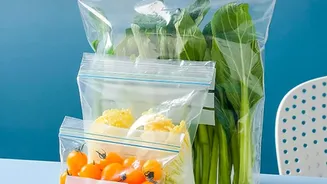
Proper storage is crucial to extending the life of your food. Store produce correctly to make it last; some vegetables need refrigeration, while others do better at room temperature. A simple but effective trick is to create an 'Eat Me First' box in your fridge. Place items that are nearing their expiry date or partially used vegetables in this prominent spot. This visual cue reminds you to use them up before they go bad. Your freezer is another powerful ally. Freezing is like a pause button for food. If you know you won't get to that extra loaf of bread, leftover dal, or browning bananas, freeze them. You can freeze chopped vegetables, portions of meat, and even milk to use later.
Get Creative with Leftovers and Scraps
Changing your mindset about leftovers can dramatically cut down on waste. Instead of seeing them as a sad repeat meal, view them as ingredients for a new dish. Leftover rice can be transformed into fried rice or patties. Extra cooked vegetables can be blended into a soup, added to an omelette, or mixed into a pasta sauce. Even vegetable scraps that you might normally throw away can have a second life. Onion peels, carrot ends, and celery tops can be collected in a bag in the freezer. Once you have enough, you can simmer them in water to create a flavourful homemade vegetable stock for free.