






The Hidden Costs of a Long Commute
On paper, moving to a distant suburb for a larger, cheaper house seems like a sound financial decision. However, the savings on rent or EMI can be quickly eroded by hidden costs. A recent government survey revealed that urban workers spend an average
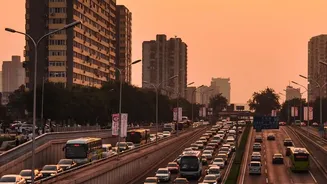
of ₹1,044 per month on commuting. For those travelling long distances, this figure can be significantly higher when factoring in fuel, vehicle maintenance, and potential toll charges. Beyond the direct financial drain, long commutes impose a heavy toll on mental and physical well-being. Studies have consistently linked prolonged daily travel to increased stress, anxiety, and fatigue, which can negatively impact both work performance and personal relationships. One commuter calculated that his three-hour daily journey added up to 32 days of his life spent in transit each year, a stark reminder that time is a non-refundable currency.
Reclaiming Your Time and Well-being
Choosing a smaller home closer to a metro or train station is not just about reducing travel time; it's about reclaiming your life. Those hours saved from being stuck in traffic can be reinvested into activities that genuinely enhance your quality of life: spending more time with family, pursuing a hobby, exercising, or simply getting more rest. This shift can lead to a significant improvement in work-life balance and overall happiness. Furthermore, relying on public transport encourages a more active lifestyle. The daily walk to and from the station provides consistent, low-impact physical activity. It also reduces the chronic stress associated with navigating congested roads, contributing to better mental health. In essence, a shorter, more predictable commute lays the foundation for a healthier, more balanced daily routine.
The Financial Equation Reimagined
While properties near major transport hubs in cities like Mumbai, Delhi, and Bengaluru often have a higher price per square foot, the overall financial picture can be surprisingly favourable. A smaller flat, despite its premium location, may have a lower total purchase price than a larger house in a far-flung suburb. This can result in a more manageable home loan. When you add the substantial monthly savings from reduced transport costs, the financial argument becomes even more compelling. Properties with good connectivity also tend to have higher rental demand and better resale value. This makes them a more stable and potentially lucrative longterm investment. Homebuyers and investors are increasingly prioritising infrastructure and connectivity, recognising that these factors drive future appreciation.
Embracing a Connected, Community_Centric Life
Living in a smaller space often encourages a 'less is more' philosophy, prompting a move towards minimalism and conscious consumption. With less home to maintain, residents may find themselves with more time and resources to engage with their surroundings. Proximity to transport hubs often means being closer to a vibrant mix of shops, restaurants, parks, and cultural venues. This fosters a more walkable and community_oriented lifestyle. Using public transport itself can increase social interaction and a sense of belonging. Instead of being isolated in a car, you are part of the city's daily rhythm. This greater connection to the community and easier access to amenities can lead to a more fulfilling and socially engaged life, proving that a home's value isn't just measured in square feet, but in the quality of life it enables.