



The Building Blocks of Fitness
Protein is the undisputed king of muscle repair and growth. But what is protein? It’s made up of smaller compounds called amino acids. There are 20 different amino acids, and our bodies need all of them to function correctly. Of these, nine are called 'essential'
amino acids. The term 'essential' means our bodies cannot produce them on their own; we must get them from the food we eat. These nine are histidine, isoleucine, leucine, lysine, methionine, phenylalanine, threonine, tryptophan, and valine. For active individuals, these amino acids are crucial for repairing muscle tissue that gets broken down during exercise, supporting immune function, and building lean mass.
The Plant Protein Puzzle
Animal-based foods like meat, eggs, and dairy are known as 'complete' proteins because they contain all nine essential amino acids in sufficient quantities. Many plant-based foods, however, are considered 'incomplete.' This doesn't mean they are bad protein sources; it simply means they are low in one or more of these essential amino acids. For example, most grains are quite low in the amino acid lysine. Legumes, on the other hand, tend to be low in the sulfur-containing amino acids, methionine and cysteine. This is where the concept of protein combining comes in, a nutritional strategy that involves pairing different plant foods to create a complete amino acid profile.
A Perfect Nutritional Partnership
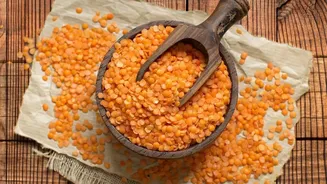
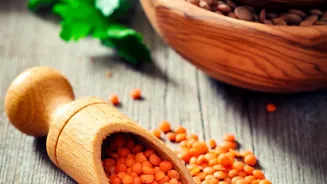
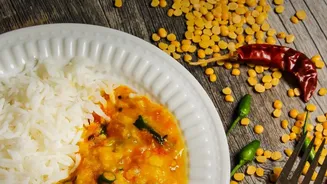
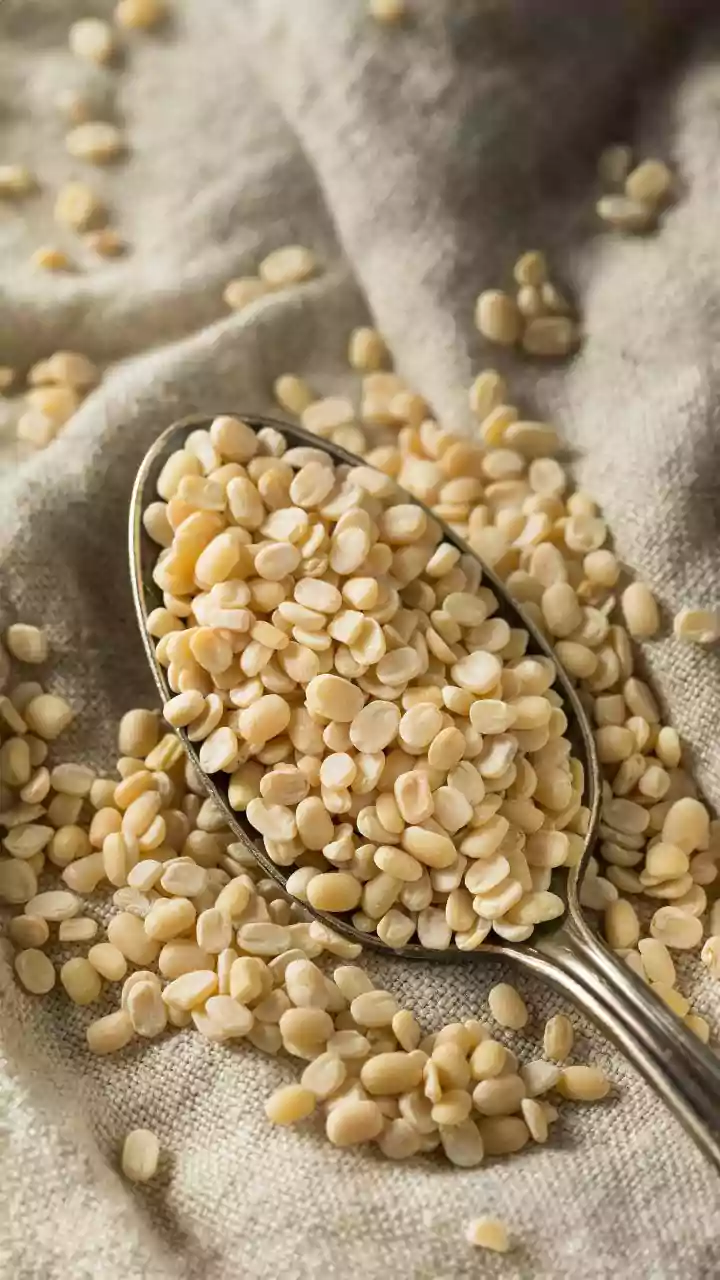
Rice and lentils are a classic example of nutritional synergy. What one lacks, the other provides. Rice, like other grains, has a lower lysine content but is a good source of methionine. Lentils (dal) are rich in lysine but have lower levels of methionine. When you eat them together, their amino acid profiles complement each other perfectly. The lysine from the lentils fills the gap in the rice, and the methionine from the rice compensates for the shortfall in the lentils. This combination creates a meal with a complete set of all nine essential amino acids, making it functionally equivalent to a complete protein source like meat or eggs. This isn't just theory; it's a partnership that has been a cornerstone of Indian cuisine for generations.
Khichdi: The Ultimate Fitness Food
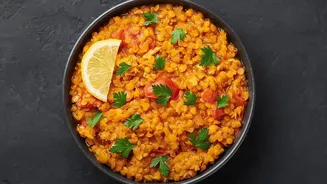
Think of the beloved Indian comfort food, khichdi. It’s not just a simple, digestible meal for when you’re feeling under the weather; it’s a nutritional powerhouse. Made from rice and lentils, it’s a perfect source of complete protein that can fuel muscle recovery and growth. But its benefits for fitness don’t stop there. This combination also provides complex carbohydrates from the rice for sustained energy release, which is vital for powering through workouts. It is also packed with dietary fibre, which aids digestion and promotes satiety, helping with weight management. The addition of turmeric, a common ingredient, offers anti-inflammatory benefits. It’s an ideal, balanced meal for post-workout recovery or as a staple in any vegetarian athlete's diet.
Do You Need to Combine at Every Meal?
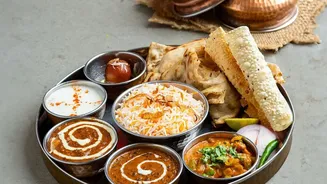
The idea of protein combining once led to the belief that vegetarians needed to meticulously pair foods at every single meal. However, modern nutritional science has updated this view. Research shows that the body maintains a pool of amino acids, so you don't necessarily need to eat complementary proteins in the same sitting. As long as you consume a varied diet of grains, legumes, nuts, and seeds throughout the day, your body can pull the necessary amino acids as needed. That said, combining them in a meal like rice and dal or rajma and roti is a simple and effective way to ensure you are consistently getting a complete amino acid profile, taking the guesswork out of your nutrition planning.