






The Old Rule of Thumb
Not long ago, you might have heard a single number for protein needs. The classic recommendation, or Recommended Dietary Allowance (RDA), was about 0.8 grams of protein per kilogram of body weight for a healthy, sedentary adult. For a person weighing
70 kilograms, that’s about 56 grams of protein daily. This baseline was established to prevent protein deficiency in the general population. While it’s a useful starting point, experts now view it as a minimum, not an optimal target for modern lifestyles. Many people in India, for instance, consume only 30-40g of protein daily, creating a significant gap between the minimum requirement and their actual intake.
Your Activity Level Changes Everything
The most significant factor influencing your protein needs is how active you are. The 0.8g/kg baseline is for sedentary individuals. As soon as you introduce regular exercise, the requirement goes up. An active adult who exercises a few times a week might need 1.2 to 1.6 g/kg to support muscle repair and function. For serious athletes, especially those focused on strength training, that number can climb to 2.2 g/kg. The extra protein is not just for building bigger muscles; it's essential for recovery, hormone production, and maintaining a healthy immune system when you're physically active.
The Age Factor: Needs Increase Over Time
It’s a common misconception that our protein needs decrease as we get older. The opposite is true. After the age of 50, our bodies become less efficient at using the protein we eat. This can lead to sarcopenia, the gradual loss of muscle mass and strength. To combat this, experts recommend that adults over 65 increase their intake to between 1.2 and 1.6 grams of protein per kilogram of body weight. This higher intake helps preserve muscle, maintain mobility, and support overall health and autonomy in later years. Spreading this protein intake across meals, with a target of around 30 grams per meal, seems to be most effective for older adults.
A Glimpse into the Future: Genes and Protein
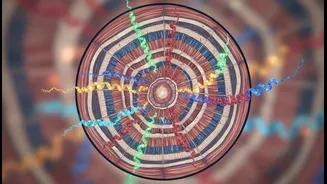
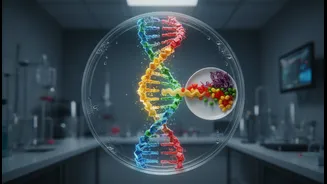
The next frontier of personalized nutrition lies within our DNA. The emerging field of nutritional genomics, which includes nutrigenomics and nutrigenetics, explores how our individual genetic makeup influences our response to nutrients. Research has shown that genetic variations can affect everything from appetite and food preferences to how efficiently we metabolize and use protein. For example, certain genetic markers may mean one person benefits more from a high-protein diet for fat loss than another. While this science is still developing, it points to a future where dietary recommendations could be tailored to your unique genetic blueprint.
Your Gut Microbiome Has a Say
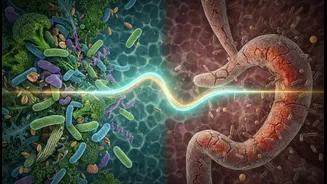
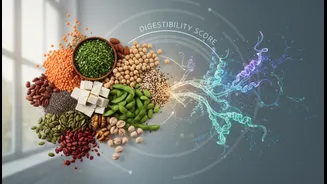
It’s not just about what you eat, but what your gut can do with it. Your gut microbiome, the vast community of bacteria living in your digestive tract, plays a crucial role in protein digestion and absorption. These microbes help break down protein that escapes digestion in the small intestine. The composition of your gut bacteria can influence whether dietary protein is turned into beneficial compounds or potentially harmful ones. A healthy, balanced microbiome may improve how well you absorb and utilize the protein you consume, adding another layer of personalization to your dietary needs.