






The New Face of Heritage Work
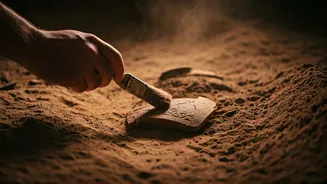
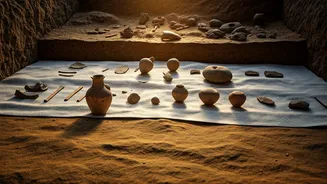
When you think of a career in heritage, the image of a lone archaeologist dusting off relics might come to mind. While archaeology remains a cornerstone, the field today is vastly more expansive and interdisciplinary. Modern heritage management is a rapidly
growing sector that involves the preservation, protection, and promotion of cultural assets—from grand monuments and historical sites to art, artefacts, and intangible traditions. This evolution is driven by a growing recognition that India's unparalleled heritage is not just a link to the past, but a vital tool for nation-building, cultural identity, and socio-economic development. Government initiatives, corporate social responsibility (CSR) programmes, and a boom in cultural tourism have created a professional ecosystem where passion for the past can translate into a viable and impactful career.
More Than Just Monuments
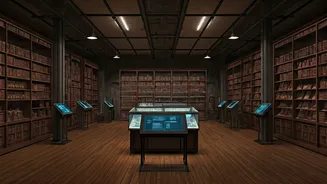
The career opportunities in today's heritage sector are diverse. Beyond traditional roles in the Archaeological Survey of India (ASI), professionals are needed across public and private organisations. You could work as a heritage manager, overseeing the conservation and strategic planning for a historic site. Or perhaps a museum curator, where you manage collections and create engaging exhibitions. The field also includes conservation scientists who analyze materials and develop preservation techniques, and architectural conservators focused on historic buildings. As tourism becomes more experience-focused, roles like heritage tourism consultant, cultural project manager, and heritage interpreter are in high demand. Other emerging careers include policy advisors who help shape conservation laws, digital archivists using technology to preserve records, and education coordinators who engage communities.
Skills for a Modern Historian
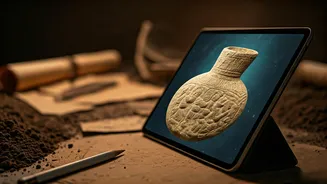
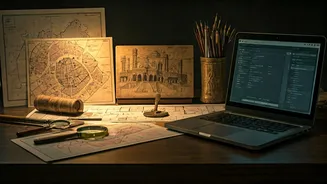
To thrive in this field, a blend of traditional knowledge and modern skills is essential. A strong foundation in history, archaeology, or art history is often the starting point. However, today's employers also look for expertise in project management, research, and communication. Financial acumen is also crucial for roles involving fundraising, budgeting, and securing grants. Critically, the sector is increasingly digital. Familiarity with technologies like GIS mapping for sites, 3D modelling for artefacts, collections management software, and digital media for promotion is becoming a standard requirement. Soft skills are equally important, including critical thinking, cultural sensitivity, and the ability to collaborate with diverse teams of architects, scientists, and community stakeholders.
The Path to a Heritage Career
The educational pathways into heritage work have become more defined. A bachelor's degree in a related field like history, archaeology, or architecture is a good start. Many professionals then pursue a master's degree to specialize. A number of Indian universities now offer postgraduate programmes in Heritage Management, Museology, Conservation, and Archaeology. Prominent institutions include Ahmedabad University, which is at the forefront with its unique Master's programme, the National Museum Institute in New Delhi, and Jamia Millia Islamia. For those looking to enter the field, internships and volunteer work at museums, heritage sites, or organisations like INTACH (Indian National Trust for Art and Cultural Heritage) are invaluable for gaining hands-on experience.
A Career with Impact
The growth in heritage careers is supported by both government action and private sector involvement. Government schemes and initiatives from the Ministry of Culture provide a framework and funding for conservation, while projects like 'Adopt a Heritage' invite companies and NGOs to become 'Monument Friends', helping maintain sites. This collaboration is creating a more robust job market and ensuring that heritage preservation is a shared responsibility. A career in heritage management offers more than a salary; it provides an opportunity to safeguard India's cultural legacy for future generations. It is a field where you can contribute to sustainable tourism, educate the public, generate local employment, and ensure that the stories of the past continue to enrich the present.