




The Myth of Perfect Timing
For years, the Indian travel calendar has been predictable. April and May are for escaping the city’s searing heat, leading to a frantic scramble for hill station bookings. October to February is peak season, when pleasant weather brings overwhelming
crowds and inflated prices to popular spots. This leaves a massive, often-ignored window: the monsoon. The period from June to September has long been considered the 'off-season', a time to stay home and avoid the rain. But a growing number of savvy travellers are realising this is a misconception. The real 'weather relief' isn't found by joining the hordes in a crowded hill station in May, but by embracing the dramatic, cooler, and greener landscapes of a country refreshed by rain.
The Case for a Monsoon Escape
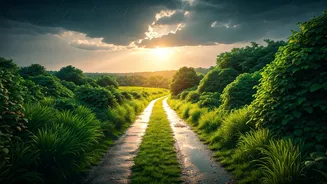
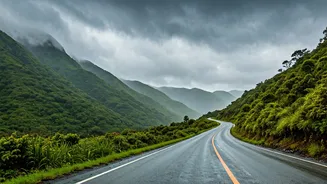
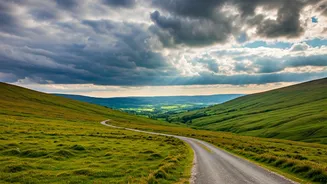
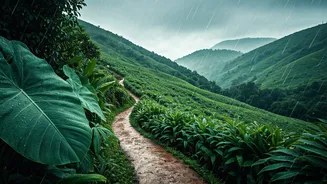
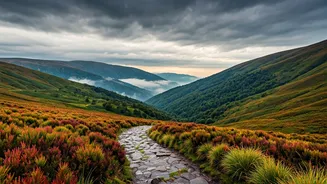
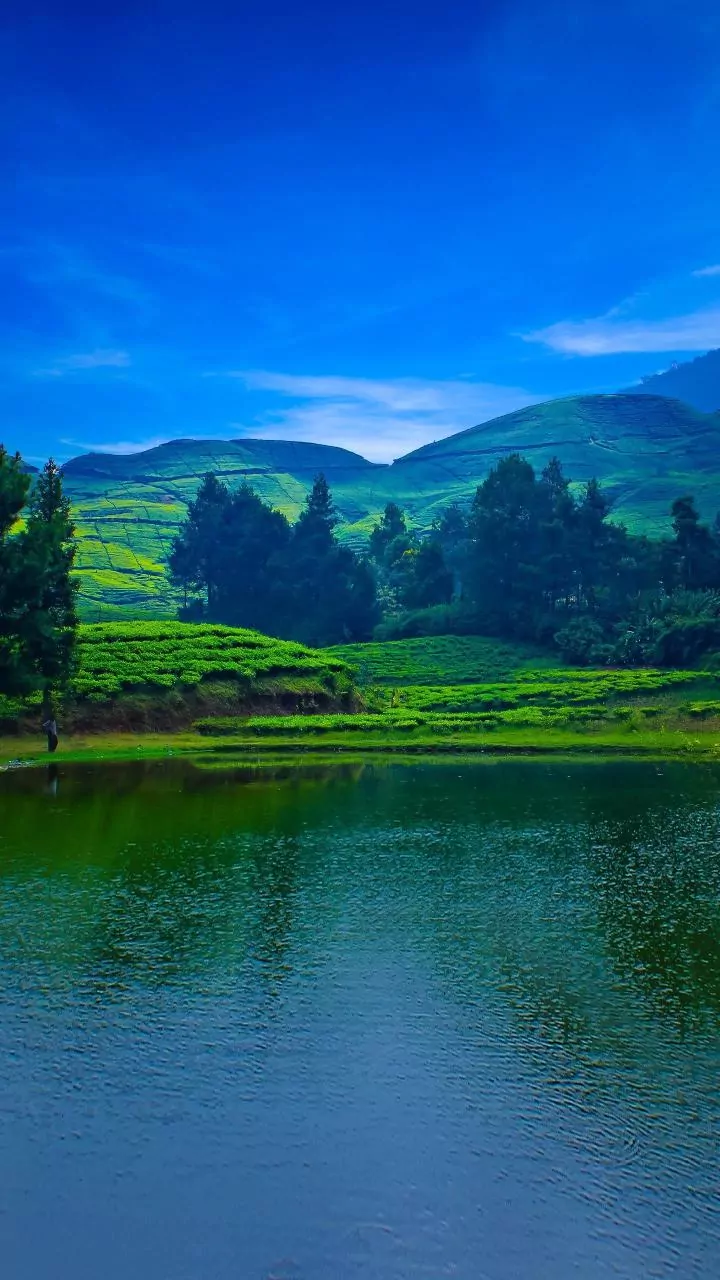
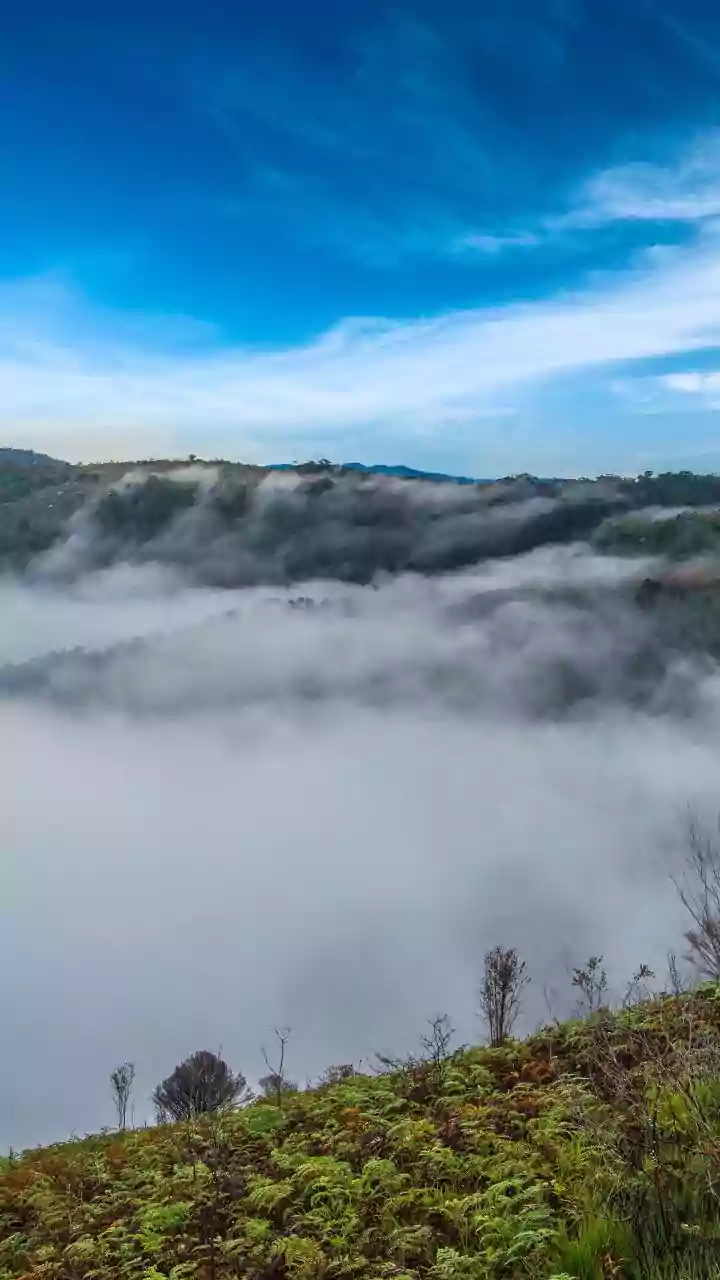
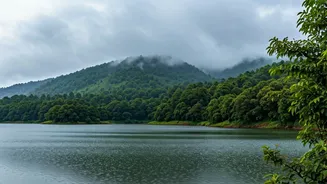
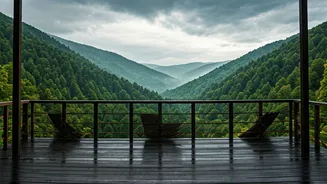
Travelling during the monsoon, between June and September, isn't about sitting indoors watching the rain. It’s about experiencing India at its most alive and atmospheric. The most immediate benefit is the drop in temperature and the end of the pre-monsoon heatwave. Landscapes that were dry and dusty in summer are transformed into vibrant, lush green panoramas. Waterfalls, often just a trickle at other times, become powerful, thundering spectacles in places like the Western Ghats. This is the season when destinations like Coorg, Munnar, and Wayanad are at their most picturesque, with mist rolling through tea and coffee plantations. Even the deserts of Rajasthan get a green makeover, offering a unique and romantic travel window.
Where to Find Your Weather Relief
Choosing the right destination is key. The Western Ghats are a prime monsoon choice, with hill stations like Lonavala, Mahabaleshwar, and Munnar offering misty vistas and overflowing waterfalls. Kerala, particularly in places like Wayanad and Alleppey, becomes a lush paradise, and the season is considered the best time for Ayurvedic treatments. For those seeking adventure without the downpour, regions like Ladakh and Spiti Valley are ideal, as they sit in a rain shadow area, offering clear skies while the rest of the country experiences monsoon. Meghalaya, one of the wettest places on Earth, becomes a dramatic showcase of living root bridges and staggering waterfalls. Even popular spots like Goa offer a different charm—quieter, greener, and more relaxed than its busy party season.
The Practical Perks: Fewer Crowds, Lower Costs
Beyond the aesthetic and climatic advantages, travelling during the monsoon is simply smarter from a practical standpoint. With fewer tourists, iconic monuments and popular viewpoints are far less crowded, allowing for a more authentic and relaxed experience. Imagine seeing the Taj Mahal without jostling for a photo or exploring a fort in Rajasthan at your own pace. This downturn in tourism also translates to significant savings. Airlines and hotels, including luxury properties, often slash their rates to attract visitors. This makes it possible to stay in premium accommodation for a fraction of the peak-season cost, offering better value for your money. You also have more flexibility, with less need to book everything months in advance.