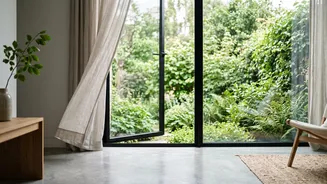







Winter in India often means cosy evenings at home, but it also brings a rise in respiratory troubles. With windows shut tight against the cold, indoor air quality can plummet, trapping pollutants and straining our lungs more than we realise.
Why Indoor Air Worsens in Winter
As temperatures
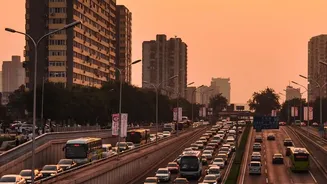
drop, we naturally spend more time indoors and keep windows and doors sealed to conserve heat. While this keeps us warm, it severely reduces ventilation. This lack of fresh air circulation allows pollutants to build up inside our homes. Outdoor pollution, which spikes in many Indian cities during winter due to factors like stubble burning, festive fireworks, and increased emissions, easily infiltrates our living spaces and gets trapped. Studies have shown that indoor air can become significantly more polluted than the air outside during these months, creating a hazardous environment for our respiratory systems. This is especially concerning for vulnerable groups like children, the elderly, and those with pre-existing health conditions.
The Invisible Culprits in Your Home
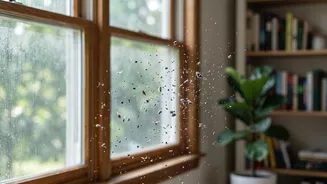
The air inside our homes is a complex mixture of particles and gases from both indoor and outdoor sources. The most dangerous are the fine particulate matter known as PM2.5, which are tiny enough to penetrate deep into the lungs and even enter the bloodstream. Other common indoor pollutants include dust mites, pet dander, mould spores, and pollen. Furthermore, everyday activities and items contribute to the problem. Cooking, especially frying, releases particles and smoke. Cleaning products, paints, new furniture, and air fresheners can emit Volatile Organic Compounds (VOCs), which are gases that can cause headaches, dizziness, and long-term health issues.
How Air Filtration Systems Work
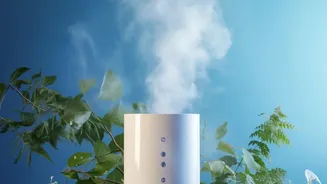
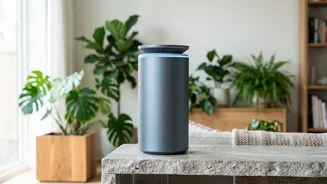
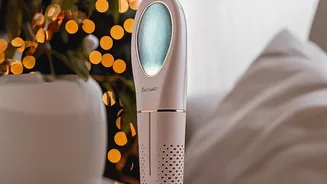
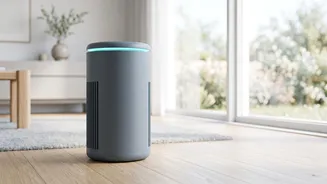
An indoor air filtration system, commonly known as an air purifier, is a device designed to clean the air in a room. Its operation is straightforward: a fan draws in the surrounding air and forces it through a series of filters. These filters are designed to capture and trap pollutants. Once the air is cleaned, it is circulated back into the room. This process repeats several times an hour, gradually reducing the concentration of harmful particles and improving the overall air quality. The effectiveness of an air purifier depends largely on the quality of its filters and the power of its fan to circulate a sufficient volume of air for the room size.
The Power of HEPA Filtration
The most effective and widely recognised standard for air purification is the HEPA, or High-Efficiency Particulate Air, filter. A true HEPA filter is certified to capture at least 99.97% of airborne particles as small as 0.3 microns. This includes the vast majority of dust, pollen, pet dander, mould spores, and even some bacteria and viruses. By physically trapping these microscopic irritants, HEPA filters remove them from the air you breathe. For tackling gaseous pollutants like VOCs and odours from cooking or smoke, many purifiers also include an activated carbon filter. This type of filter uses porous carbon to absorb chemicals and smells that HEPA filters cannot trap.
Easing the Strain on Your Lungs
By systematically removing irritants and allergens from your indoor environment, air filtration systems directly reduce the burden on your respiratory system. For individuals with asthma, allergies, or other chronic respiratory conditions, this can mean a significant reduction in symptoms. Fewer airborne triggers like dust mites and pet dander lead to fewer allergic reactions and asthma attacks. Even for healthy individuals, breathing cleaner air reduces the constant lowlevel inflammation caused by pollutants like PM2.5, leading to less coughing, throat irritation, and general discomfort. Essentially, an air purifier creates a personal clean air zone, providing your lungs with a muchneeded respite, particularly while you sleep.
A Key Part of a Healthier Home
While a highquality air filtration system is a powerful tool, it works best as part of a comprehensive approach to improving indoor air. Simple habits can make a big difference. When outdoor air quality permits, ventilate your home by opening windows for short periods. Use exhaust fans in kitchens and bathrooms to remove moisture and cooking fumes at the source. Regular cleaning, including dusting with a damp cloth and vacuuming, helps reduce the accumulation of allergens. An air purifier then acts as a constant guardian, capturing the airborne particles that these other methods miss and ensuring the air you breathe is as clean as possible.