

The Peak of 1980 and the Long Winter
One of the most dramatic periods in modern gold history was the run-up to January 1980. Fueled by double-digit inflation, the Soviet invasion of Afghanistan, and the Iranian hostage crisis, investors panicked and sought refuge in hard assets. Gold prices
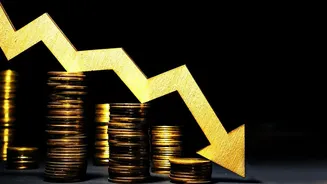
surged to a then-record high of around $850 per ounce. What followed, however, was not a stable plateau but a brutal and prolonged bear market. As the US Federal Reserve under Paul Volcker aggressively raised interest rates to combat inflation, the appeal of non-yielding gold plummeted. The price entered a long decline, eventually bottoming out near $250 in 1999. It took nearly 28 years, until January 2008, for gold to nominally surpass its 1980 peak, illustrating just how long a recovery can take.
A New Bull Market for a New Century
After two decades in the wilderness, gold began a new major bull cycle in the early 2000s. This rally was initially sparked by the dot-com bust and the uncertainty following the 9/11 attacks. The momentum accelerated dramatically after the 2008 Global Financial Crisis. As central banks around the world, led by the US Federal Reserve, unleashed unprecedented monetary stimulus and cut interest rates to zero, investors once again feared currency debasement and sought safety. This environment propelled gold on a historic run, from a low of around $250 in 1999 to a peak of over $1,900 in September 2011.
The 2011 Peak and Another Multi-Year Slump
Much like the 1980 peak, the 2011 high was followed by a punishing correction. After peaking at over $1,900 per ounce, the price entered a bear market that lasted for years. As the immediate fears of a global financial collapse subsided and the US dollar began to strengthen, investors rotated out of gold. The price eventually fell by over 40%, hitting a low near $1,050 in late 2015. The recovery from this downturn was another long and gradual process. It wasn't until the global economic uncertainty and monetary stimulus of 2020 that gold prices finally and decisively broke past their 2011 highs, a recovery that took almost nine years.
The Key Lessons from History
Looking at these cycles reveals a clear pattern. Gold's most powerful rallies are often driven by fear: high inflation, geopolitical crises, and a loss of faith in traditional financial systems. Conversely, its deepest downturns are frequently caused by rising real interest rates, which increase the 'opportunity cost' of holding a non-yielding asset like gold. The key takeaway for investors is that while gold can serve as a portfolio diversifier, its cycles are long. The recoveries from major peaks in 1980 and 2011 were not swift, V-shaped rebounds. Instead, they were drawn-out affairs that tested the patience of even the most committed investors, often taking the better part of a decade or more to reclaim previous highs.