





A New Bride in a New World
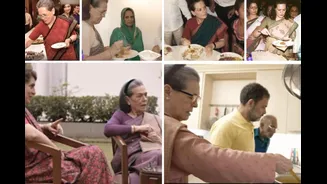
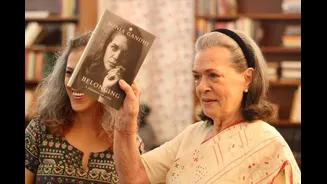
When a young Antonia Maino from Italy married into India’s most prominent political dynasty, the transition was about more than just a new name and a new home. As Sonia Gandhi, she found herself at 10, Janpath, the bustling nerve centre of Indian politics,
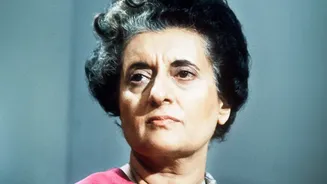
navigating a world that was culturally worlds apart from her own. While the challenges were many, one of the most immediate and personal was the food. The rich, complex, and often fiery flavours of Indian cuisine were a shock to her palate, a daily reminder of how far from home she was. In those early days, feeling overwhelmed and out of place was a quiet struggle, one that did not go unnoticed by her formidable mother-in-law, then Prime Minister Indira Gandhi.
A Gesture from the Kitchen
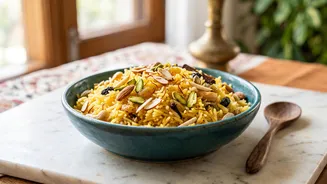
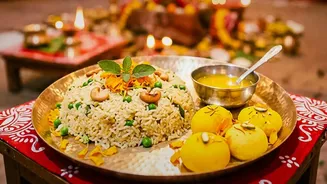
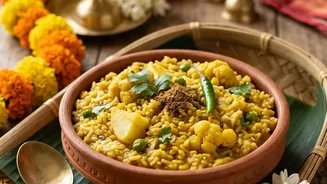
Observing her new daughter-in-law’s difficulty adjusting to the spice and intensity of the household’s meals, Indira Gandhi decided to take matters into her own hands. In an act of quiet compassion, she stepped into the kitchen herself. She wasn't there to instruct the cooks or oversee a grand meal, but to prepare a single, simple dish with her own hands, specifically for Sonia. The dish she chose was Kashmiri Tehri, a fragrant, sweet, and comforting rice preparation. It was a meal devoid of the fiery chillies and overpowering masalas that Sonia was struggling with. This personal gesture, coming from a woman who managed the affairs of a nation, was a profound statement of welcome and care.
The Comfort of Kashmiri Tehri
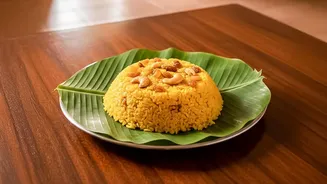
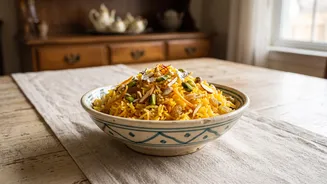
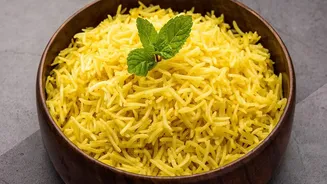
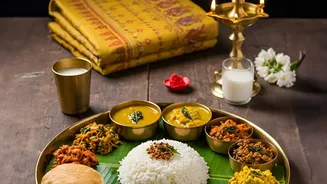
Kashmiri Tehri, also known as 'yellow rice', is a beautifully simple dish. Typically made with basmati rice, turmeric, a hint of saffron, and sometimes lightly sweetened or cooked with mild vegetables, it stands in stark contrast to its spicier Awadhi or Hyderabadi counterparts. The choice was significant. By preparing this particular dish, Indira Gandhi was not just offering food; she was offering comfort. The mildness was a balm, the warmth a hug in a bowl. It was a dish that said, 'I see you, and I will meet you where you are'. For Sonia, that bowl of Tehri was more than just sustenance; it was her first real taste of belonging in her new family.
A Delicious Legacy is Born
That single act of culinary kindness resonated deeply. The Kashmiri sweet rice, cooked by Indira Gandhi on that memorable day, quickly transformed from a thoughtful meal into a cherished family tradition. It became a staple in the Gandhi household, a comfort food that held within its grains the story of a mother-in law's love and a daughter's integration into the family. Sonia Gandhi has shared how this dish became an enduring favourite, a recipe passed down and a memory fondly recalled. It serves as a reminder that family legacies are not just built on grand achievements but are also woven from small, intimate moments of connection and empathy.
When Food Is the Universal Language
This anecdote, shared by Sonia Gandhi, beautifully illustrates a universal truth: food is a love language that transcends cultural and linguistic barriers. In the complex world of the Gandhi family, where politics and public duty often overshadowed personal life, the kitchen became a sanctuary of connection. Indira Gandhi’s Tehri was not merely a recipe; it was a bridge between two worlds, a quiet act of diplomacy performed not in a stately office but over a stove. It proved that sometimes the most effective way to welcome someone into your life is to share a piece of your culture in its simplest, most digestible form, ensuring they feel nourished in body and spirit.