




What Exactly Are Microplastics?
Microplastics are tiny plastic particles, typically defined as being smaller than five millimetres. They aren't a single type of material but a mix of different polymers like polyethylene (PE) and polypropylene (PP). They come from two main sources: primary
microplastics, which are tiny beads manufactured for use in products like cosmetics, and secondary microplastics, which form when larger plastic items—like bags, bottles, and packaging—break down in the environment from sunlight and physical wear. Because plastic doesn't truly biodegrade, these particles accumulate in our oceans, soil, and air, becoming an unavoidable part of the environment.
How Do They Get Into Our Food?
Microplastics enter the food chain through several pathways. In the marine environment, fish and shellfish can ingest them, meaning they end up on our plates when we eat seafood. On land, agricultural soil can be contaminated through plastic mulching or contaminated irrigation water, allowing crops like fruits and vegetables to absorb microplastics through their roots. Recent Indian studies have confirmed the presence of microplastics in staple items like salt and sugar, with processed and packaged products often showing higher concentrations. Food processing and packaging itself are also sources, as particles can transfer from containers, especially when food is heated in plastic.
The Big Question: What Are the Health Risks?
This is where the science is still developing, and it's important to separate confirmed facts from speculation. According to major health bodies like the World Health Organization (WHO) and the US FDA, current evidence does not demonstrate that the levels of microplastics found in food pose a risk to human health. However, research is ongoing. Scientists are concerned about the long-term effects of chronic exposure. Lab and animal studies suggest potential for gut inflammation and disruption of the microbiome. A primary concern is that microplastics can act as carriers for other harmful chemicals, like pesticides or industrial pollutants, that stick to their surface. The Food Safety and Standards Authority of India (FSSAI) has initiated a project to better understand contamination levels and exposure specific to the Indian population.
Practical Steps to Reduce Your Exposure
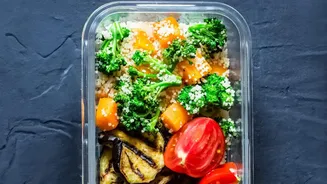
While you can't eliminate exposure completely, simple, practical choices can significantly reduce it. One of the most effective steps is to avoid heating food in plastic containers. Transfer food to glass or ceramic dishes before microwaving. Opt for fresh, unpackaged foods over highly processed and packaged ones where possible. Studies have found that bottled water can contain a high number of particles, so drinking filtered tap water from a glass or stainless steel bottle is a better alternative. Since plastic tea bags can release particles when steeped in hot water, consider switching to loose-leaf tea or brands that use paper-only bags. Similarly, using a non-plastic cutting board can help, as plastic boards can shed particles into your food.