

The Social Energy of Group Dance
A group dance class is an exercise in outward connection. Whether it’s a high-energy Zumba session, a coordinated ballroom class, or a structured ballet routine, the focus is often on synchronicity and interaction. The energy is palpable—a shared rhythm,
laughter, and the collective effort of learning choreography create a strong, visible bond. Making new friends is a natural byproduct of this environment. Dance is inherently social; it’s a fun hobby that promotes relaxation through shared activity and has been shown to lower stress and release mood-lifting endorphins. This connection is external and expressive. You communicate with your body, respond to partners and the group, and share in a collective performance, however informal. The group’s energy fuels your own, making it an ideal setting for those who thrive on social interaction and external motivation.
The Quiet Connection of Group Yoga
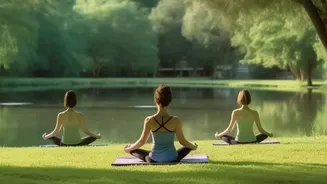
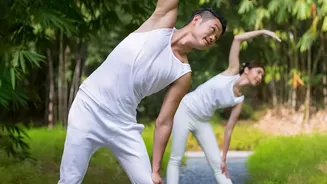
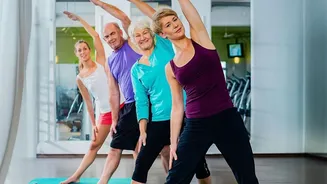
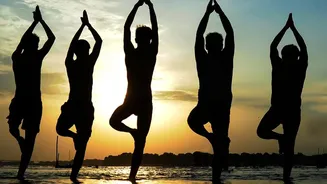
A yoga class cultivates a different kind of community. While you are in a room with others, the primary focus is internal. The connection isn't built on conversation or direct interaction but on shared intention and collective stillness. It's the quiet hum of synchronised breathing and the powerful feeling of moving through poses together that forges a bond. This creates a sense of belonging and mutual support without the need for words. The community aspect provides accountability and motivation, encouraging you to show up and stay consistent. It’s a space where you feel the presence of others as a supportive framework for your own personal journey. The energy is less about external performance and more about creating a safe, collective space for introspection. This environment is perfect for individuals seeking a sense of community that respects personal space and quiet contemplation.
The Expressive Freedom of Solo Dance
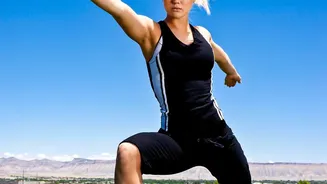
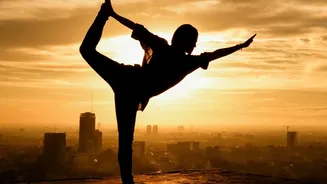
Practicing dance alone is an act of liberation and self-expression. It’s a space to move without inhibition, to connect with music on a personal level, and to explore your own physical and emotional landscape. Solo practice is crucial for technical development, allowing a dancer to refine footwork, improve balance, and master challenging moves without the pressure of group coordination. It builds confidence and self-reliance. Even for partner dances, solo drills are essential for developing strength and coordination, making you a stronger, more confident partner when you do dance with others. But beyond technique, dancing alone is a powerful form of self-care. It can be a joyful, stress-relieving activity that allows you to release pent-up emotions and simply enjoy the sensation of moving your body freely.
The Introspective Journey of Solo Yoga
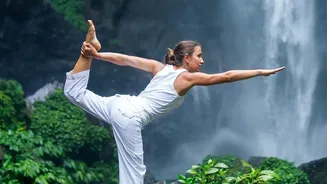
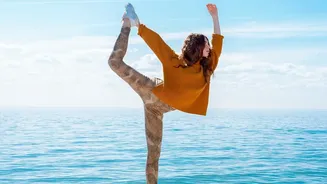
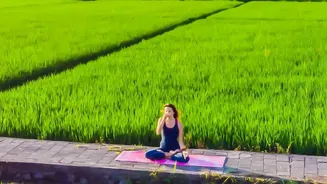
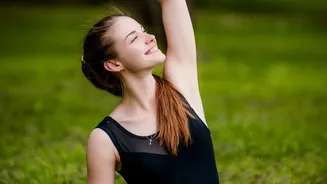
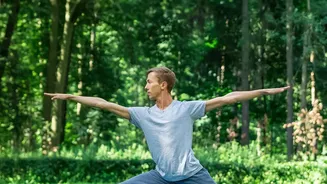
A solo yoga practice is a deep dive into self-awareness. When you practice alone, you are your own guide, learning to listen to your body’s unique needs and rhythms. You can hold a pose longer, explore modifications without external pressure, and truly connect your breath to your movement at your own pace. This self-guided journey fosters a profound sense of inner knowledge and ease. While a group class offers structure, a home practice cultivates discipline and a deeper understanding of yoga's philosophies. It’s a time for quiet reflection, where the practice becomes a moving meditation aimed at calming the mind, improving focus, and enhancing emotional balance. For many, this introspective path is where the most significant personal transformations happen, turning the physical practice into a holistic tool for mental and spiritual well-being.
Which Practice is Right for You?
Choosing between yoga and dance often comes down to your personality and what you need from a practice. If you are energised by social interaction and are looking for a community built on shared laughter, high energy, and external expression, a group dance class may be a perfect fit. The connection is immediate and vibrant. Conversely, if you seek a quieter, more introspective community that provides support while honouring personal space, a group yoga class offers a unique sense of shared purpose and peace.When it comes to solo practice, the distinction is just as clear. Solo dance is often about uninhibited expression, technical mastery, and emotional release through movement. Solo yoga is a journey inward, focused on self-discovery, mindfulness, and creating a deep mind-body connection. Both paths offer immense rewards; one turns energy outward, while the other draws it in.