



Choose Your Hair Tie Wisely
The first step to a comfortable hairstyle is ditching the wrong tools. Traditional elastic bands with metal clasps are notorious for snagging and breaking hair. Rubber bands are even worse, as their texture can grip and rip strands. Instead, upgrade your
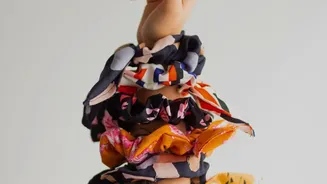
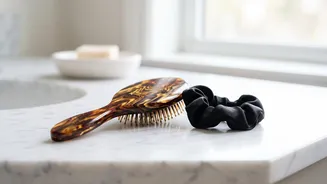
arsenal with gentler alternatives. Spiral coil ties, often made of smooth plastic, distribute pressure evenly and are less likely to leave dents or cause headaches. For an even softer touch, opt for scrunchies made of silk or satin. These fabrics reduce friction, which is especially beneficial for fragile, colour-treated, or curly hair. Wide, seamless fabric elastics are another excellent choice, as they spread tension over a larger area, preventing the concentrated pressure that leads to damage.
Master the Art of the Gentle Tie
How you tie your hair is just as important as what you use. Avoid wrapping the tie too many times; it should be secure, but not painfully tight. A major mistake is tying up wet hair. Hair is most fragile and stretches more when damp, making it highly susceptible to breakage from a tight ponytail. To remove a hair tie, always slide it out gently or unwind it, rather than yanking it out in one motion. If you feel any snagging, stop and carefully untangle the strands. For overnight protection, consider the 'pineapple method'—a very loose, high ponytail on top of your head secured with a silk scrunchie to prevent tangles and preserve your style without stress.
Vary Your Hairstyle and Position
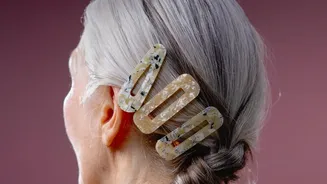
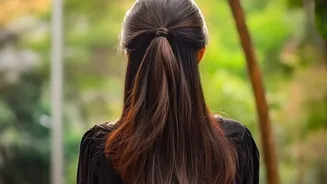
Wearing the same tight ponytail every day puts continuous stress on the same group of hair follicles, which can lead to a type of hair loss called traction alopecia. To prevent this, it's crucial to change the position of your ponytail regularly. Alternate between high, mid-height, and low styles to give different parts of your scalp a rest. Low styles like a loose bun or a ponytail at the nape of the neck are generally more comfortable as they don't fight against gravity and place less strain on your hairline. Don’t be afraid to mix it up with entirely different hairstyles, such as loose braids or using claw clips, which offer a secure hold without the concentrated tension of an elastic.
Comfortable Styles for Long Hair
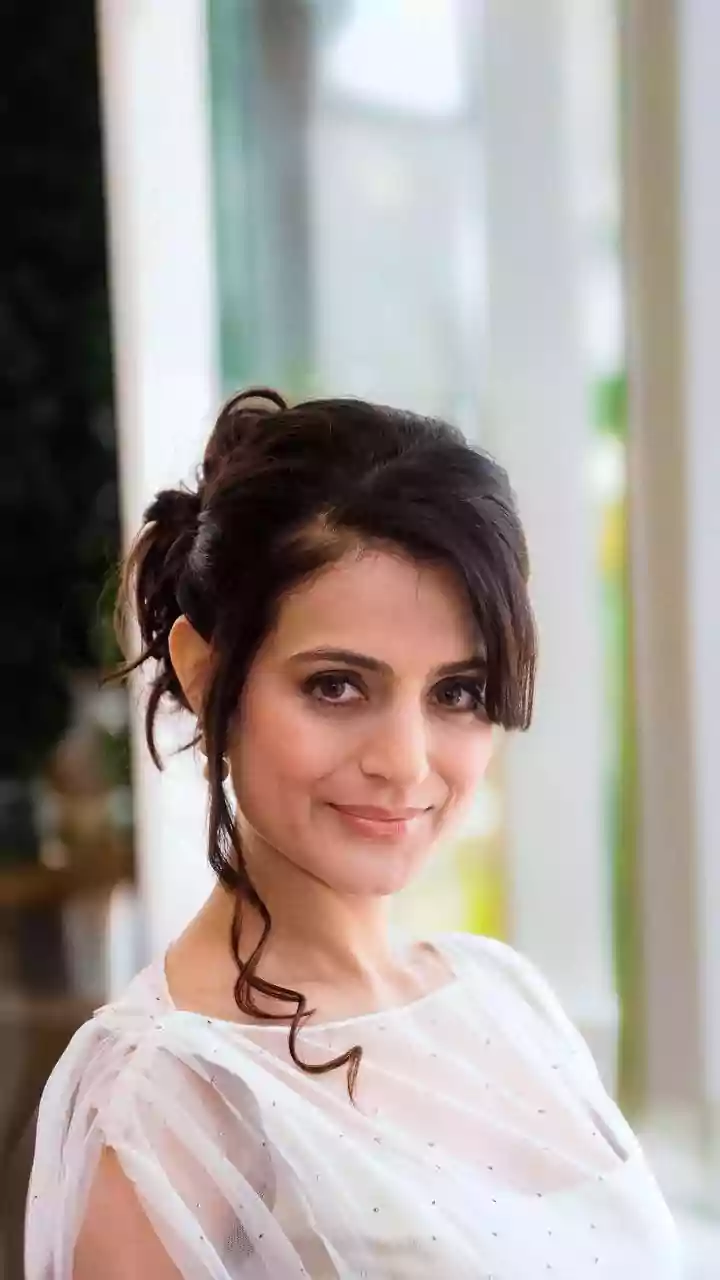
You don’t have to sacrifice style for comfort. A low, loose braid is a classic option that keeps hair contained without pulling. Similarly, a braided ponytail combines the neatness of a braid with the simplicity of a pony, reducing tangles throughout the day. For a chic updo, try a soft low chignon or a messy bun secured with a gentle scrunchie and a few pins, rather than relying solely on a tight elastic for support. Bubble braids, created with several soft elastics down the length of a ponytail, are another on-trend style that is both secure and gentle on the hair.
Let Your Hair Down
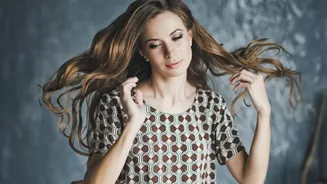
Finally, the most important tip is to give your hair and scalp regular breaks. Avoid wearing tight styles every day, especially overnight. Whenever possible, let your hair down to relieve all tension from the follicles. Gently massaging your scalp can also help improve blood circulation and soothe any soreness from a day of being pulled back. By being mindful of your tools, techniques, and daily habits, you can enjoy the versatility of long hair without the associated pain and damage, keeping your locks healthy and strong for years to come.