




The Monsoon Paradox
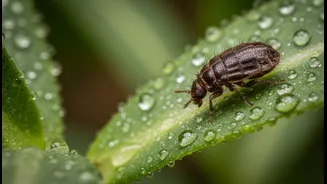
For pet owners in India, the arrival of the monsoon is a double-edged sword. While the cooler temperatures are a relief for our furry companions, the spike in humidity creates the perfect storm for a minuscule but mighty menace: the flea. You might diligently
keep your pet indoors to avoid the rain and mud, believing you're keeping them safe. Ironically, this well-intentioned act can turn your home into an ideal environment for fleas to thrive, transforming a minor issue into a full-blown infestation faster than you can say "scratch". The problem isn't just the rain outside; it's the humidity that seeps inside.
Understanding the Enemy: The Flea Lifecycle
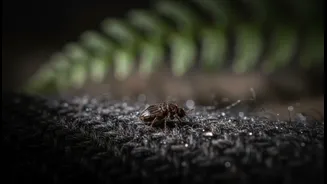
To defeat the enemy, you must first understand it. The flea lifecycle has four distinct stages: egg, larva, pupa, and adult. An adult female flea, living on your pet, can lay up to 50 eggs a day. These eggs aren't sticky; they fall off your pet and scatter throughout your home—on carpets, in sofas, under furniture, and in your pet's bedding. Within a few days to a week, these eggs hatch into tiny, maggot-like larvae. The larvae feed on organic debris and 'flea dirt' (the digested blood excreted by adult fleas). After a week or two, the larva spins a silken cocoon and becomes a pupa. This pupal stage is the flea's secret weapon. The cocoon is incredibly resilient, protecting the developing flea for weeks or even months.
Humidity: The Flea's Ultimate Superpower
This is where monsoon humidity plays a starring role. Fleas require moisture to survive and reproduce. Relative humidity below 50% is lethal for flea eggs and larvae; they simply dry out and die. However, during the Indian monsoon, indoor humidity levels can easily hover between 70% and 90%. This is the absolute sweet spot for fleas. High humidity ensures eggs hatch successfully and provides the moisture that larvae need to absorb from the air to survive. It also acts as a trigger. The combination of warmth, high humidity, and the carbon dioxide from a nearby host (you or your pet) signals the adult flea inside the cocoon that it's the perfect time to emerge and find its first blood meal.
Your Home: An Accidental Incubator
Suddenly, your entire home becomes a nursery for fleas. The damp doormat, the slightly humid pet bed, the deep fibres of a carpet that never quite dries out, and the dark, undisturbed corners behind furniture all become five-star accommodations for flea larvae. By closing windows to keep the rain out, we often reduce ventilation, trapping moist air inside and making the problem worse. What feels like a comfortable, protected space to us is, for a flea, a perfect, temperature-controlled, all-you-can-breed buffet. The life cycle, which can take months in dry conditions, can accelerate to be completed in as little as two to three weeks under these ideal, humid conditions.
Breaking the Cycle: Reclaiming Your Home
Controlling a monsoon flea outbreak is about breaking this accelerated lifecycle. The key is to reduce indoor humidity. Using dehumidifiers can make your home far less hospitable to developing fleas. Vacuuming frequently is crucial; it removes eggs, larvae, and pupae from carpets and furniture. Be sure to dispose of the vacuum bag immediately outdoors. Wash your pet's bedding, your own linens, and any throw rugs in hot water at least once a week. Of course, treating your pet with a vet-approved, year-round flea preventative is the first and most important line of defence. This ensures that any adult fleas that do emerge are killed before they can lay more eggs.