



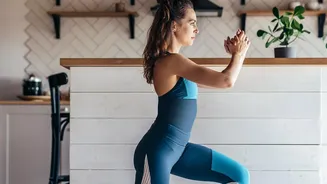


Bad weather, a tight schedule, or simply not wanting to leave the house can derail fitness goals. Indoor walking is a simple, effective, and free way to get your steps in, improve your heart health, and boost your mood without going outside.
The Undeniable Appeal of Walking Indoors
Walking inside
offers powerful benefits. Firstly, it provides a controlled environment; you don't have to worry about extreme temperatures, uneven pavements, or traffic. This makes it a consistent and safe option, especially for beginners or those with balance concerns. It's incredibly convenient, requiring no travel time to a gym or park, and can be done anytime, day or night. You can walk while watching TV, listening to a podcast, or even during work calls. The core health benefits—improved cardiovascular fitness, better mood, and reduced stress—are just as achievable indoors as they are outdoors.
Mastering the Basics: Walking in Place
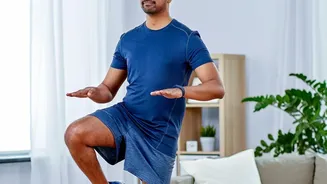
The foundation of any indoor walking workout is marching in place. To do it correctly and safely, stand tall with your shoulders back and down, and engage your core by pulling your belly button toward your spine. Keep your head up and your gaze forward, not down at your feet. Lift your knees alternately, as if you're marching, and let your arms swing naturally from your shoulders—opposite arm with opposite leg. Land softly, rolling from your heel to your toe to protect your joints. Even without moving forward, a brisk pace will elevate your heart rate and get your blood pumping.
Level Up: Adding Variety and Intensity
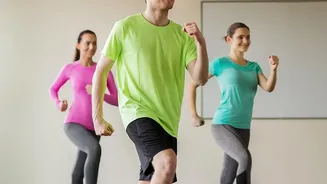
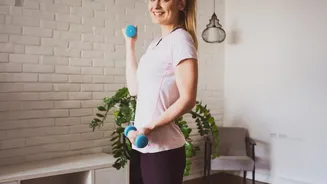
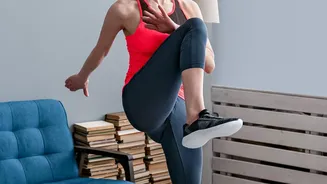
Walking in place is effective, but variety prevents boredom and challenges your body in new ways. Try incorporating different movements every few minutes to create a circuit. Side steps are great for working your inner and outer thighs. High knees, where you drive your knees up toward your chest, increase the cardio challenge and engage your core. Hamstring curls, or 'butt kicks', activate the back of your legs. You can also try walking backward for short periods to improve balance and work different muscles, or walk a figure-eight pattern around a room to challenge your coordination. For an added burn, you can use light hand weights, a weighted vest, or simply pump your arms more vigorously.
Follow the Leader: Guided Indoor Walks
One of the most popular ways to walk indoors is by following a guided workout video. Platforms like YouTube have thousands of free indoor walking workouts, from 10-minute 'exercise snacks' to hour-long sessions that can rack up thousands of steps. These workouts, often led by energetic instructors and set to music, provide structure and motivation. They typically combine basic marching with the varied movements mentioned above, like side-steps, kicks, and knee lifts, making the time fly by. It removes the guesswork and can make your workout feel more like a fun class than a chore.
Setting Yourself Up for Success
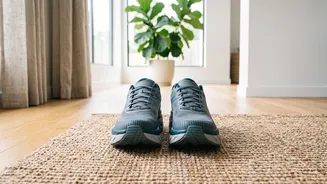
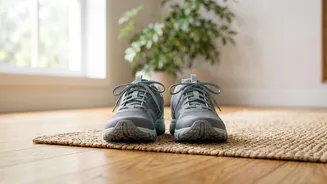
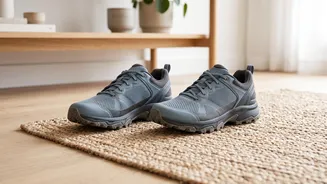
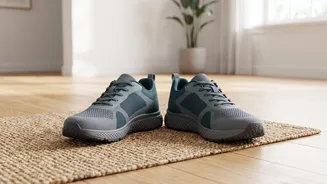
To make indoor walking a regular habit, a few simple preparations can make all the difference. Designate a clear, safe space for your workouts, removing any trip hazards like rugs or cords. While you're at home, it's still important to wear supportive shoes to protect your feet and provide stability. Have a water bottle handy to stay hydrated. To stay motivated, consider setting a specific time for your walk each day, tracking your steps or minutes, and finding an online community or friend to share your progress with. Remember to start slowly if you're new to exercise and listen to your body, modifying or stopping if you feel pain.