




The Dark Store Phenomenon
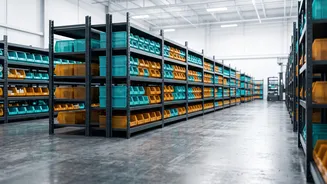
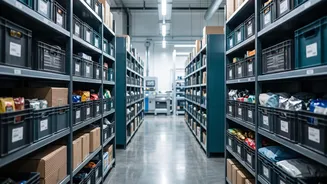
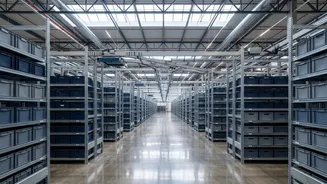
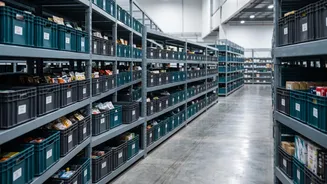
First, what exactly is a 'dark store'? Unlike a regular supermarket, it’s a small warehouse closed to the public, existing only to fulfil online orders. Typically between 1,000 and 2,000 square feet, these spaces are packed with thousands of items, from
groceries to electronics. Their sole purpose is speed. Everything, from the shelf layout to the inventory system, is optimised to get an order picked, packed, and out the door in minutes, enabling the 10-to-30-minute delivery promises that have reshaped urban consumer habits. This model relies on a dense network of these micro-fulfilment centres, each serving a hyperlocal radius of just two to three kilometres.
Bengaluru: India's Q-Commerce Capital
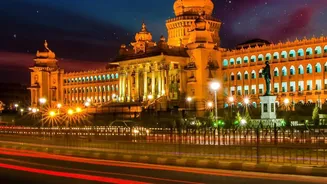
Bengaluru has become the undisputed heartland of India's quick-commerce revolution. As of mid-2026, the city was home to at least 629 dark stores operated by major players like Blinkit, Zepto, and Swiggy Instamart — more than any other Indian city. This accounts for over 11% of the national total, a remarkable concentration in a single metro area. The city's unique combination of a large tech workforce with high disposable income, notoriously congested roads that make personal shopping trips a chore, and a high density of large apartment complexes creates the perfect conditions for quick commerce to thrive. For many residents, the convenience of avoiding traffic is a major driver of adoption.
The Strain on City Streets
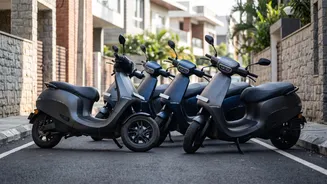
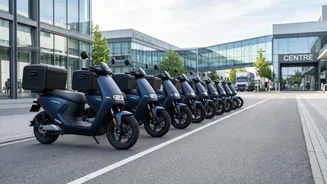
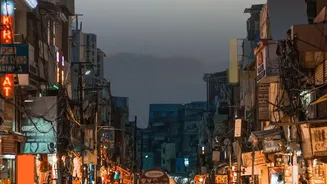
The promise of 10-minute delivery comes at a cost, and Bengaluru's streets are paying the price. The sheer volume of delivery partners weaving through traffic to meet tight deadlines adds a new layer of chaos to already overburdened roads. In response to rising complaints, the Bengaluru traffic police have conducted special drives, booking thousands of cases against delivery personnel for violations like reckless driving, jumping signals, and riding without a helmet. While platforms state that speed comes from the density of their store network, not from pressuring riders to drive faster, the on-ground reality points to increased risk. This has sparked a broader debate about rider safety and the societal cost of instant gratification.
Zoning, Noise, and Neighbourhoods
The impact extends beyond traffic. To meet delivery timelines, dark stores must be located deep within residential neighbourhoods, and this has created significant friction. Many of these facilities operate in a regulatory grey area, often set up in buildings not zoned for commercial warehousing or logistics. This can lead to conflicts with residents over issues like late-night noise from loading and unloading, and parking congestion caused by fleets of delivery bikes. Municipal bodies like the Bruhat Bengaluru Mahanagara Palike (BBMP) have noted that many of these stores violate zoning laws, operating in areas strictly designated as residential and lacking proper fire safety compliance.
The Other Side of the Convenience Coin
Despite the challenges, the quick-commerce model offers undeniable benefits. For consumers, it provides unparalleled convenience and saves time. Economically, the sector is a significant employer. Bengaluru's 629 dark stores are estimated to employ between 6,300 and 12,600 workers directly, injecting millions in wages into the local economy. This doesn't include the thousands of delivery partners who form the backbone of the system. The industry has become a major source of jobs, though it is also marked by high attrition rates. Proponents argue that dark stores are simply a more efficient evolution of retail, meeting a clear consumer demand that was accelerated by the pandemic.
The Search for a Sustainable Path Forward
As the industry matures, the focus is slowly shifting from aggressive expansion to sustainable operations. The core issue is not the existence of dark stores themselves, but their uncoordinated growth in shared urban spaces. Cities like Bengaluru are grappling with how to regulate this new form of infrastructure. Potential solutions include creating a clear legal classification for dark stores, which currently straddle the line between retail and warehousing. Other proposals involve enforcing stricter zoning compliance, requiring safety and traffic impact assessments before a store can open, and exploring concepts like performance zoning, which ties approvals to environmental and traffic metrics. The central challenge for urban planners is to find a framework that supports innovation and consumer choice without sacrificing neighbourhood liveability and road safety.