








Delhi: An Unexpected Birding Hotspot
It may come as a surprise, but Delhi is the world's second-richest capital city in terms of avian diversity, second only to Nairobi. Its strategic location on the Central Asian Flyway, a major migratory route, means that each winter, the city's wetlands
and forests welcome thousands of birds from as far as Siberia and Europe. Combined with a diverse range of habitats—from wetlands along the Yamuna to the rugged Aravalli scrubland and manicured city parks—Delhi offers a remarkable birdwatching experience year-round.
Okhla Bird Sanctuary: A Wetland Haven
Situated where the Yamuna River enters Uttar Pradesh, Okhla Bird Sanctuary is a haven for water birds. This Important Bird Area (IBA) is a mosaic of wetlands, reedbeds, and thorny scrub. In winter, it becomes a bustling hub for migratory ducks like the Northern Shoveler, Northern Pintail, Common Teal, and the striking Bar-headed Goose. Keep an eye out for resident species like the Painted Stork and Black-headed Ibis. The sanctuary has recorded over 320 bird species, including critically endangered vultures, making it a critical urban ecosystem.
Sultanpur National Park: A Migratory Spectacle
Just a short drive from Delhi, Sultanpur National Park in Gurugram is a world-renowned Ramsar site, recognized for its international importance. The park was established thanks to the efforts of famed ornithologist Dr. Salim Ali. It is a paradise for birdwatchers, especially from November to February when it hosts over 250 species. The shallow lake and surrounding grasslands are ideal for spotting large congregations of migratory birds, including Greater Flamingos, Eurasian Wigeons, and even the magnificent Sarus Crane. Well-laid trails and watchtowers make for easy and rewarding viewing.
Asola Bhatti Wildlife Sanctuary: The Rugged Ridge
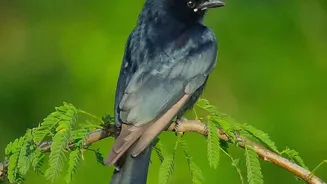
For a different kind of birding experience, head to the Asola Bhatti Wildlife Sanctuary on the southern Ridge. This protected area represents the rugged Aravalli ecosystem, with scrubland, rocky outcrops, and several lakes. The terrain attracts different species compared to the wetlands. Look for the Indian Peafowl, Sirkeer Malkoha, and raptors like the Black Kite and Shikra soaring overhead. The sanctuary has several walking trails of varying lengths, offering a chance to explore Delhi's largest protected forest and spot some of the 121 bird species recorded in recent surveys.
Lodhi Garden: History and Hornbills
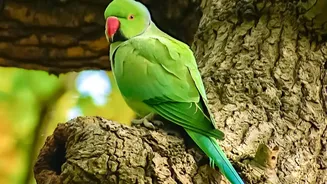
You don't always need to travel to a sanctuary for great birding. Located in the heart of the city, the 90-acre Lodhi Garden offers a fantastic blend of history and nature. While exploring the 15th-century tombs, you can spot an impressive number of birds. The park is home to over 160 species, including common residents like the Jungle Babbler and Rose-ringed Parakeet, as well as the magnificent Indian Grey Hornbill. Ponds attract water birds like the Indian Spot-billed Duck, while the mature trees provide habitat for barbets and kingfishers.
Essential Tips for Birding in Delhi
To make the most of your birdwatching excursion, a little preparation goes a long way. The best time to go is always early in the morning, from first light until around 9 a.m., when birds are most active. Winter (November to March) is the peak season for migratory species. Dress in muted, natural colours like greens and browns to blend in. A good pair of binoculars is essential for getting clear views without disturbing the birds. Finally, be patient. Sometimes the most rewarding sightings come from standing still near a water body or flowering tree and simply letting the birds come to you.