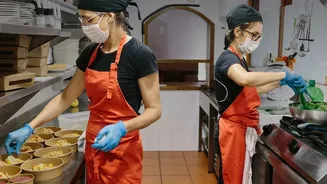


For busy working couples, the 'what's for dinner?' question can be a daily source of stress. Batch cooking is the solution, but the secret lies in choosing recipes that don't just survive, but thrive, after a few days in the fridge.
The Science of Flavourful Leftovers
The success of a batch-cooked
meal lies in understanding which dishes improve with time. The best candidates are often wet, slow-cooked dishes. As they sit, the ingredients meld and marinate, a process called 'flavour blooming'. Spices, aromatics like garlic and ginger, and herbs have more time to infuse the entire dish, creating a deeper, more complex taste than when it was first cooked. This is why a curry or a stew often tastes better on the second or third day. In contrast, dishes that rely on texture—like crispy fried items or fresh, crunchy salads—tend to degrade, becoming soggy and unappetizing.
Your Best Friends: Curries, Dals, and Stews
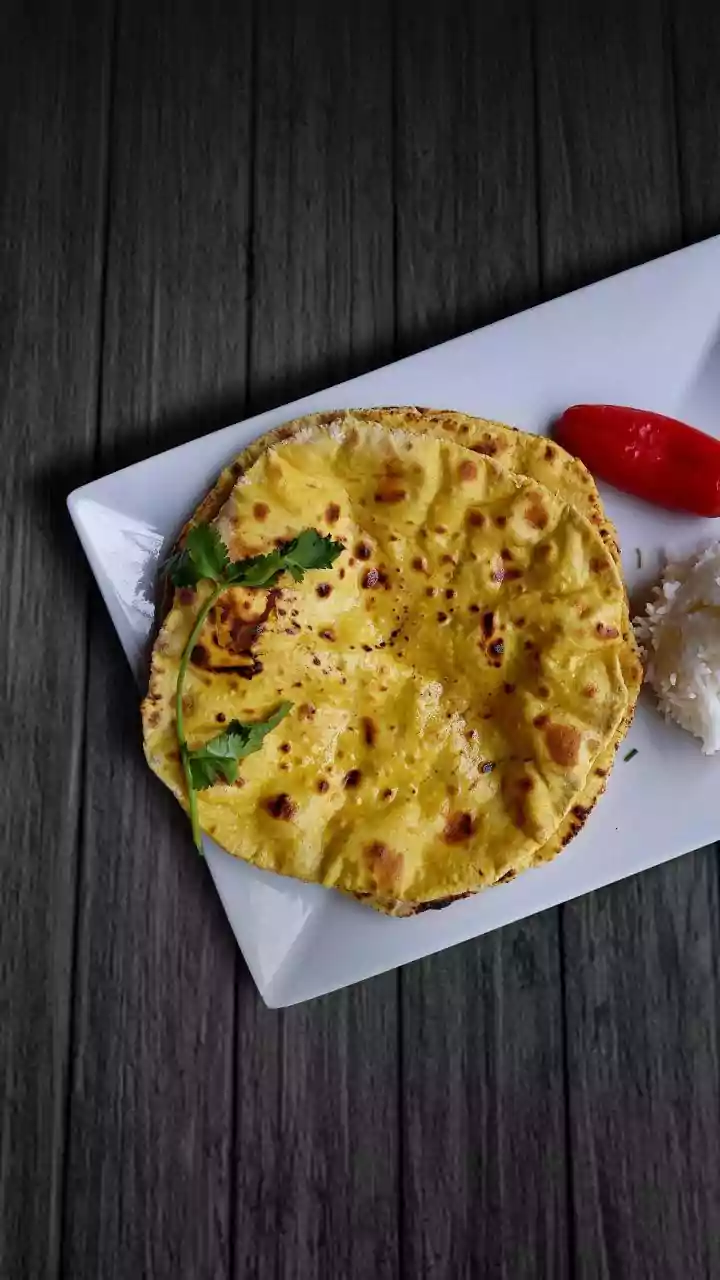
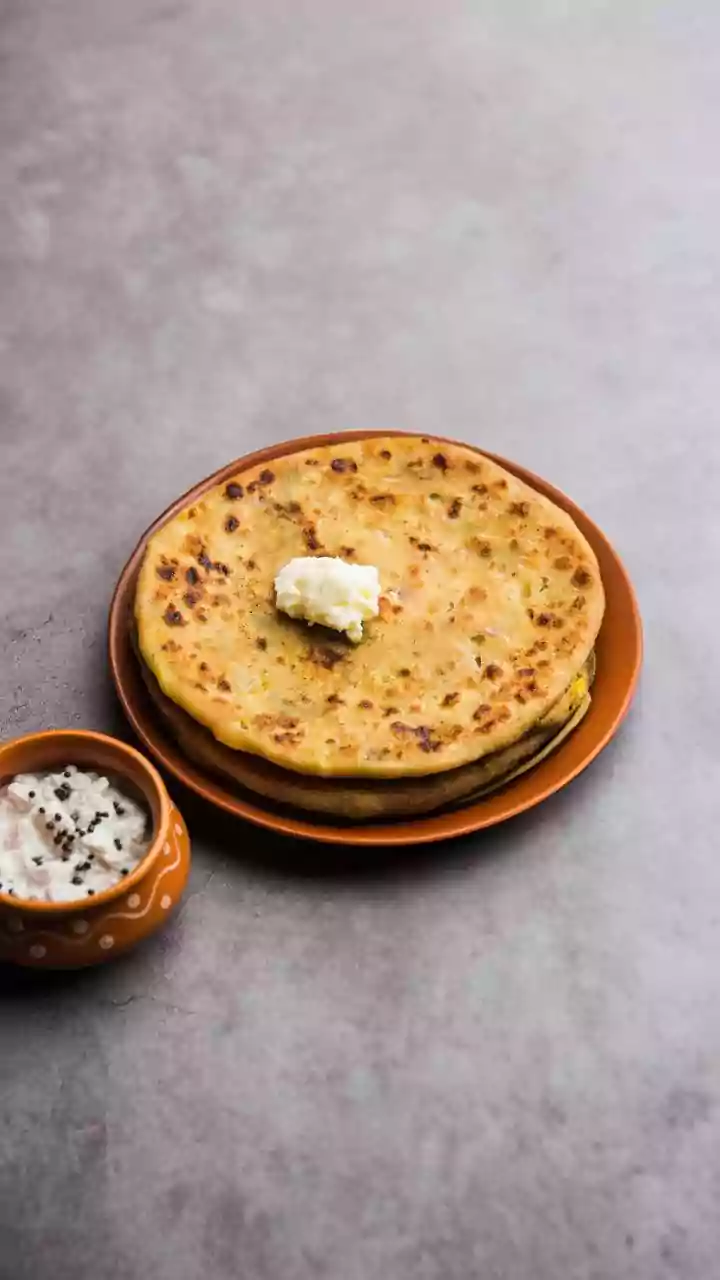
Moisture-rich dishes are the champions of batch cooking. Indian staples like dal makhani, chana masala, rajma, and sambar are perfect examples. Their flavours intensify beautifully overnight. Similarly, international stews, chillis, and rich meat or vegetable ragùs are excellent choices. The trick is to cook a large pot on the weekend. You can store it in the refrigerator for up to four days and enjoy it with freshly cooked rice or rotis for a quick, satisfying weeknight meal. For many of these dishes, the core 'masala' or curry base can also be prepared in a large batch and frozen, cutting down daily cooking time even further.
The Component Prep Strategy
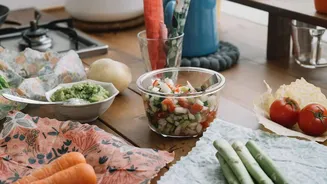
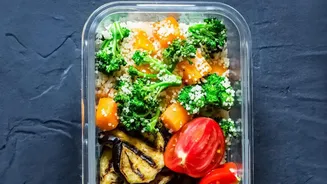
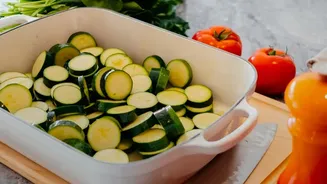
Batch cooking isn't just about making complete meals. A more flexible approach is to 'component prep'. This involves preparing individual ingredients that can be mixed and matched throughout the week. For example, spend an hour on Sunday roasting a large tray of sturdy vegetables like sweet potatoes, carrots, bell peppers, and cauliflower. Cook a large batch of a versatile grain, such as quinoa, brown rice, or millets. Store these in separate airtight containers. During the week, you can quickly assemble grain bowls, add the roasted vegetables to a quick stir-fry, or bulk up a simple soup. This method prevents flavour fatigue and gives you more control over your daily meals.
What Not to Batch Cook (Or How to Adapt)
Not all foods are created equal when it comes to reheating. Avoid pre-making anything that is supposed to be crispy, like pakoras or breaded cutlets, as they will inevitably become soggy. Salads with dressing are another no-go; prepare the components and dress just before serving. Dishes with a lot of dairy, especially cream, can sometimes split or curdle when reheated. A simple workaround is to add the cream or yogurt at the final stage, when you are reheating a portion for dinner. Similarly, delicate seafood like shrimp is best cooked fresh, as it can become rubbery when reheated.
Smart Storage Is Non-Negotiable
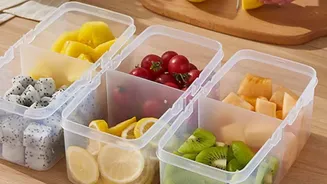
Proper storage is crucial for both food safety and taste. Invest in good-quality airtight containers, preferably glass, as they don't stain or retain odours. Always allow food to cool down before refrigerating or freezing to prevent bacterial growth and condensation. Divide large batches into meal-sized portions. This makes them easier to grab and reheat, and also helps them cool and freeze more quickly and safely. Finally, label everything with the name of the dish and the date it was cooked. This simple habit prevents you from having to guess what's in that mystery container at the back of the freezer.