





The Battery Barrier to Affordability
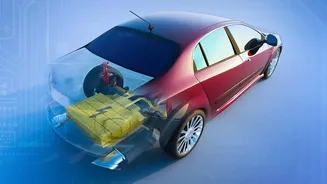
Ask anyone what holds them back from buying an electric scooter or motorcycle, and price is often the top answer. The single most expensive component in any electric vehicle is its battery pack, often accounting for 30 to 40 percent of the total manufacturing
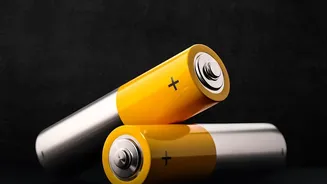
cost. For years, the industry has relied on lithium-ion batteries, the same technology that powers our smartphones and laptops. While they have improved, they come with inherent limitations. These batteries use a liquid electrolyte to move energy around, which is flammable and requires a complex, heavy, and expensive battery management system (BMS) to prevent overheating and ensure safety. This adds weight, consumes space, and inflates the final sticker price of the vehicle, putting it just out of reach for a large segment of buyers.
Enter the Solid-State Solution
This is where solid-state energy storage comes in. The core innovation is simple in concept but revolutionary in practice: it replaces the flammable liquid electrolyte with a thin, stable, solid material, often made of ceramic, glass, or polymer compounds. Think of it like swapping a wet, volatile sponge for a solid, stable ceramic tile inside the battery. This fundamental change in architecture unlocks a cascade of benefits that directly address the cost and performance issues of current-generation EVs. By eliminating the liquid, the entire battery becomes safer, more compact, and more efficient.
The Three Pillars of Cost Reduction
Solid-state research aims to lower prices in three key ways. First is through dramatically higher energy density. These batteries can store significantly more energy in a much smaller and lighter package. For a two-wheeler, this means a manufacturer could use a smaller, lighter, and therefore cheaper battery pack to achieve the same range as a larger, heavier lithium-ion pack. Second, the inherent safety of a solid electrolyte eliminates the risk of fires from thermal runaway. This means manufacturers can remove the heavy, complex, and costly liquid cooling systems and extensive safety housing required in today's EVs, further reducing weight and cost. Finally, while manufacturing is expensive now, the long-term goal is a simpler production process. The solid, stackable nature of the cells is better suited for streamlined, automated assembly. Furthermore, the technology opens the door to using more abundant and less expensive raw materials, reducing reliance on costly and geopolitically sensitive metals like cobalt.
A Game-Changer for Indian Two-Wheelers
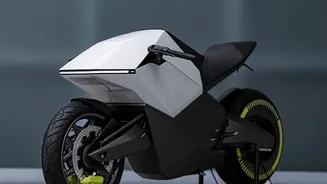
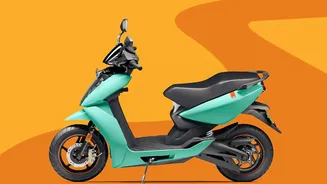
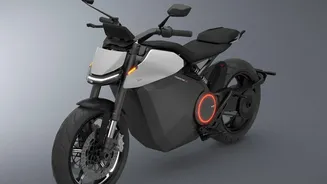
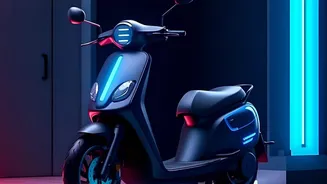
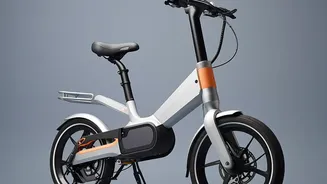
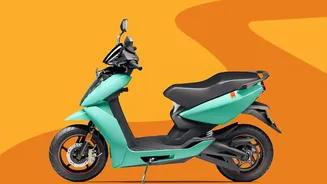
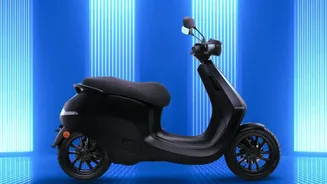
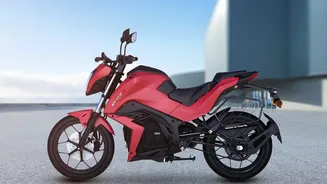
The advantages of solid-state technology are particularly suited to the needs of the Indian two-wheeler market. On a scooter or motorcycle, where every kilogram and centimetre counts, a lighter and more compact battery is transformative. It not only lowers the cost but also improves the vehicle's handling, agility, and overall efficiency. The enhanced safety is also a massive plus, giving consumers greater peace of mind. The potential for ultra-fast charging—with some prototypes aiming for an 80% charge in 10-15 minutes—would make EV ownership far more convenient than it is today, bringing it closer to the experience of a quick stop at a petrol pump. These combined benefits are exactly what is needed to accelerate mass adoption in a market that prioritizes utility, affordability, and reliability.
The Road Ahead is Still Being Paved
While the promise is enormous, it is important to manage expectations. Solid-state batteries are not yet ready for mass production. Currently, the intricate manufacturing processes make them significantly more expensive than their lithium-ion counterparts. Researchers and companies are working to solve challenges related to durability and scaling up production to a global level. Most experts believe that solid-state batteries will not become a common feature in mass-market vehicles until the early 2030s. However, the massive investment from automakers and tech companies worldwide signals a clear direction. For the Indian market, this research represents the most promising path toward a future where electric two-wheelers are not just an alternative, but the default, affordable choice for everyone.