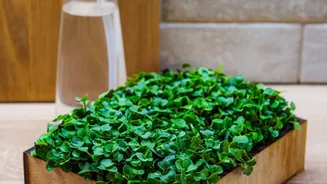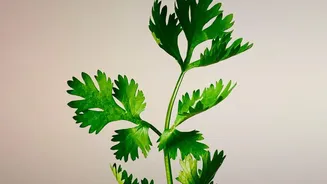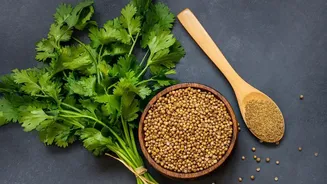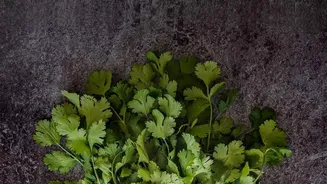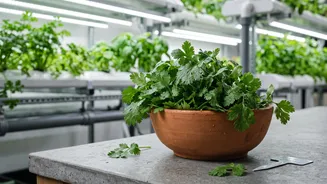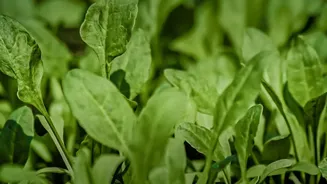

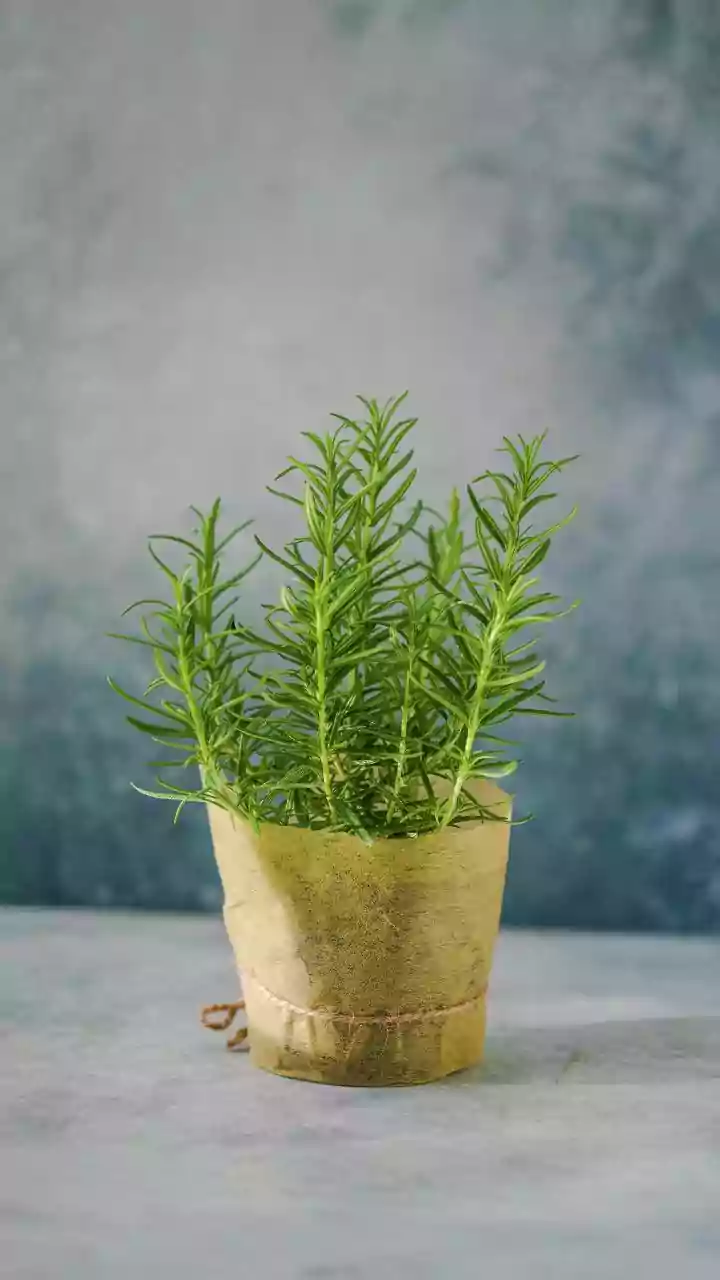

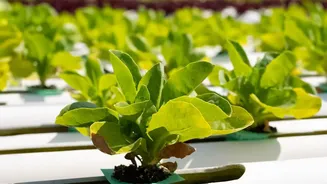
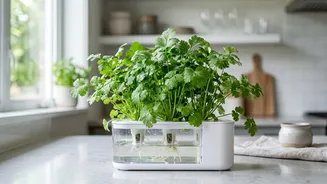
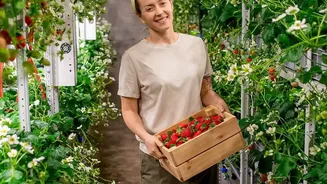
Imagine snipping fresh, aromatic dhaniya for your curry right from your kitchen counter, even in a city apartment with no balcony. Soil-free gardening, also known as hydroponics, makes this a reality, especially with the help of LED lights.
Why Go Soil-Free?
Growing coriander
without soil offers several compelling advantages for the home gardener. Firstly, it is a much cleaner process. With no soil, there is no mess, making it ideal for indoor spaces like kitchens and apartments. Plants grown hydroponically also tend to grow faster—some studies suggest 30% to 50% quicker—because their roots receive nutrients directly from the water solution. This method is incredibly space-efficient; a small container on a shelf is all you need for a steady supply. It also eliminates common gardening woes like soil-borne pests and the need for weeding, making it a lower-maintenance and more beginner-friendly approach to cultivating fresh herbs year-round.
What You Will Need
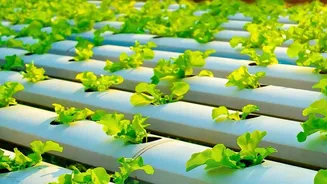
Getting started with a simple hydroponic setup for coriander is surprisingly straightforward. For a basic passive system, often called the Kratky method, you do not need pumps or electricity. Your essential shopping list includes: a container to hold the water (like a mason jar or a small tub), net pots to hold the plant, a growing medium to support the roots (such as coco peat, perlite, or rockwool), and a balanced hydroponic nutrient solution. Coriander is a light feeder, so a general-purpose nutrient mix for leafy greens will work well. Finally, if you lack a sunny windowsill, you will need a full-spectrum LED grow light to provide the necessary energy for the plants to thrive.
Setting Up Your System
First, prepare the coriander seeds. Many growers find that gently cracking the outer husk and soaking the seeds for 12–24 hours improves germination rates. While the seeds soak, prepare your growing medium. If using rockwool, it's best to soak it in water with a balanced pH (between 5.5 and 6.5) beforehand. Place two or three seeds in each starter plug. Once the seeds have sprouted and developed their first true leaves, they are ready to be placed in the net pots of your main hydroponic container. Mix your nutrient solution according to the package directions, ensuring the pH is between 5.8 and 6.5 for optimal nutrient uptake. The roots should be submerged in the nutrient solution, with an air gap at the top that will grow as the plant consumes water.
The Crucial Role of LED Lights
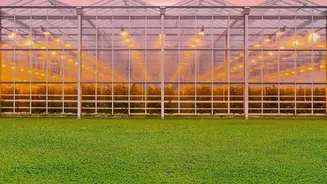
Most herbs, including coriander, are high–light plants that need more energy than a typical indoor room can provide. When natural sunlight is limited, LED grow lights are not just a supplement; they are essential for healthy, leafy growth. For best results, coriander needs about 12 to 16 hours of light per day. Full–spectrum white LED lights are the most popular and effective choice for home growers, as they mimic natural sunlight and support all stages of growth. Position the light 12 to 20 cm above the plants, and use a simple plug–in timer to ensure a consistent daily light cycle. This controlled lighting prevents the weak, 'leggy' stems that often occur when herbs are grown indoors without adequate light.
Care, Harvest, and Avoiding Problems
Maintaining your hydroponic coriander is simple. The main task is to monitor the nutrient solution. One of the biggest challenges with coriander is 'bolting'—when the plant flowers prematurely, causing the leaves to turn bitter. This is often triggered by heat stress. Keeping the air and water temperature cool, ideally between 18°C and 24°C, will help delay bolting. You can begin harvesting leaves in about four to six weeks. To encourage continuous growth, regularly snip the outer, larger leaves and avoid cutting more than a third of the plant at once. By pruning the top growth, you can encourage the plant to become bushier rather than tall and quick to flower. With this method, you can enjoy a prolonged harvest for several weeks from the same plants.