




Why a Rooftop Is Your Best Bet
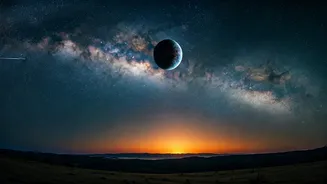
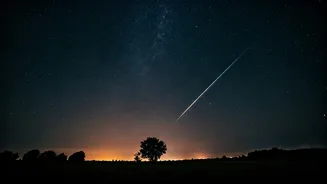
In the dense, bright landscape of an Indian city, your biggest enemy is light pollution. Streetlights, building signs, and traffic combine to create a 'sky glow' that washes out all but the brightest celestial objects. Getting to a higher vantage point,
like a rooftop, lifts you above the immediate sources of ground-level glare. It also provides a wider, more unobstructed view of the horizon. Viewing a planet when it is low in the sky means you're looking through a thicker, more turbulent layer of Earth's atmosphere, which can make the image shimmer and blur. A rooftop helps you catch celestial objects once they've climbed higher, offering a clearer and more stable view.
The Art of Astronomical Patience
The second part of the equation is patience. This isn't just about waiting for a clear, cloudless night, which is especially crucial during monsoon season. True astronomical patience begins once you're in position. First, you need to let your eyes adapt to the darkness, a process that can take up to 20-30 minutes. Avoid looking at bright phone screens during this time; if you need light, use a red-tinted flashlight, which has less impact on your night vision. Patience also means spending time at the eyepiece. Don't expect a NASA-quality image instantly. Give your eyes time to pick out details. The longer you look, the more you'll begin to notice, transforming a bright dot into a discernible planet.
When to Look: July 2026 Opportunities
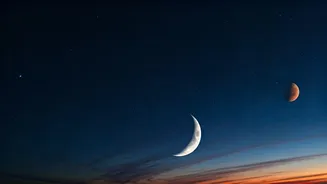
Throughout July 2026, Saturn becomes progressively easier to spot from India. Early in the month, you'll need to be an early riser, as the planet appears low in the eastern sky before dawn, competing with the approaching twilight. A great opportunity comes on the mornings of July 7th and 8th, when the last-quarter Moon will appear close to Saturn, making the planet much easier to locate. Look towards the east after midnight; Saturn will resemble a bright, golden star that doesn’t twinkle. By the end of July, viewing conditions improve significantly. On July 31st, Saturn will reach a higher altitude in a darker sky around 3 AM, offering the best viewing opportunity of the month.
Gearing Up: What You Really Need
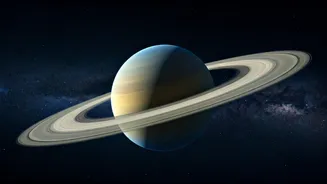
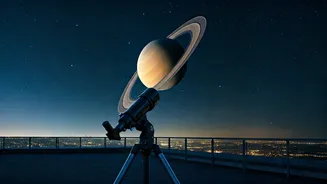
You don't need to break the bank to see Saturn. While the planet is visible to the naked eye as a bright point of light, its most famous feature—the rings—requires some magnification. Good binoculars, held steady, might reveal Saturn as an oval-shaped disc rather than a point, but they won't resolve the rings. For that, you'll need a telescope. A small beginner's telescope with at least a 50mm to 75mm aperture is enough to show the rings as a distinct structure. It's a myth that you need a massive, expensive instrument for your first look. Many amateur astronomers cherish their first view through a modest telescope, which is often enough to spark a lifelong passion.
Managing Expectations: What You'll See
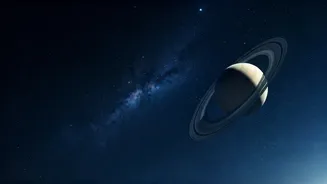
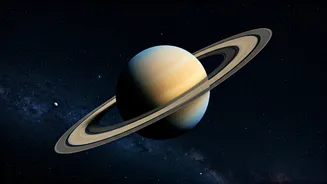
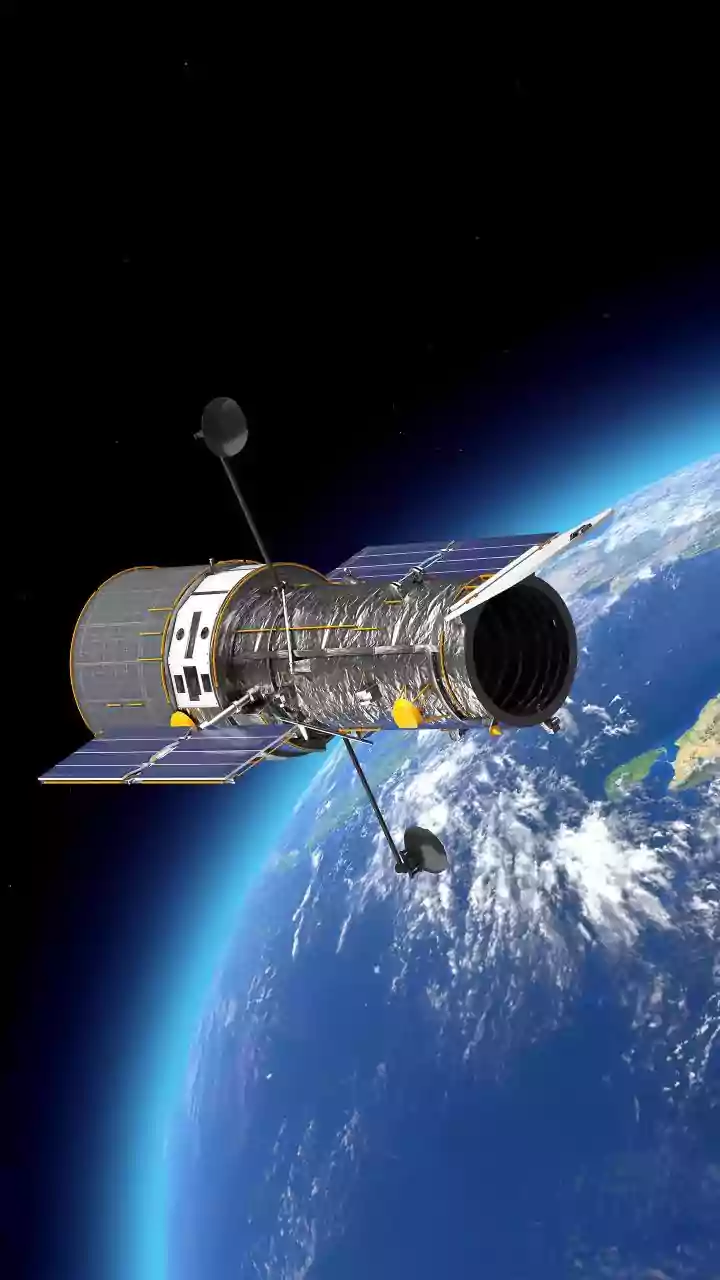
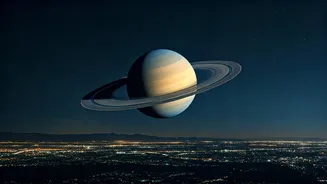
It’s important to have a realistic idea of what you will see. Through a small backyard telescope, Saturn will not look like a photograph from the Hubble Space Telescope. You will see a small, but sharp, glowing orb, clearly encircled by its rings. This sight is deeply moving, as you are witnessing it with your own eyes in real-time. On a night with good, steady air, a larger amateur telescope might even reveal the Cassini Division—a dark gap in the rings—or Saturn's largest moon, Titan, which looks like a tiny star nearby. The rings themselves are currently tilted towards us by about nine degrees, offering a good view after being nearly edge-on in 2025.