







A Tale of Two Sweeteners
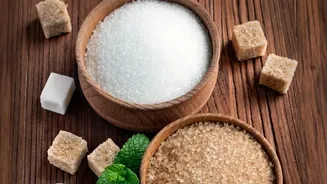
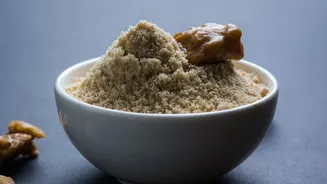
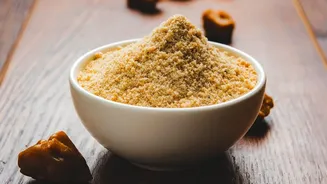
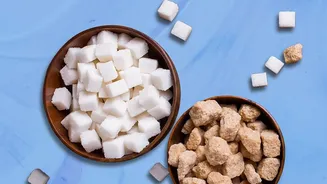
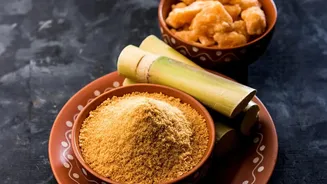
In one corner, we have gleaming, uniform crystals of white sugar, a pantry staple across the globe. In the other, we have the rustic, golden-brown blocks of jaggery, a traditional favourite in India, especially during the colder months. Both originate
from sugarcane juice, but their journey from plant to pantry is what sets them apart. This difference in processing is at the heart of the debate, influencing everything from their nutritional profile to their role in our winter wellness routines. While white sugar is a household name for its neutral sweetness, jaggery carries a more complex, caramel-like flavour and a reputation for being the healthier cousin.
From Cane to Kitchen: The Processing Divide
The fundamental difference between jaggery and white sugar lies in their production. Jaggery is made by boiling raw sugarcane juice until it solidifies. This minimal processing means it retains the natural molasses, which is a dark, syrupy byproduct of sugar making. This molasses is what gives jaggery its distinctive colour and, crucially, its nutrient content. White sugar, on the other hand, undergoes extensive industrial refining. The sugarcane juice is clarified, crystallised, and then spun in a centrifuge to strip away all the molasses, resulting in almost 99.7% pure sucrose. What’s left is a uniform, white crystal, but one that has been stripped of the minerals and vitamins present in the original plant.
The Mineral Question: Does Jaggery Deliver?
The headline claim is true: jaggery does contain trace minerals that are absent in white sugar. Thanks to the molasses it retains, jaggery offers small amounts of iron, magnesium, potassium, and calcium. A 100-gram serving can provide a notable amount of these nutrients, particularly iron. However, the key is portion size. A typical serving in tea or a sweet is closer to 10-15 grams. At this quantity, the mineral contribution is quite small and not enough to be considered a primary source for your daily needs. While it’s certainly more nutritious than the 'empty calories' of white sugar, relying on jaggery for your mineral intake would mean consuming a very high amount of sugar.
Calories and Blood Sugar Impact
When it comes to calories, there's almost no difference. Jaggery and white sugar both contain around 380-390 calories per 100 grams. Switching from sugar to jaggery will not result in significant calorie savings. Perhaps the biggest myth is about their effect on blood sugar. Many believe jaggery is safer for diabetics, but the evidence suggests otherwise. Surprisingly, most sugarcane jaggery has a higher glycemic index (GI) of around 84, compared to white sugar's GI of about 65. This means it can raise blood sugar levels even faster than regular sugar. For this reason, neither is recommended in large amounts for individuals managing diabetes.
The Winter Wellness Connection
So why is jaggery so beloved in winter? Traditionally, Ayurveda considers jaggery a 'warming' food, making it ideal for the cold season. It's a key ingredient in many winter preparations like 'chikki' and 'til-gud ladoos', often paired with nuts and seeds. Traditional wisdom suggests it helps boost immunity, aid digestion, and prevent colds and coughs. The minerals it contains, like zinc and selenium, are known to support the immune system. Furthermore, a small piece of jaggery is often consumed after meals to help stimulate digestive enzymes. While scientific evidence for some of these claims is limited, its role in traditional winter diets is undeniable.