



The Foundation: Pots & Soil
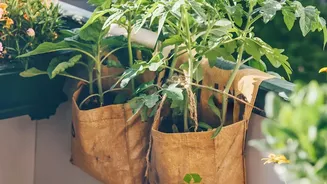
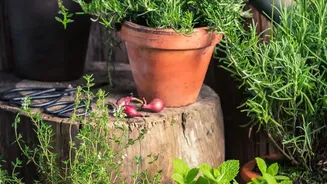
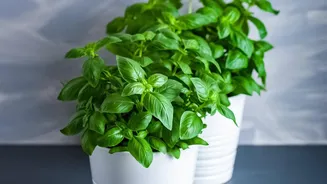
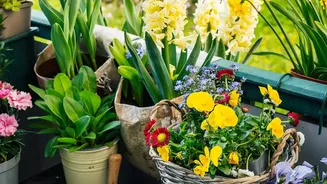
Your journey begins with the right container and soil. For herbs like basil, mint, and curry leaves, choose pots that are at least 12 inches deep and wide to allow for healthy root growth. Good drainage is non-negotiable, so ensure every pot has holes
at the bottom to prevent waterlogging and root rot. When it comes to soil, skip the dense garden soil from your yard. Instead, opt for a high-quality organic potting mix designed for vegetables and herbs. A great DIY blend combines equal parts good-quality compost, coir (coconut fibre), and perlite or vermiculite. This mixture provides essential nutrients, retains moisture, and ensures excellent aeration for strong roots.
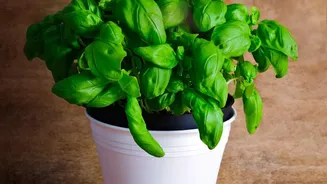
Growing Glorious Basil
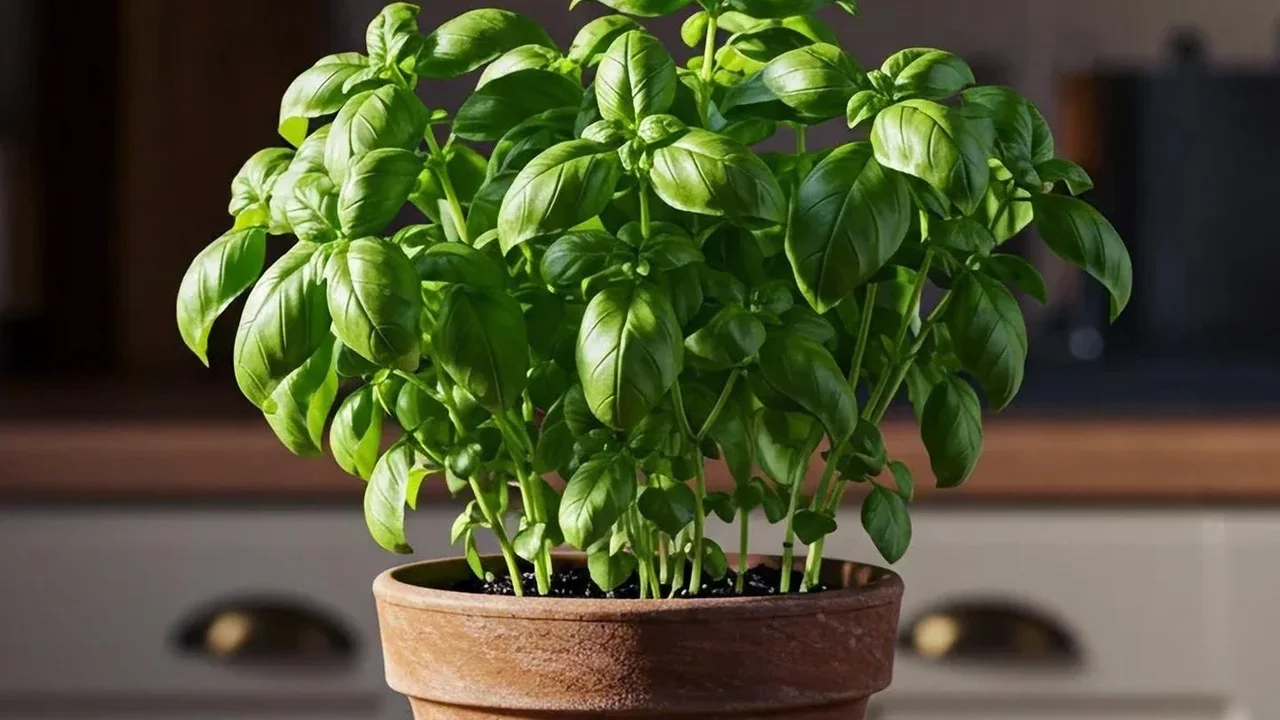
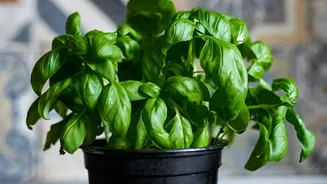
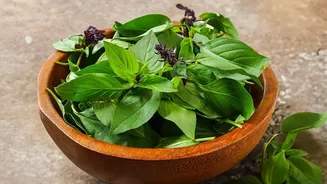
Basil, the king of herbs, thrives in warmth and sunshine. It needs at least six to eight hours of direct sunlight daily to develop its signature aromatic leaves. Water your basil plant whenever the top inch of soil feels dry, watering deeply until it drains from the bottom. During peak summer heat, this might mean watering daily, especially for potted plants. The key to a bushy, productive basil plant is regular harvesting. Once the plant is about six inches tall, start pinching off the top sets of leaves. This encourages the plant to branch out and produce more foliage. Be sure to pinch off any flower buds that appear, as flowering can make the leaves less flavourful.
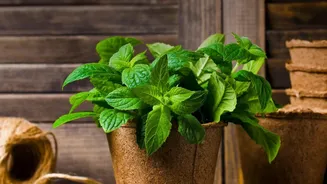
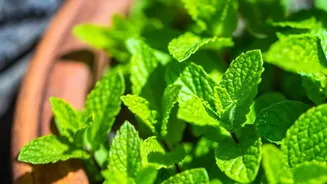
Mastering Prolific Mint
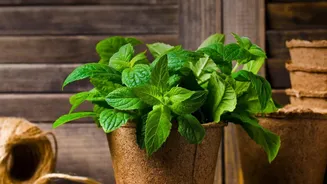
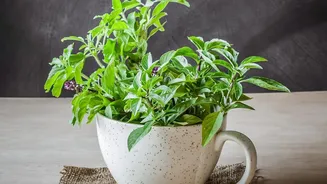
Mint, or pudina, is famously easy to grow—so easy, in fact, that it can quickly take over a garden bed. This makes it a perfect candidate for container gardening, which keeps its aggressive runners contained. Mint is flexible about sunlight, thriving in both full sun and partial shade. In the intense Indian summer, some afternoon shade can be beneficial to prevent leaf scorch. Like basil, mint prefers consistently moist soil, so water it regularly, especially during hot months. You can easily propagate mint from a stem cutting taken from a bunch bought at the market; just place a healthy stem in water until roots appear, and then plant it in your pot.
Nurturing A Curry Leaf Plant
The curry leaf plant, or kadi patta, is a small tree native to tropical Asia that adds an indispensable flavour to many Indian dishes. It loves sun, requiring at least six hours of direct sunlight per day to flourish. When planting in a pot, you can start from a seed or a cutting. Fresh seeds have a better chance of germinating. A potted curry leaf plant can grow up to three feet or taller in a large container. Water the plant thoroughly, but allow the soil to dry out slightly between waterings. During its active growing season, you can feed it monthly with a balanced organic fertilizer. Pruning the tips regularly will encourage it to grow into a bushier plant with more leaves to harvest.
Organic Pest Management
Growing organically means avoiding chemical pesticides. Common pests like aphids, spider mites, and whiteflies can sometimes bother your herbs. A simple and effective solution is a spray made from neem oil mixed with a little liquid soap and water, applied every fifteen days as a preventative measure. For pests like slugs, which create jagged holes in leaves, you can sprinkle crushed eggshells or diatomaceous earth around the base of the plant. Good air circulation and avoiding overhead watering can also help prevent fungal issues like powdery mildew, especially during the monsoon season.