



What Exactly Is Beauty-Led Travel?
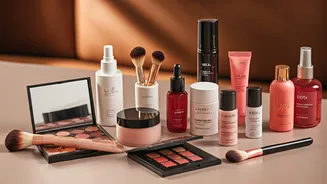
Beauty-led travel, sometimes called 'glowmading', is the trend of planning trips with the primary goal of enhancing one's appearance and well-being. This goes far beyond packing a good face mask. It involves curating an entire holiday around specific
beauty treatments, wellness rituals, and self-care experiences. The focus shifts from passive sightseeing to active participation. Instead of just observing a culture, travellers are engaging with its beauty practices, whether that means visiting a high-tech skin clinic in Seoul, learning traditional skincare techniques in Japan, or indulging in luxury spa treatments in Paris. The souvenir is not a trinket, but a new skill, a refreshed appearance, or a lasting sense of rejuvenation.
The Forces Driving the Glow-Up
So why is this happening now? A major driver is social media. Platforms like TikTok and Instagram have made unique beauty experiences around the world look aspirational and accessible. Influencers and everyday users share their journeys, from Korean head spas to Turkish cosmetic clinics, inspiring their followers to seek out similar transformative trips. This aligns with a broader post-pandemic cultural shift towards wellness and self-care. Many people now view health and beauty as essential investments, and holidays are seen as a perfect time to focus on them. Younger generations in particular, like Gen Z and millennials, are leading this charge, viewing wellness as a daily practice rather than an occasional treat. The 'why' of travel is becoming as important as the 'where.'
From Rejuvenating Retreats to Surgical Stays
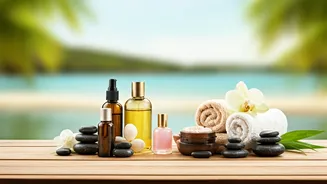
Beauty travel exists on a wide spectrum. On one end, you have wellness tourism, a market expected to surpass a trillion dollars, focusing on holistic health. This includes stays at luxury spa retreats, yoga and meditation getaways, and resorts offering everything from sound healing to biohacking. These experiences are about rejuvenation and stress reduction. On the other end of the spectrum is cosmetic or medical tourism, a booming market where people travel abroad for surgical and non-surgical procedures like rhinoplasty, liposuction, or advanced facial treatments. The global market for cosmetic procedures has seen significant growth, with tens of millions of treatments performed annually.
Top Destinations on the Beauty Map
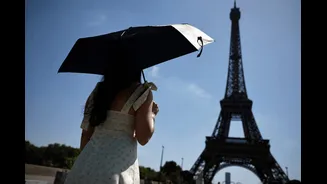
Certain destinations have become global hubs for this new travel style. South Korea is a dominant force, renowned for its cutting-edge skincare industry and highly specialized clinics. Travellers flock there for everything from multi-step facials to complex surgical procedures. Turkey has emerged as another powerhouse, particularly for cosmetic procedures like hair transplants, offering all-inclusive packages that combine treatment with accommodation and flights. Other popular destinations include Colombia, known for its expertise in body contouring, as well as Mexico and Thailand, which attract patients with competitive pricing and quality care. For non-invasive luxury, European capitals like Paris and Milan blend high fashion with high-end beauty workshops.
A Considered Approach to Transformation
While the promise of a holiday glow-up is alluring, it requires careful consideration. The rise of social media-driven travel can create a pressure to achieve a certain filtered ideal, sometimes leading to disappointment when reality doesn't match the online depiction. When it comes to medical tourism, the stakes are higher. While many international clinics offer excellent care, the risks of travelling for surgery can include complications, a lack of follow-up care, and the dangers of choosing a facility based on price alone. Experts advise thorough research into clinics and practitioners. Even in high-quality centres, complication rates exist, making it vital for prospective patients to prioritise safety and regulatory standards over glossy advertisements.