




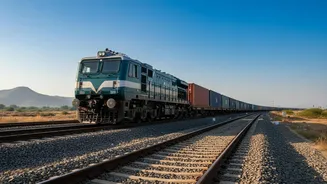
The Numbers Tell a Story
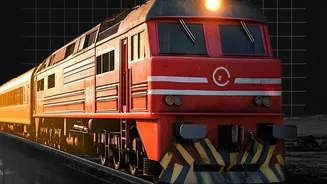
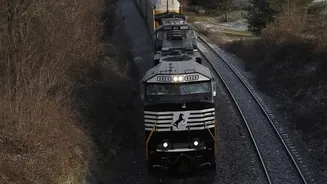
The latest figures from Indian Railways paint a clear picture of this growing momentum. In July 2026, the national transporter handled a staggering 141.3 million tonnes of freight, a 9% increase compared to the same month in the previous year. This isn't
a one-off spike; it's a trend. The growth was seen across crucial sectors: iron ore loading jumped by over 22%, while coal, food grains, and fertilisers all saw double-digit increases. This surge in goods movement translated directly into an 8% rise in freight revenue for the month, showcasing the increasing economic muscle of this often-overlooked part of the railway system.
More Than Just Tracks: The DFC Revolution
What's driving this significant uptick? A key part of the answer lies in the phased commissioning of the Dedicated Freight Corridors (DFCs). For decades, freight trains shared tracks with passenger services, often getting sidelined to allow faster passenger trains to pass. This created bottlenecks and unpredictable delivery times. The DFCs are a game-changer. These are exclusive, high-capacity, high-speed railway lines built solely for transporting goods. With the Western DFC connecting major ports to the northern heartland and the Eastern DFC linking industrial and coal belts now largely operational, goods trains can run faster, carry heavier loads, and maintain more reliable schedules. This dedicated network is the new backbone of India's freight movement, making rail a more attractive option for businesses.
The Economic and Green Dividend
Moving more goods by rail has profound implications for the entire economy. Logistics costs in India have traditionally been high, eating into business profits and making exports less competitive. Shifting freight from congested roads to efficient railways is a core part of the national strategy to lower these costs. Rail is significantly more fuel-efficient per tonne-kilometre than road transport, which means lower costs for businesses and, ultimately, stable prices for consumers. Furthermore, this shift delivers a substantial environmental benefit. Every tonne of cargo moved by rail instead of road means a significant reduction in carbon emissions and air pollution, contributing to India's climate goals and creating cleaner air for its citizens.
Shifting Gears for a National Goal
The recent freight increase is part of a larger strategic vision outlined in the National Rail Plan. The ambitious goal is to increase the railways' share of national freight from the current 27% to 45% by 2030. Achieving this requires not just infrastructure like the DFCs, but also a diversification of the cargo itself. Traditionally, Indian Railways has been the carrier of bulk commodities like coal and iron ore. To truly compete with road transport, it is now focusing on attracting new types of goods, including containerised cargo, automobiles, and consumer products that demand speed and reliability. This strategic pivot is essential for unlocking the next phase of growth.
Challenges on the Horizon
While the progress is impressive, the journey isn't over. Expanding the DFC network with newly announced corridors, like the East-West corridor, will require massive investment and timely execution. Another critical challenge is ensuring seamless 'last-mile' connectivity — efficiently moving goods from the major freight corridors to factories, warehouses, and ports. This requires a coordinated effort to develop multi-modal logistics parks and integrated transport hubs, a key focus of the PM Gati Shakti National Master Plan. The success of India's freight revolution will depend on how effectively these complex logistical puzzles are solved.