



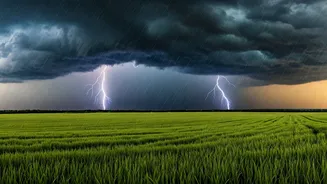




The Anxious Wait
The first few weeks of June 2026 were fraught with tension for the farming communities in Eastern India. The progress of the Southwest Monsoon had been sluggish, resulting in a significant rainfall deficit across the country. Jharkhand, for instance,
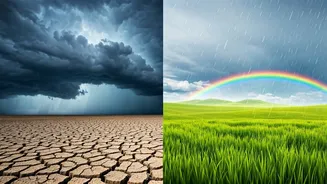
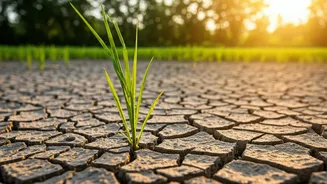
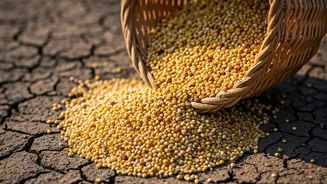
reported a staggering 61% rainfall deficit between June 1 and June 26, receiving just 59 mm of rain against a normal of nearly 150 mm. [23] Many districts faced acute shortages, with some recording deficits as high as 98%. [23] This prolonged dry spell, coupled with persistent heatwave conditions, delayed the crucial sowing preparations for the Kharif season, which is heavily dependent on timely monsoon rains. [16, 20, 28] With more than half of India's arable land being rain-fed, the delay caused widespread concern, prompting the central government to identify hundreds of districts vulnerable to the weak start of the monsoon. [21, 22]
A Timely Turnaround
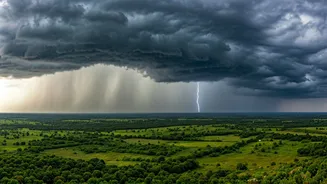
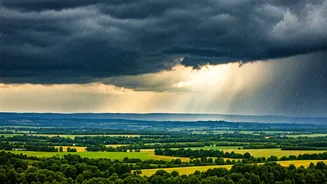
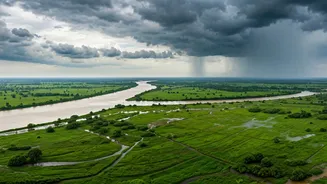
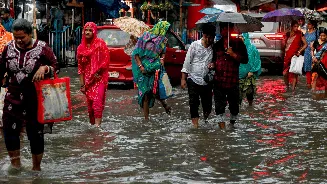
The last week of June has marked a critical turning point. The India Meteorological Department (IMD) confirmed that conditions have become favourable for the monsoon to advance and cover the remaining parts of both Jharkhand and Bihar. [11, 27] Widespread rainfall is now expected across the region, finally bringing the moisture needed to prepare the fields. [10] This arrival is more than just a weather event; it's an economic lifeline. The rains soften the parched earth, making it suitable for ploughing and planting. They replenish local water bodies and improve soil moisture, which is essential for the germination of seeds. For millions of farmers, this is the green signal they have been desperately waiting for to begin sowing major Kharif crops.
Kharif Hopes Reignited
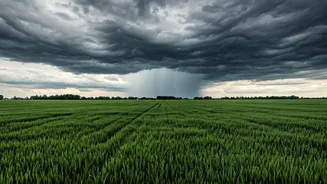
The success of the Kharif season in this region hinges almost entirely on paddy (rice), a water-intensive crop. The recent showers have reignited hopes for a successful paddy crop, along with other important staples like maize, pulses, and oilseeds. [20] Before the rains, the agricultural landscape was looking uncertain. Farmers in some rain-deficient areas were contemplating switching to crops that require less water and have shorter growth cycles. [28] The revival of the monsoon allows them to proceed with their traditional cropping patterns, which are vital for both their income and regional food security. Agricultural experts note that while the start has been delayed, a consistent and well-distributed rainfall over the next few weeks could help recover lost ground and ensure a healthy planting season. [27]
The Forecast Ahead
According to the IMD, fairly widespread to widespread rainfall is likely to continue over Jharkhand and Bihar into the first week of July. [11] The weather department has forecast heavy downpours in Bihar until June 30 and expects increased rainfall in Jharkhand from June 29 onwards. [11, 16] This sustained wet spell is crucial. While the initial showers provide immediate relief, the long-term health of the Kharif crops depends on consistent rain throughout their growth cycle. The current forecast provides a window of optimism, suggesting that the monsoon is not just passing through but setting in for its seasonal duration. The coming weeks will be critical in determining whether this initial relief translates into a bountiful harvest later in the year. [27]