


First Things First: Visas and Budget
Getting your documents in order is surprisingly straightforward. For Indian citizens, both Laos and Cambodia offer visa-on-arrival and e-visa options. The tourist e-visa for Cambodia is valid for 90 days, allowing a 30-day stay, and costs around $30-$35
USD. Laos offers a similar 30-day visa on arrival or an e-visa that is valid for 60 days from the date of issue. For budgeting, plan for around $25-$40 USD per day. This will comfortably cover a dorm bed, street food, local transport, and some activities. Laos has been experiencing inflation, but for travellers using USD, costs remain stable and affordable.
Laos: Finding Your Vibe in Luang Prabang & Vang Vieng
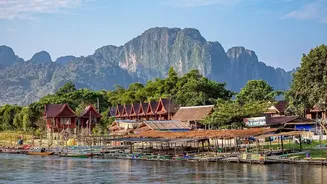
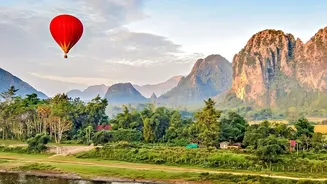
Laos is defined by its relaxed atmosphere. Start in Luang Prabang, a UNESCO World Heritage town known for its beautiful temples and the stunning Kuang Si Falls. For a social scene, check out hostels like Funny Riverside Backpackers or Mad Monkey Luang Prabang, which are known for their lively vibes and events. If you're seeking a quieter, more local experience, La Casa Nostra offers a homestay feel with communal dinners. Dorm beds generally range from $8 to $12 USD. From there, head south to Vang Vieng, the adventure capital nestled amid limestone karsts. It's the perfect place for tubing down the river, exploring caves, and hiking to viewpoints. Vang Vieng Chill House is a great option for a relaxed stay.
Overland in Laos: Buses, Boats, and Scenery
Getting around Laos is an adventure in itself. The most common way to travel between cities like Luang Prabang and Vang Vieng is by bus or minivan, with tickets costing between $8 and $20 USD depending on the distance. While domestic flights are available, they are significantly more expensive. For a classic Gen Z experience, consider the slow boat journey along the Mekong River, a two-day trip that offers unparalleled views and a unique way to see the country, costing around $35-$40. When booking buses, it's wise to use reputable companies and book at least a day in advance, especially during peak season.
The Border Crossing: From Laos to Cambodia
The main overland crossing from Laos to Cambodia is at the Veun Kham (Laos) – Dong Kralor (Cambodia) checkpoint. Most travellers book a through-ticket on a bus from a major town in southern Laos, like Pakse or Don Det, directly to a Cambodian city like Siem Reap. This journey can take the better part of a day. While convenient, be prepared for a somewhat chaotic process. Minivans might drop you near the border, where another vehicle on the Cambodian side will pick you up after you handle immigration. Keep small US dollar bills handy, as unofficial 'stamping fees' are common at this border.
Cambodia: Ancient Wonders and Bustling Cities
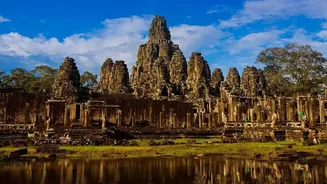
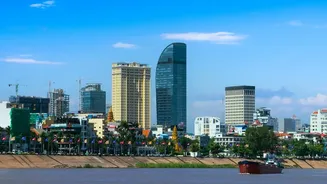
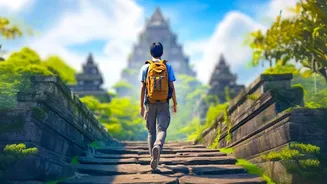
Your first stop in Cambodia will likely be Siem Reap, the gateway to the magnificent Angkor Wat temple complex. Beyond the temples, the city has a vibrant energy centered around Pub Street. For accommodation, Onederz Hostel is a popular choice for its clean facilities and rooftop pool, making it great for digital nomads and solo travellers alike. Mad Monkey Siem Reap is the go-to for party-seekers. After soaking in the history, take a 6-hour bus ride to the capital, Phnom Penh. This city offers a sobering look into Cambodia’s history at the Killing Fields and Tuol Sleng Genocide Museum, balanced by a lively riverfront and bustling markets. In Phnom Penh, The Place Hostel & Pool Bar is highly rated for its social atmosphere and comfort.
Pro Tips for the Modern Backpacker
Stay connected by purchasing an eSIM online before your trip, which saves you the hassle of finding a physical SIM card upon arrival. Eat like a local to save money; street food and night market meals often cost just $1-$3. When visiting temples, always dress modestly by covering your shoulders and knees. For getting around cities, ride-hailing apps like Grab are widely used and often cheaper than negotiating with tuk-tuk drivers. Finally, embrace the unexpected. Overland travel in Southeast Asia can be unpredictable, but the spontaneous detours and connections you make along the way are often the best parts of the adventure.