






The Bright Light Indicator
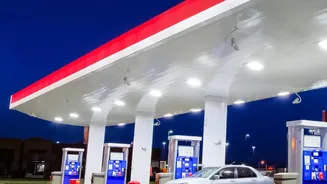
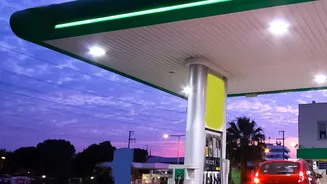
When you’re driving down a highway at dusk, the brightly lit dhabas naturally catch your eye. But good lighting is more than just an invitation; it’s a sign of confidence. A well-illuminated eatery suggests the owner has invested in their establishment
and, more importantly, has nothing to hide. Dirt, grime, and pests thrive in dark corners. Bright, clear lighting, especially around the seating area and kitchen entrance, indicates a basic commitment to cleanliness and transparency. It also enhances safety, making the stop feel more secure for families and solo travellers alike. An owner willing to spend on electricity to keep the premises visible is often one who pays attention to other details, including the quality of the food.
The Washroom Benchmark
This is the most time-tested trick in the book for judging a restaurant's overall hygiene, and it's doubly true for highway dhabas. Before you even look at a menu, make a trip to the washroom. The state of the toilets is often a direct reflection of the state of the kitchen. An establishment that maintains clean, well-stocked, and functional washrooms demonstrates a clear commitment to sanitation standards across the board. If the management can't be bothered to keep the public-facing areas clean, it's highly unlikely they are enforcing stricter hygiene practices behind the scenes where food is prepared. A clean washroom with running water and soap is a powerful green flag. A dirty, foul-smelling one is a clear signal to get back in your car and drive on.
Crowds and High Turnover
An empty restaurant with a vast, multi-page menu is a major red flag. How can they possibly keep ingredients for hundreds of dishes fresh, especially with no customers? The answer is, they can't. The best dhabas are almost always the busiest ones. A crowd, especially a mix of families and truck drivers, is the ultimate seal of approval. Truckers are highway veterans who know where to find the best and most reliable food. A busy establishment means high food turnover. Ingredients are bought fresh and used quickly, reducing the risk of spoilage and foodborne illness. A limited, focused menu is also a good sign; it suggests the kitchen specialises in a few dishes and makes them well, using fresh ingredients.
Trust Your Senses
Beyond these three main pillars, your own senses are your best guide. When you step out of the car, take a moment. Does the place smell of fresh cooking, or does it smell damp and sour? Observe the kitchen if you can. Look for chefs in relatively clean attire and tidy work stations. See if they are preparing food to order. Freshly cooked, piping hot food is always the safest bet, as the heat kills most harmful bacteria. Avoid raw items like salads, pre-cut fruit, or chutneys that have been sitting out, unless you are absolutely confident in the establishment's hygiene. Packaged items like bottled water or sealed curd pouches are generally safer choices.