
More Than a Meal, It's an Experience
Destination dining traditionally meant a restaurant so special it was worth a dedicated journey. Think of remote restaurants in the hills or exclusive seaside spots. Today, the definition is expanding. It’s less about exclusivity and more about the pursuit
of a unique culinary experience. This shift is driven by a growing desire among diners, especially in urban India, for food that tells a story and creates a memory. People are looking for more than just a dish; they want an event, a vibe, and a connection to the food they eat. This is where food festivals have stepped in, transforming from simple collections of stalls into powerful platforms for culinary discovery.
The Festival-Restaurant Connection
Food festivals like Delhi’s Horn OK Please and the multi-city Zomaland have become essential marketing tools for restaurants. For a restaurant, setting up a pop-up stall at a bustling festival is like opening a temporary front door to thousands of potential new customers. These events attract a diverse crowd of food enthusiasts who are actively looking to explore new flavours. It's a symbiotic relationship: festivals gain credibility and a high-quality food lineup by featuring popular and emerging restaurants, while restaurants get unparalleled brand exposure in a high-energy environment. This setup allows eateries to showcase their culinary identity to a captive audience eager to eat, post on social media, and discover their next favourite spot.
From a Festival Bite to a Restaurant Booking
The magic of the festival model lies in its power to convert a curious taster into a loyal patron. A fantastic plate of kebabs or a perfectly crafted waffle from a festival stall serves as a real-world sample. If a diner loves what they taste, they are highly likely to seek out the restaurant’s permanent location for the full experience. Organisers confirm this, noting that festivals help build a tangible connection between restaurants and users. This strategy is a low-risk way for restaurants to test new menu items and get immediate feedback. It also helps them reach customers who might never have otherwise walked through their doors, effectively turning a weekend pop-up into a long-term customer acquisition channel.
A Showcase for India's Culinary Diversity
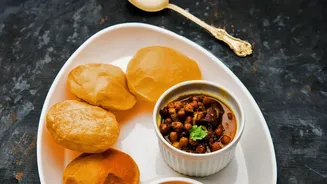
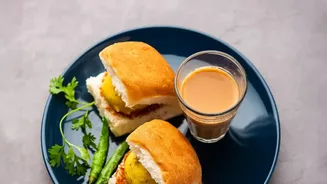
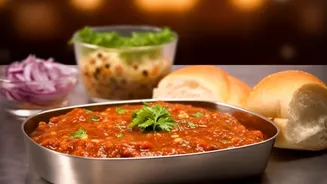
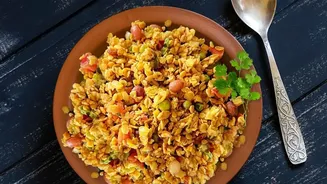
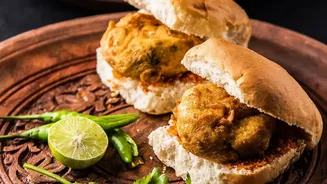
These festivals are not just for big-name chains. They provide a platform for a wide range of food businesses, from outlets specialising in regional Indian cuisines to those offering innovative fusion dishes. At an event like Horn OK Please, you can find stalls serving everything from authentic Purani Dilli style biryani and Mumbai's iconic vada pav to inventive soya keema momos. This variety allows diners to go on a culinary journey across the country in a single afternoon. By providing this stage, festivals are helping to promote and preserve India's rich and diverse food culture, moving the conversation beyond generic curries and showcasing the unique flavours of different states and communities.
The Future of Eating Out
The rise of festival-driven dining is more than a passing trend; it reflects a fundamental shift in how people want to eat and socialize. These events blend food with music, shopping, and entertainment, creating a holistic experience that a traditional restaurant visit often can't match. They serve as incubators for new culinary concepts and a launchpad for up-and-coming chefs. As Zomato's foray into live events with Zomaland shows, the line between online discovery and offline experience is blurring. The goal is to encourage people to dine out more by making it an exciting, community-focused activity.