





The Sedentary Struggle
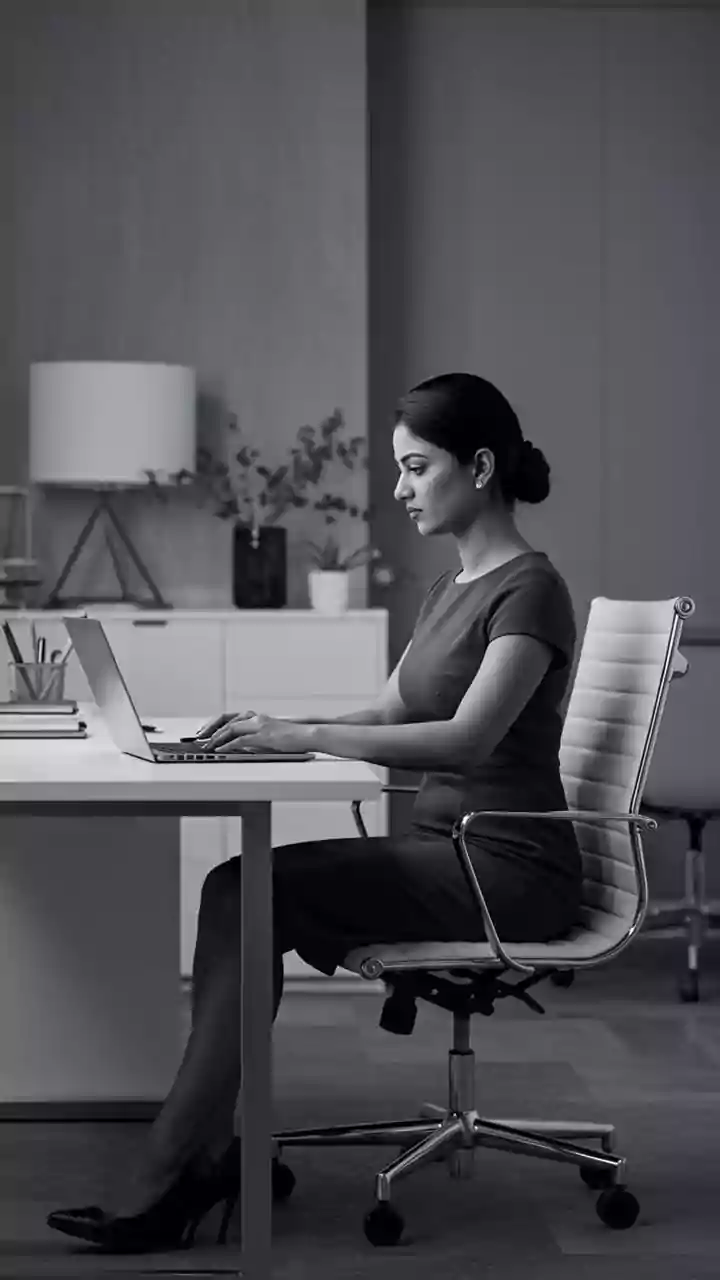
For many professionals in India and across the globe, an eight-hour (or longer) workday is the norm. The bulk of this time is spent sitting: at a desk, in meetings, and during commutes. This prolonged period of physical inactivity, often called a sedentary
lifestyle, takes a significant toll. The immediate effects are familiar to most—a stiff neck, tight shoulders, and an aching lower back. But beneath the surface, more is happening. Our bodies are not designed for such long stretches of inactivity. Without regular movement, circulation slows, muscles tighten, and our metabolism can be negatively affected, increasing the risk for a host of health issues down the line, including high blood pressure and blood sugar.
The Power of the 'Movement Snack'
The antidote to prolonged sitting is surprisingly simple: brief but frequent 'movement snacks'. This doesn't mean you need to run a marathon on your lunch break. Research increasingly shows that even short walks, taken consistently throughout the day, can dramatically offset the negative effects of sitting. Studies have explored various schedules, but a common finding is that a five-minute walk for every 30-60 minutes of sitting can yield significant benefits. The key isn't the intensity or duration of one single activity, but the act of regularly interrupting the sedentary period. This simple change sends important signals to your body, reactivating systems that go dormant when you're still.
Restarting Your Circulatory Engine
When you sit for a long time, blood flow to your legs can decrease, causing fluids to pool. This is why your feet might feel slightly swollen or your legs might feel heavy after a long day. A short walk acts like a pump. The simple act of contracting your leg muscles helps push blood back up towards your heart, improving overall circulation. Better circulation means more oxygen and nutrients are delivered to all your tissues, including your brain. This can lead to improved energy levels and a reduction in that feeling of afternoon fatigue. Furthermore, studies have shown that these short walking breaks can significantly lower blood pressure and help regulate blood sugar levels, reducing spikes after meals by as much as 58%.
Unlocking Stiff Muscles and Joints
Our bodies are designed for movement. When we stay in one position, especially the forward-hunched posture common at desks, certain muscles become chronically tight while others weaken. The hip flexors shorten, the hamstrings tighten, and the muscles in the back and neck become strained. Walking helps to counteract this by engaging these muscle groups and taking them through their natural range of motion. It acts as a dynamic stretch, easing stiffness and reducing tension. Even a few minutes of movement helps lubricate the joints, preventing the creakiness that can set in after hours of being static. This frequent resetting of your posture and muscle activation is crucial for preventing chronic pain.
A Refresh Button for Your Brain
The physical benefits of walking breaks are profound, but the mental advantages are just as important. Have you ever stared at a screen until the words blur? That's mental fatigue. A brief walk provides a necessary reset for your brain. Stepping away from a task helps improve focus and concentration when you return. Studies have found that all tested walking regimens led to significant decreases in fatigue and improvements in mood. This mental refresh can spark creativity and enhance problem-solving skills. People tend to repeat behaviours that feel good, and the immediate boost in mood and energy from a quick walk makes it a habit that's easier to stick with.
Making It a Realistic Habit
The thought of adding something new to a busy schedule can be daunting, but integrating walking breaks is easier than it sounds. Set a timer on your phone or computer for every 30 or 60 minutes as a reminder to get up. Your walk doesn't have to be a formal lap around the building. It can be a walk to the water cooler, a trip to a colleague's desk instead of sending an email, or simply walking up and down a flight of stairs. If you take phone calls, use them as an opportunity to pace around your office or home. The goal is to make these short bursts of movement a non-negotiable part of your workday rhythm.