


Why the Monsoon Magnifies Food Risks
The primary culprit during the rainy season is humidity. Increased moisture in the air allows microorganisms like bacteria, yeast, and mould to thrive and multiply at an accelerated rate. This means food left at room temperature, even for a short period,
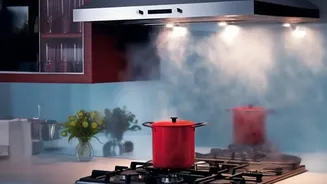
spoils much faster than it would in drier weather. The temperature range of 5°C to 60°C is considered the “danger zone” where bacteria grow most rapidly. During the humid monsoon, food can enter this zone quickly, increasing the risk of foodborne illnesses like gastroenteritis, typhoid, and cholera, which see a spike during this season. Simple acts like leaving food on the counter to cool for too long can become significantly riskier.
The Golden Rule: Reheat Just Once
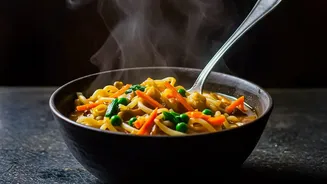
Food safety authorities, including the Food Safety and Standards Authority of India (FSSAI) and the UK's NHS, strongly recommend reheating leftovers only once. While technically you can reheat food multiple times as long as it reaches an internal temperature of at least 75°C each time, it's not advisable. Each cycle of cooling and reheating provides a new opportunity for bacteria to multiply. This repeated exposure to the temperature danger zone increases the risk of contamination. Furthermore, the quality of the food—its taste, texture, and nutritional value—degrades with every reheating cycle, often leaving it dry or overcooked. The best practice is to only heat the portion you intend to eat immediately.
The Clock is Ticking: Storage Timelines
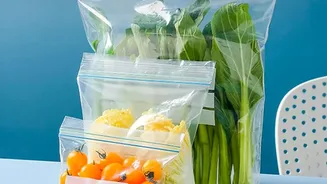
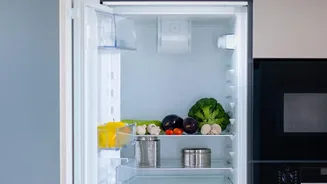
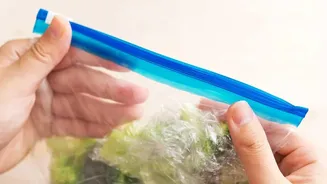
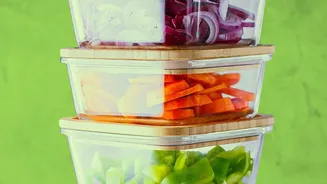
Proper storage is your first line of defence. As a rule, perishable foods should not be left at room temperature for more than two hours. During the monsoon, it's wise to be even more stringent. Cool leftovers as quickly as possible and get them into the refrigerator. Don't place large, hot pots directly into the fridge, as this can raise the internal temperature and endanger other foods. Instead, portion the food into smaller, shallow containers to speed up cooling. Once refrigerated, most leftovers should be consumed within two to three days. If you don't plan on eating them within that window, your best bet is to freeze them, which extends their life significantly.
Handle These Foods with Extra Care
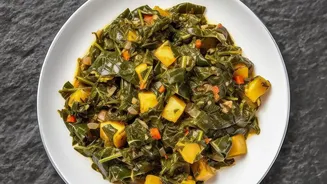
Some foods are more prone to causing issues when reheated. Cooked rice is a well-known risk; it can contain spores of a bacterium called Bacillus cereus, which can survive cooking. If rice is left at room temperature, these spores can grow into bacteria that produce toxins, which are not destroyed by reheating. Other high-risk foods include potatoes, mushrooms, chicken, and leafy greens like spinach. It's also crucial to avoid mixing freshly cooked food with older leftovers in the same container before reheating, as this can lead to cross-contamination. The FSSAI advises reheating them separately and only combining them after both are heated through.
Trust Your Senses, But Be Cautious
Your senses are a good initial tool for detecting spoilage. Always inspect leftovers before heating them. Look for signs of mould, which can appear as fuzzy spots of white, green, or black. Sniff the food for any off, sour, or unusual odours. A change in texture, such as a slimy film on meat or vegetables, is another clear warning sign. However, it's important to remember that many harmful bacteria, including Salmonella and E. coli, do not change the look, smell, or taste of food. This is why adhering to the reheating and storage guidelines is so critical. When in doubt about the safety of a leftover dish, especially during the high-risk monsoon season, the safest choice is always to throw it out.