



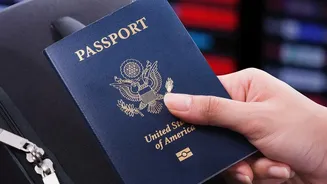


What makes a passport 'happy'? It's not just about how many borders you can cross. A new wave of rankings considers quality of life, freedom, and prosperity, creating a more holistic measure of a passport's power.
Beyond Just Visa-Free Travel
For years, passport power has been defined
by a single metric: visa-free access. Indices like the well-known Henley Passport Index focus exclusively on how many countries a holder can visit without a prior visa. However, a new concept, the 'Happy Passport,' is gaining traction. It argues that true passport value combines mobility with factors like wellbeing, personal freedom, safety, and economic prosperity. The Happy Passports Index by Global Citizen Solutions, for example, gives equal weight to four pillars: wellbeing, freedom at home, mobility, and prosperity, health, and safety, offering a more rounded view of what makes a nationality desirable.
1. Finland: The Reigning Champion
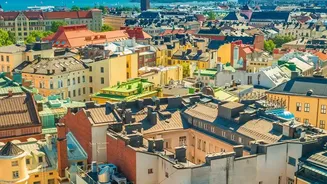
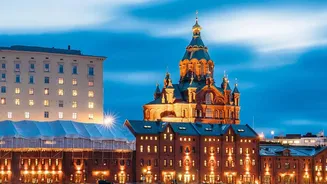
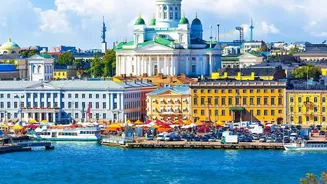
Topping the Happy Passports Index for 2026 is Finland, with a score of 93.2 out of 100. While its passport provides excellent mobility, the country's top ranking is bolstered by exceptionally high scores for personal freedom and wellbeing. This reflects a broader trend seen across the top of the list: once a certain high level of travel freedom is achieved, it's the quality of life at home that really sets the best passports apart. Finland's consistent performance in global happiness reports contributes significantly to its passport's 'happy' status.
2, 3, and 4. Iceland, Denmark, and Norway
The Nordic nations continue their dominance with Iceland, Denmark, and Norway rounding out the top four. Iceland scores remarkably well for freedom and safety, while Denmark is noted for being a top performer across all four pillars of the index. This consistent excellence highlights that for these nations, a powerful passport is a reflection of a stable, free, and prosperous society. It's not just an access document but a symbol of the high quality of life its citizens enjoy.
The New Entrants: Sweden and The Netherlands
The headline-makers, Sweden and the Netherlands, have firmly cemented their places within the global elite. Sweden has performed exceptionally well in recent comprehensive rankings, even topping the Global Passport Index, which also weighs quality of life and investment opportunities heavily. In that index, the Netherlands shares a strong 5th place. Their inclusion in the top tier of 'happy' passports is driven by a powerful combination of extensive visa-free travel, robust civil liberties, economic stability, and high living standards. They exemplify the principle that a top-tier passport is about both global access and a desirable home country.
The Rest of the Top 10
The top of the passport rankings is a distinctly European affair, with countries like Switzerland, Germany, Ireland, and the United Kingdom consistently appearing in the top 10 of various holistic indices. The only non-European nation to frequently break into this elite group is Singapore. What unites these countries is a blend of strong diplomatic ties, which secure travel freedom, and stable, prosperous domestic environments. Singapore, for instance, has the world's most powerful passport based on visa-free access alone but also scores highly for prosperity and safety, though less so for personal freedoms.
Why Mobility Alone Isn't Everything
The 'Happy Passport' concept reveals that some countries with powerful travel documents don't necessarily have the happiest citizens. For example, while passports from Italy and Spain grant access comparable to their Nordic counterparts, these nations rank lower on metrics like life evaluation and perceived freedom. This suggests that among wealthier countries, happiness correlates more strongly with freedom and quality of life than with pure passport strength. A passport offers the choice to leave, but the 'happiest' ones belong to countries people are glad to call home.