




Why the Northeast, Why Now?
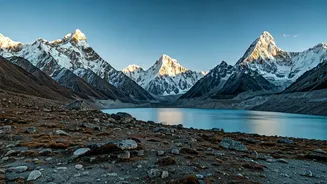
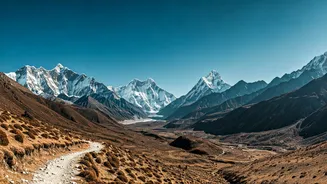
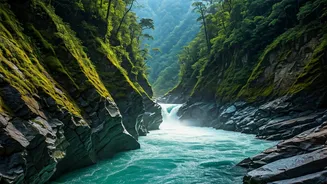
The trend isn't just about beautiful landscapes; it's a shift in mindset. Young Indians are moving away from checklist tourism towards immersive experiences. The Northeast offers just that. It's a region where nature is still raw, cultures are distinct,
and the pace of life invites introspection. For a generation grappling with digital burnout, the limited connectivity in some of these remote areas is not a bug, but a feature. It’s an opportunity to disconnect from the world and reconnect with oneself. The appeal lies in the challenge and the reward: navigating unfamiliar terrain, meeting people from vastly different backgrounds, and discovering a sense of self-reliance that a packaged tour could never provide.
Key Valleys on the Solo Backpacker's Map
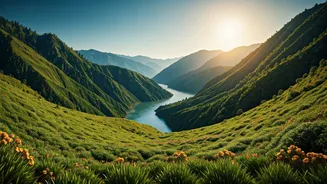
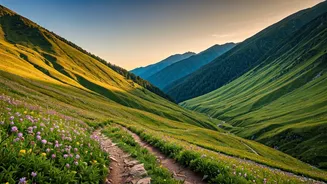
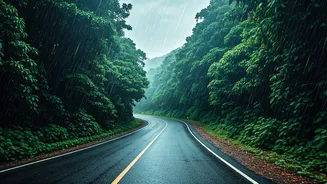
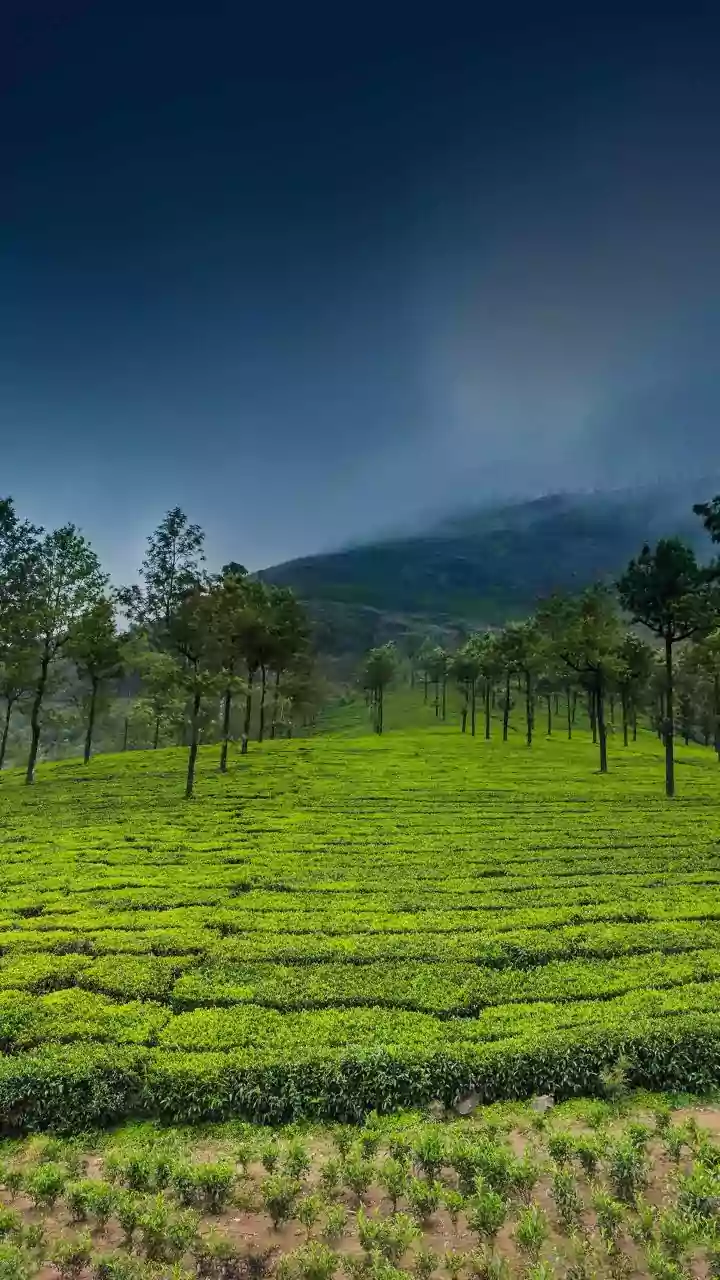
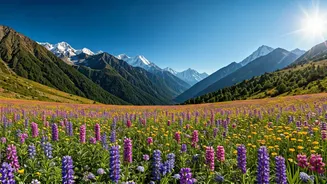
While the entire region is a treasure trove, a few valleys have become iconic starting points for solo journeys. **Dzukou Valley, Nagaland/Manipur:** Famous for its rolling hills blanketed in seasonal flowers, Dzukou is the ultimate test of endurance and a visual spectacle. The trek is challenging, but the sense of camaraderie among fellow hikers in the communal dorms is a core part of the experience. **Ziro Valley, Arunachal Pradesh:** Home to the Apatani tribe, Ziro offers a unique blend of cultural immersion and natural beauty. It's less about gruelling treks and more about cycling through paddy fields, living in traditional homestays, and understanding a unique way of life. The annual Ziro Music Festival has also put it firmly on the youth map. **Yumthang Valley, Sikkim:** Known as the 'Valley of Flowers', Yumthang in North Sikkim is breathtaking. While access is more regulated, its accessibility from Gangtok makes it a popular choice for those new to the Northeast. The journey itself, through winding mountain roads, is an adventure.
The Homestay Advantage
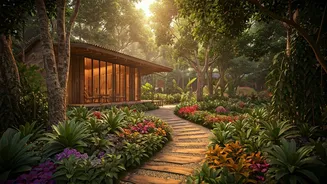
Hotels are few and far between in many of these remote valleys, and that’s a blessing. The backbone of the solo backpacking experience is the homestay. Staying with a local family is not just a budget-friendly option; it's the heart of the journey. It’s where you’ll eat authentic local food, hear stories you won’t find in any guidebook, and get the best tips on hidden trails. For solo travellers, especially women, a good homestay provides a crucial layer of security and a local support system. Hosts often become your de facto guides and guardians, making the experience feel less solitary and more like visiting a distant family.
Navigating Permits and Packing
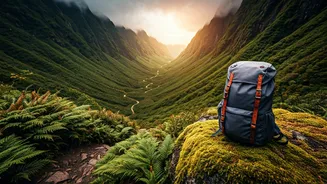
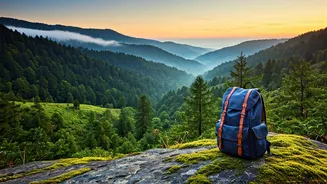
Spontaneity is great, but the Northeast requires some planning. States like Arunachal Pradesh, Nagaland, and Mizoram require an Inner Line Permit (ILP) for domestic tourists, which can easily be applied for online. Always check the latest requirements before you travel. When it comes to packing, think in layers. The weather can change in an instant. A waterproof jacket, a warm fleece, sturdy trekking shoes, and quick-dry clothing are non-negotiable. A power bank is your best friend, as electricity can be erratic. Most importantly, pack light. You'll thank yourself on that uphill climb to your homestay.
Staying Safe as a Solo Traveller
The Northeast is widely regarded as one of the safer regions for solo travellers in India, thanks to the warmth and hospitality of its people. However, basic precautions are always wise. Share your itinerary with family or friends back home. Keep your homestay host informed of your daily plans. Respect local customs and dress modestly, especially when visiting monasteries or villages. While you may want to disconnect, ensure you have at least one reliable network (like BSNL) for emergencies. Trust your gut—if a situation feels uncomfortable, remove yourself from it. The biggest safety tool is awareness and respect for the local culture.