




The Economics of 'Good Enough' Space
Let’s be honest: this trend isn’t just about aesthetics; it’s rooted in economics. With property prices in metropolitan hubs like Mumbai, Bengaluru, and Delhi reaching dizzying heights, the dream of a large home is becoming mathematically impossible for
many young professionals and families. Urbanisation and land inflation mean that compact apartments are no longer a temporary stopgap but a permanent reality. However, instead of seeing this as a compromise, a growing number of Indians are reframing it as an opportunity. The conversation is shifting from 'how much space' to 'what kind of space'. The budget that might have once been stretched thinly over a larger, lower-quality property is now being strategically invested into a smaller footprint, with a focus on creating a premium living experience.
From Status Symbol to Personal Sanctuary
The definition of luxury itself is undergoing a quiet but significant transformation. The old marker of status—a massive formal drawing room used only for guests—is being replaced by spaces designed for daily comfort and personal well-being. Today’s homeowners value a cozy reading corner, a well-organized kitchen, or a serene balcony far more than an impersonal guest area. The home is increasingly seen as a sanctuary from the stresses of urban life. This shift means that value is now placed on things that improve everyday living: functional layouts, excellent natural light, and a sense of calm. The ultimate luxury is no longer about ostentatious display but about the quality of personal experience and emotional comfort.
The Rise of Smart and Functional Design
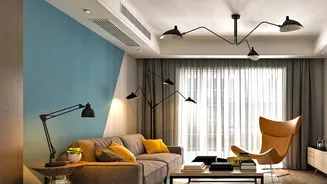
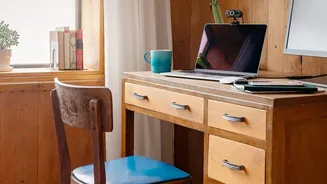
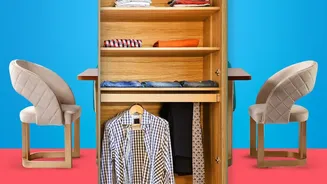
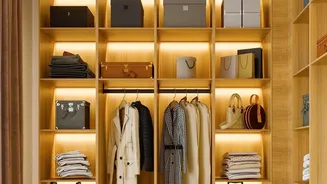
Making a smaller space work beautifully requires intelligence and intention. This is where smart design comes in, with multifunctionality at its core. Furniture that serves multiple purposes is no longer a niche product but a mainstream necessity. Think sofa-beds that transform a living room into a guest room, dining tables that expand when needed, and beds with hydraulic storage that swallow up clutter. Designers are also emphasizing vertical space, using floor-to-ceiling shelving and wall-mounted units to draw the eye upward and free up precious floor area. The goal is to reduce friction in daily life by optimizing movement, storage, and flexibility. A well-designed compact home feels calm and intentional, not crowded.
Investing in Quality, Not Just Quantity
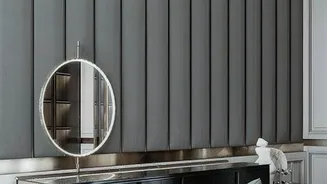
This new mindset champions investing in fewer but better things. The focus is on high-quality materials, durable finishes, and timeless pieces that last. Homeowners are moving away from 'fast fashion' interiors, which look good on Instagram but quickly wear out, and embracing a 'slow interiors' philosophy. This involves choosing finishes that can withstand the rigors of Indian household life, such as humidity and frequent use. For instance, the right finish on a door or cabinet can make a space feel refined and elegant, creating visual continuity. It’s a move toward sustainability and conscious consumption, where people prefer to invest in a single, well-crafted piece rather than a room full of disposable items. This approach values longevity and personal stories over fleeting trends.
A Reflection of a New Confidence
Ultimately, choosing a refined interior over a bigger house reflects a new kind of confidence. It’s an understanding that the quality of one's life isn't dictated by the size of their home but by the quality of the environment they create within it. This trend signals a maturing of tastes, where personal well-being, functionality, and thoughtful aesthetics are the new aspirational goals. It's not about settling for less space; it's about actively choosing to live better in the space you have. Developers are also taking note, planning modern layouts that include flexible nooks for work and relaxation, recognizing that a home's value lies in its ability to support a modern, dynamic lifestyle.