



What Are Functional Movements?
Functional training involves exercises that train your body for activities you perform in daily life. Instead of isolating one small muscle at a time, like with a bicep curl, functional movements engage multiple joints and muscle groups simultaneously.
Think about the natural ways you move: squatting to pick something up, pushing a heavy door, or carrying bags. These exercises are designed to improve your ability to perform these tasks with greater efficiency and a lower risk of injury. The goal is to develop a body that's not just strong in the gym, but capable and resilient in the real world.
The Real-World Benefits
The 'why' behind functional fitness is compelling. It builds overall strength and power by reinforcing the exact movement patterns you use every day. This leads to better balance, stability, and coordination, which can help prevent falls and awkward stumbles. Furthermore, by using multi-joint movements, you improve flexibility and mobility, which can alleviate the stiffness and aches that come from a sedentary lifestyle. Perhaps most importantly, it reduces the risk of injury, both in and out of the gym, by strengthening the core and supporting muscles that protect your spine and joints.
The Core Movement Patterns
Most functional movements can be grouped into a few essential patterns. By learning to perform each one correctly, you can build a comprehensive and balanced routine. The key patterns are: - Squat: This involves bending your knees and hips to lower your body, mimicking sitting down or lifting a low object. It strengthens your quads, glutes, and core. An example is a simple bodyweight squat or a goblet squat holding a dumbbell. - Hinge: This is the motion of bending at your hips while keeping your back straight, like when you deadlift. It's crucial for strengthening your hamstrings, glutes, and lower back. Kettlebell swings are a classic hinge movement. - Push: This includes any movement where you push weight away from your body, either horizontally (like a push-up) or vertically (like an overhead press). - Pull: The opposite of a push, this involves pulling weight towards your body. Think of starting a lawnmower or doing a dumbbell row. This pattern strengthens your back and biceps. - Lunge: A lunge is a single-leg movement that improves balance and unilateral strength. It mimics actions like stepping up or taking a long stride. - Carry: This is as simple as it sounds—carrying a heavy object. Farmer's walks, where you carry a dumbbell in each hand and walk, build grip strength, core stability, and endurance.
Building Your Simple Routine
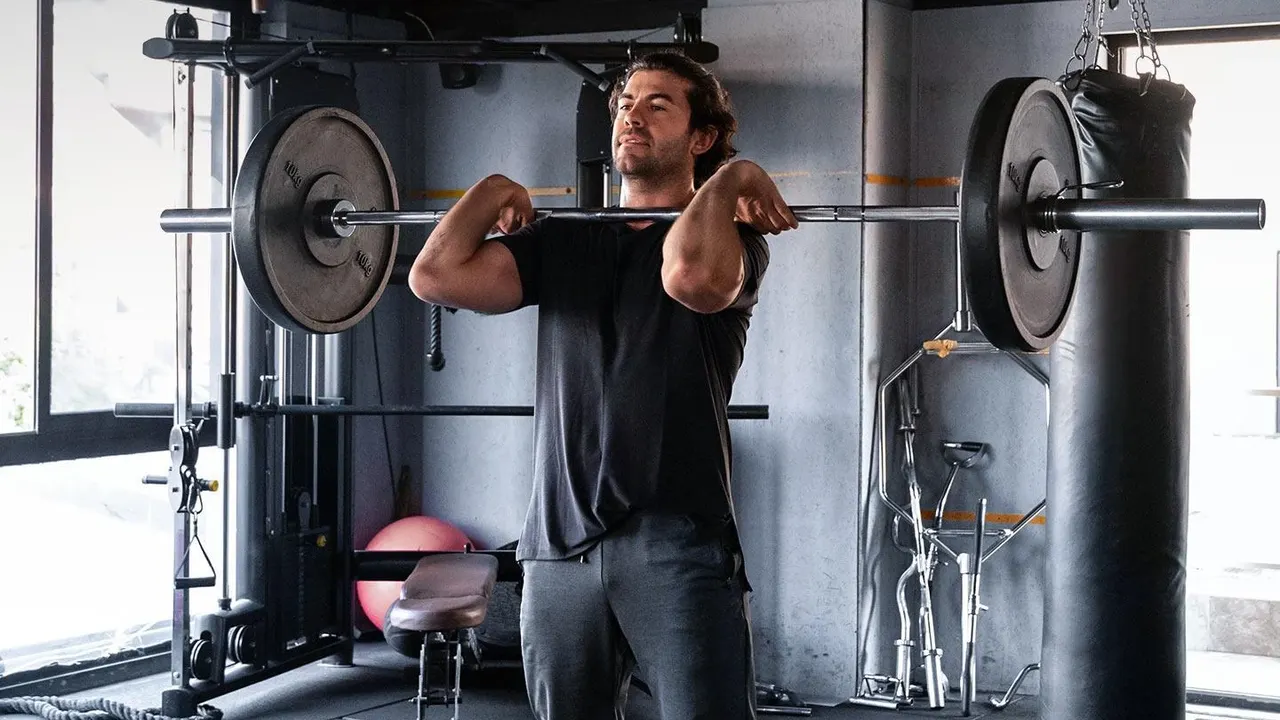
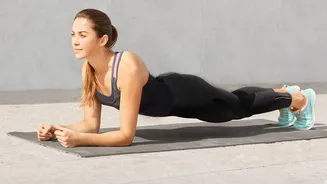
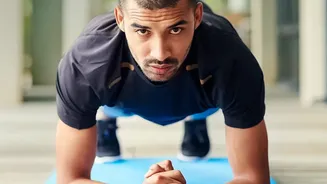
You don't need a complicated plan to get started. A great functional routine can be done two to three times a week on non-consecutive days. For each workout, aim to include one exercise from most of the core movement patterns. This ensures you're training your whole body in a balanced way. A sample full-body workout might look like this: 1. Goblet Squats (Squat): 3 sets of 8-12 reps. 2. Push-Ups (Push): 3 sets of as many reps as you can manage with good form. 3. Dumbbell Rows (Pull): 3 sets of 8-12 reps per arm. 4. Alternating Lunges (Lunge): 3 sets of 10-15 reps per leg. 5. Plank (Core): 3 sets, holding for 30-60 seconds. 6. Farmer's Walk (Carry): 3 sets, walking for 30-45 seconds. Rest for about 60-90 seconds between sets. This entire routine can be completed in under 45 minutes and requires minimal equipment.
Focus on Form and Progression
With functional exercises, quality is always more important than quantity. Focus on mastering the correct form for each movement before you think about adding more weight. Poor form not only negates the benefits but also significantly increases your risk of injury. Start with just your body weight to learn the patterns. As you get stronger, you can progress in a few ways: increase the number of repetitions or sets, add weight (using dumbbells, kettlebells, or resistance bands), or move to a more challenging variation of the exercise. Listening to your body is key; soreness is normal, but sharp pain is a signal to stop and reassess.