
The Mounting Problem with Plastic
For years, the convenience of food delivery has come with a hidden cost: a mountain of single-use plastic containers. India generates millions of tonnes of plastic waste annually, with a significant portion coming from the food and retail sectors. These
plastic boxes, while cheap and functional, clog drains, pollute rivers, and overwhelm landfills, where they can take hundreds of years to decompose. The environmental impact is undeniable, and as consumer awareness grows, so does the demand for a better, greener way. This pressure, combined with stricter government regulations on plastics, has forced the food industry to seek out sustainable alternatives that don't compromise on quality or convenience.
Enter Sugarcane Bagasse: A Sweet Solution
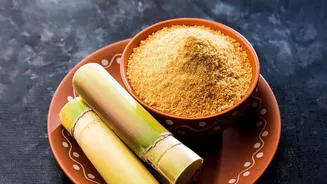
The answer, it turns out, lies in an agricultural byproduct that India has in abundance. Sugarcane bagasse is the fibrous residue left over after sugarcane stalks are crushed to extract their juice. For years, this material was often burned or discarded, contributing to air pollution. Now, innovators are transforming this waste into a valuable resource. Through a process of pulping and moulding, bagasse is turned into sturdy, reliable food containers. This creates a circular economy, turning agricultural waste into eco-friendly packaging, a concept that companies like CHUK and Cane India are pioneering.
The Benefits Beyond the Box
Bagasse packaging isn't just a token green alternative; it's highly functional. These containers are naturally water and grease resistant, making them suitable for a wide range of Indian dishes, from curries to biryanis. They are also microwave and freezer safe, offering the same convenience as their plastic counterparts. Most importantly, bagasse is 100% biodegradable and compostable. Unlike plastic, which lingers in the environment for centuries, bagasse containers can break down naturally in a matter of months under the right conditions, returning to the soil without leaving harmful residues. This dramatically reduces a restaurant's carbon footprint and helps combat the landfill crisis.
How Delivery Giants Fuel the Shift
Individual restaurants can only do so much, but large delivery networks have the scale to drive industry-wide change. Zomato, a major player in India's food delivery market, has been actively promoting the switch to sustainable packaging. Their 'Plastic-Free Future Program', started in December 2024, has recognised over 10,000 restaurants for adopting alternatives like bagasse. To make the transition easier, Zomato recently launched PackSwitch, an online platform that helps restaurants identify the best type of sustainable packaging for their specific dishes and connects them with a network of over 100 verified suppliers. Users on the app can now also filter for restaurants that use 'Low Plastic Packaging', empowering them to make more eco-conscious choices. These initiatives create visibility for green restaurants and provide the logistical support needed to make a switch viable.
Challenges on the Path to Greener Deliveries
Despite the clear benefits, the transition to bagasse is not without its hurdles. The primary challenge is cost. Sustainable packaging can be more expensive than plastic, a cost that can be difficult for small restaurants to absorb and that consumers may be hesitant to pay. There are also supply chain complexities. While India is a top sugarcane producer, much of the bagasse is used for other purposes, like power generation, creating a supply gap for packaging manufacturers. This can lead to inconsistencies in availability and price. However, as adoption increases, economies of scale are expected to bring down costs, making bagasse a more affordable option for everyone.