

The Classic We Know and Love
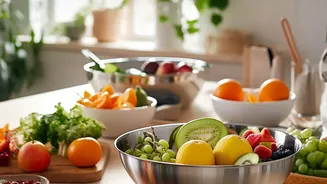
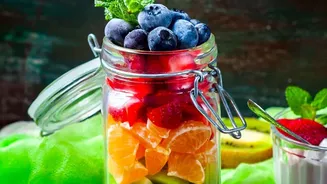
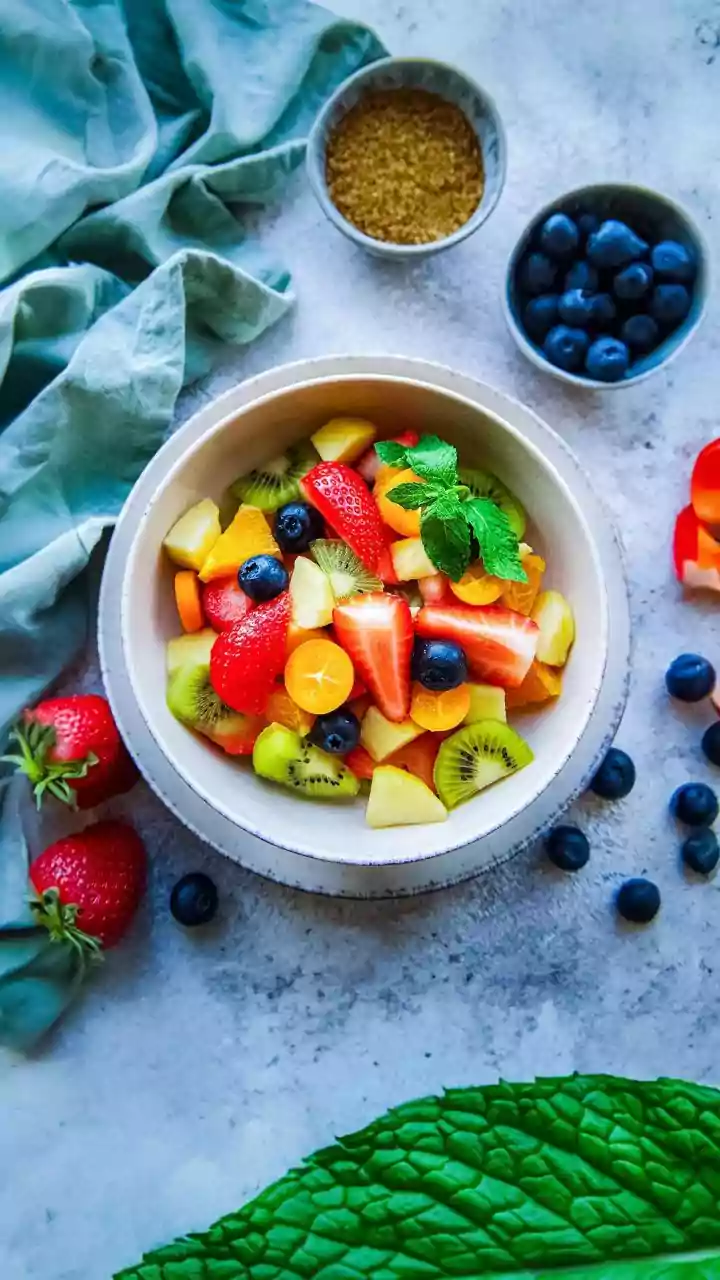
For generations, fruit chaat has been a staple of Indian street food culture. Traditionally, it’s a simple, refreshing, and flavour-packed medley. A vibrant mix of seasonal fruits like bananas, apples, guavas, and pomegranate seeds are chopped and tossed
together. What makes it 'chaat' is the quintessential spice blend sprinkled on top: chaat masala. This magical powder, with its notes of tangy dried mango (amchur), funky black salt (kala namak), and roasted cumin, delivers a complex sweet, salty, and sour punch that elevates the simple fruit into a culinary experience. It’s the go-to snack for a light refreshment, a palate cleanser after a heavy meal, or a festive treat during holidays like Diwali and Ramadan.
The Modern Kitchen Takeover
While the classic version remains a favourite, a new wave of culinary creativity is sweeping through Indian homes. The modern home cook, more globally connected and health-conscious than ever, is reimagining what fruit chaat can be. It's no longer just a quick snack but a dish worthy of experimentation. This evolution is driven by a desire for personalised flavours, healthier options, and Instagram-worthy presentations. The kitchen has become a laboratory where tradition meets global trends, and the humble fruit chaat is the star subject.
New Textures and Unexpected Twists
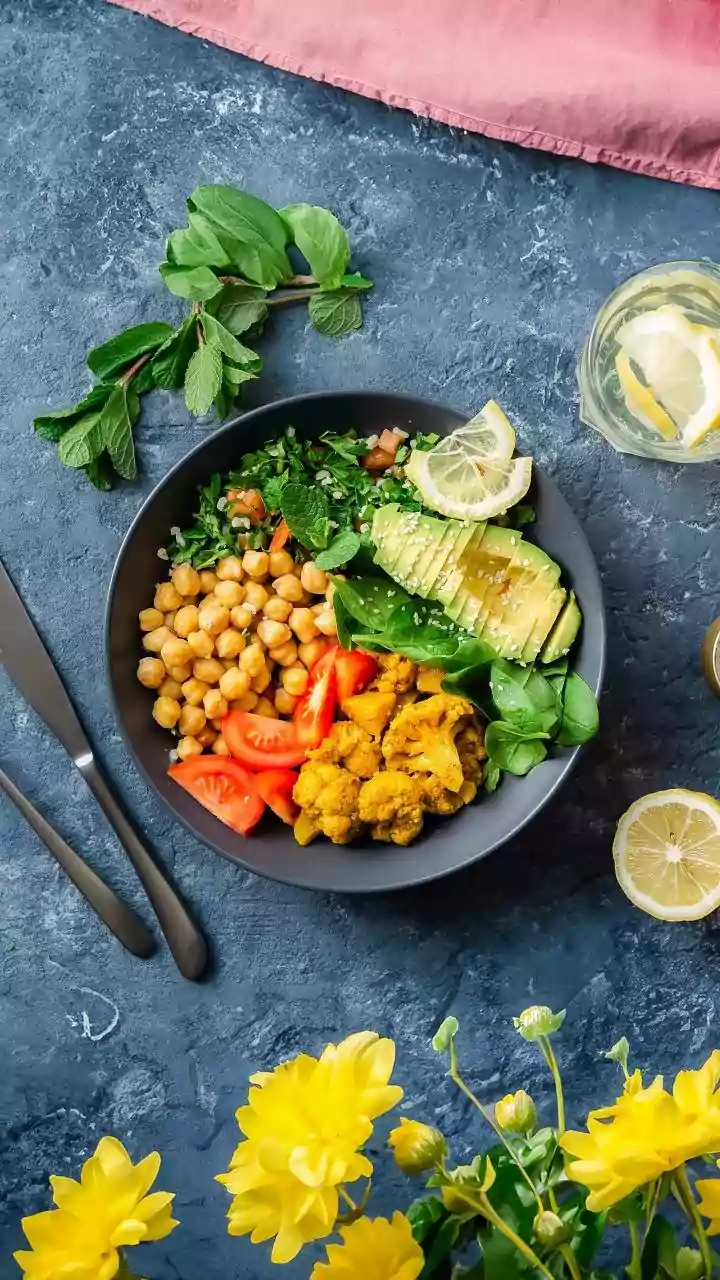
The new-age fruit chaat is all about textural play and surprising flavour pairings. The core idea is to add layers of complexity. Toasted nuts like almonds and walnuts or seeds like pumpkin and sunflower are being added for a welcome crunch. Some adventurous cooks are even incorporating ingredients like boiled chickpeas for a heartier, more filling chaat. Another popular trend involves preparation methods that alter texture, such as grilling or tandoor-roasting fruit chunks like pineapple and apple to give them a smoky flavour. A recent viral innovation is the 'shaved fruit chaat', where frozen fruits are grated to create a light, sorbet-like base that melts in your mouth.
Globally Inspired Flavour Profiles
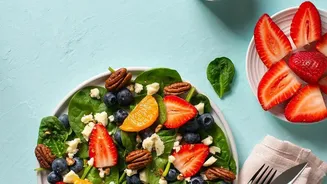
The flavour palette is also expanding far beyond the traditional chaat masala. Home cooks are borrowing from other cuisines to create exciting fusions. A drizzle of balsamic glaze can add a deep, sweet-and-sour note that complements fruits like strawberries and figs. Crumbled feta or goat cheese introduces a creamy texture and a savoury, salty counterpoint to the sweetness of mangoes or watermelon. Fresh herbs are also playing a bigger role; while mint has always been a classic addition, herbs like basil and even cilantro are making appearances, adding fresh, aromatic notes. Some versions even see a splash of fresh orange or pineapple juice to create a light, tangy dressing that coats the fruit.
How to Create Your Own Combination
The beauty of the modern fruit chaat lies in its flexibility—there are no strict rules. Start with a base of your favourite seasonal fruits. Think about a balance of textures: something soft (banana, papaya), something crisp (apple, pear), and something juicy (orange, watermelon). Next, think about your flavour profile. Do you want to stick to the classic chaat masala or try a simple dressing of lemon juice, honey, and black pepper? Then, add your creative layer. This could be a handful of toasted seeds, some crumbled paneer for a local touch, or even a few dried cranberries for chewiness. The goal is to balance the 'chatpata'—the quintessential tangy, spicy, sweet, and savoury—flavour profile that defines all chaat.