






What’s in the Smog That Hurts Your Eyes?
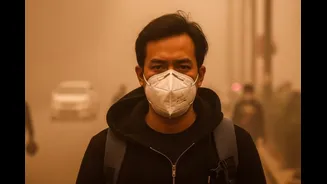
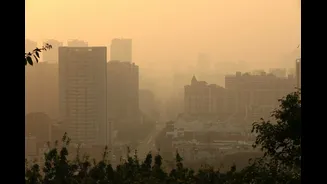
Delhi's smog is a complex cocktail of harmful pollutants. The most notorious is Particulate Matter (PM2.5) — microscopic particles from vehicle exhaust, industrial emissions, and crop burning that are small enough to infiltrate deep into our bodies. Other
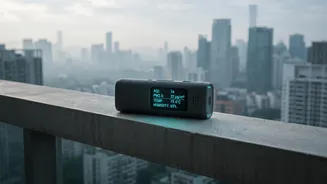
key irritants include nitrogen dioxide (NO2), sulfur dioxide (SO2), carbon monoxide (CO), and ground-level ozone (O3). When the AQI crosses 200, as it did this week, it signifies a high concentration of these pollutants in the air we, and our eyes, are exposed to constantly.
The Science Behind the Itch
Our eyes are protected by a delicate, multi-layered tear film that keeps the surface lubricated, clear, and healthy. Pollutants wage a direct assault on this vital barrier. Airborne particles physically disrupt the tear film, causing it to evaporate faster than usual. This leads to the hallmark symptoms of dry eye syndrome: a gritty, burning, and sandy sensation. Furthermore, chemical pollutants like NO2 and SO2 can dissolve into your tears, creating an acidic, inflammatory environment on the ocular surface. This triggers an immune response, leading to redness, swelling, and persistent itchiness, much like an allergic reaction. For those who wear contact lenses, these particles can get trapped under the lens, causing even more irritation and discomfort.
Key Symptoms to Watch For
While itching and dryness are the most common complaints, prolonged exposure to high pollution levels can cause a wider range of issues. Be mindful of these symptoms, as they indicate your eyes are under significant stress: persistent redness and burning; excessive watering as your eyes try to flush out irritants; a feeling that something is stuck in your eye; blurred vision that comes and goes; and increased sensitivity to light. In some cases, pollutants can also clog the tiny oil glands along the eyelids, leading to a painful condition called blepharitis.
Practical Ways to Protect Your Eyes
You can take several effective steps to shield your eyes from the daily onslaught of smog. The first line of defence outdoors is to create a physical barrier. Wear close-fitting, wraparound sunglasses to block wind and airborne particles from reaching your eyes. When you return home, wash your hands thoroughly and then gently rinse your eyelids and lashes with clean water to remove any accumulated pollutants. It's crucial to avoid rubbing your eyes, as this can transfer irritants from your hands and worsen inflammation. Using preservative-free lubricating eye drops, often called artificial tears, can help restore moisture and flush out contaminants. Indoors, using an air purifier with a HEPA filter can significantly reduce the concentration of PM2.5, creating a 'recovery zone' for your eyes. Staying well-hydrated by drinking plenty of water also helps your body maintain healthy tear production.
When Should You See a Doctor?
While many pollution-related eye symptoms can be managed with home care, some situations warrant professional medical attention. If your symptoms persist for several days despite taking precautions, or if they become severe, it's time to consult an ophthalmologist. Pay close attention to signs like intense pain, significant changes in your vision, or a thick, coloured discharge from the eye, as these could indicate a more serious infection or inflammation requiring prescription treatment. A doctor can properly diagnose the issue, whether it's severe dry eye, allergic conjunctivitis, or another condition, and provide the appropriate care to prevent long-term complications.