




The Death of the Dead Corner
For years, the awkward corner was a design dead zone, a place where dust gathered or a lonely plant sat. However, the widespread adoption of remote and hybrid work has forced a re-evaluation of every square inch of our homes. This necessity has given
birth to a minimalist and highly practical trend: the integrated corner workstation. It’s not about finding a small desk to cram into a corner; it's about making the corner itself the desk. This approach avoids adding visual clutter or a heavy footprint, preserving the flow and feel of a room while adding immense functionality. Designers and homeowners alike are embracing this concept to create dedicated work zones that feel intentional and seamlessly blended into the existing decor.
The Magic of Floating Surfaces
The cornerstone of this furniture-free approach is the floating desk. This involves mounting a slab of material—be it reclaimed wood, sleek quartz, or a simple laminate panel—directly onto the corner walls. With no legs to obstruct the space below, the work surface appears to hover, creating an illusion of spaciousness. This method is endlessly customisable. You can choose a material that matches your existing decor, like extending a kitchen countertop material into a nook for a cohesive look. The key is ensuring the surface is installed at a comfortable ergonomic height (typically 73-76 cm) and is deep enough for a laptop and a notebook, but not so large that it juts out and becomes an obstacle.
Think Vertical for Storage
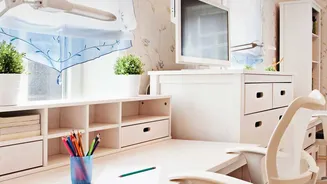
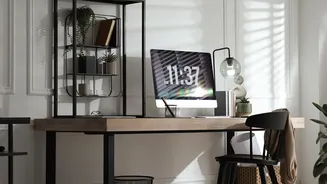
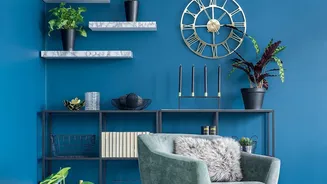
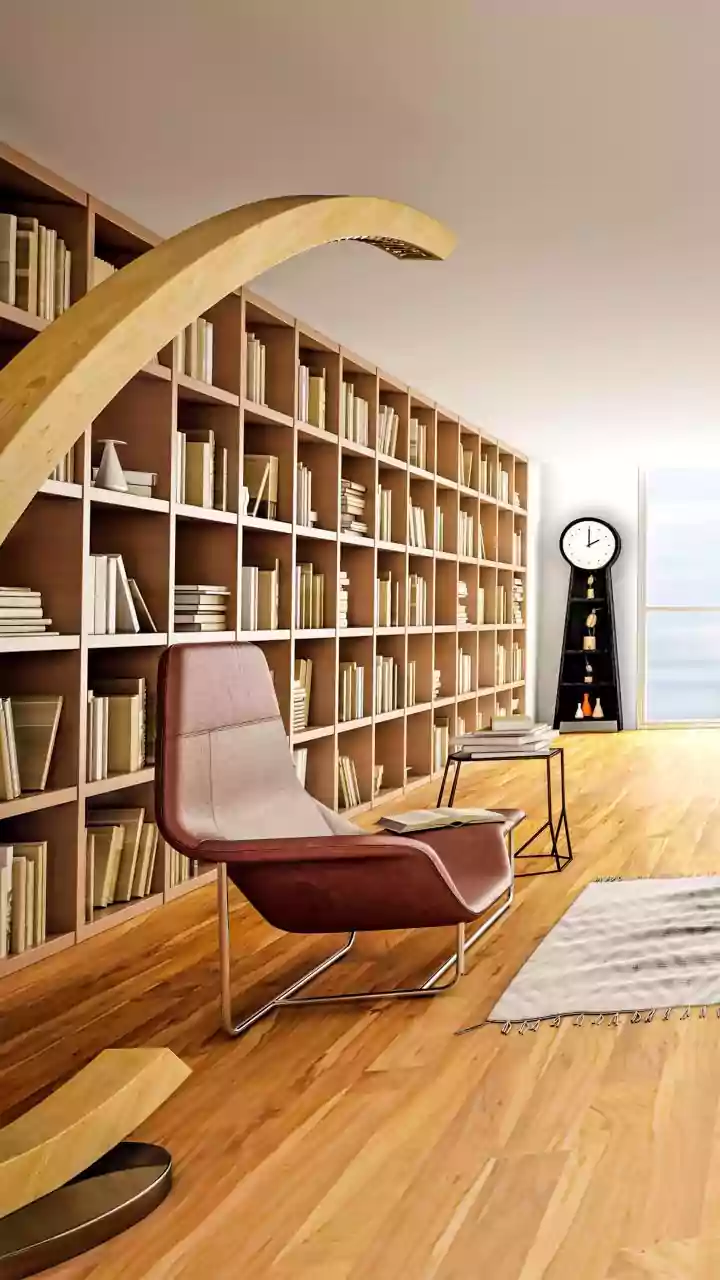
A workspace is more than just a surface; it requires organisation. When you're avoiding additional furniture like bookcases or filing cabinets, the only way to go is up. The wall space above and around your new corner desk is prime real estate for vertical storage. Simple floating shelves can hold books, files, and decorative items. A wall-mounted pegboard offers a flexible and modern way to hang stationery, chargers, and small tools. Integrated lighting, such as a sleek wall-mounted sconce or an under-shelf LED strip, is also crucial. It defines the space, provides necessary task lighting, and prevents the nook from feeling like a dark afterthought.
Integrate, Don't Intrude
The most successful corner workspaces are those that look like they were part of the home's original design. Look for architectural quirks you can leverage. Is there an unused alcove under the stairs? A shallow niche in a hallway? A wide window sill that could be extended to form a desk? By building into these existing features, you create a workspace that feels bespoke and intentional. Using the same paint colour on the shelves as the wall can make the storage blend in, reducing visual noise. The goal is to create a zone that can be activated for work but recedes quietly into the background when not in use, maintaining the primary function of the room, whether it's a living room or a bedroom.
Making the Small Space Work
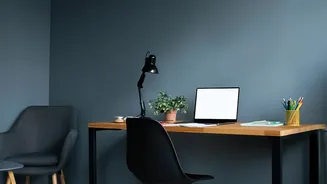
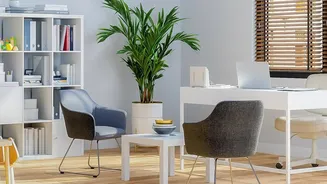
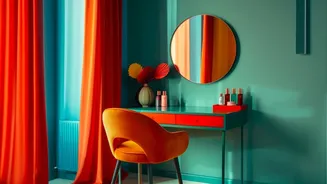
Creating a desk nook doesn't mean sacrificing comfort or style. To prevent the corner from feeling cramped, use design tricks to enhance the sense of space. Painting the nook a light colour or a calming shade can help it feel more open. Placing your setup near a window for natural light is ideal for productivity and well-being. If the corner is dark, a strategically placed mirror can bounce light around and create an illusion of depth. Finally, choose a comfortable, stylish chair that can be tucked away neatly. Since it's the only piece of 'furniture' you might add, it’s an opportunity to add a pop of colour or a design accent that ties the entire corner together.