





The Show in the Sky
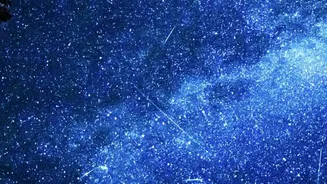
The Orionid meteor shower is one of the most beautiful and reliable displays of the year. It happens every October when our planet travels through a field of cosmic debris left behind by the famous Halley's Comet. These tiny particles, often no bigger
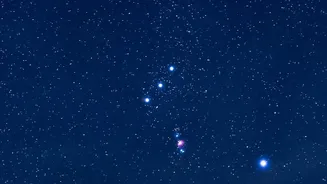
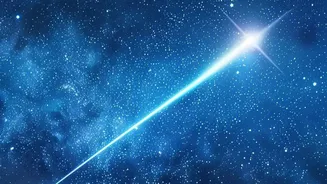
than grains of sand, burn up as they hit our atmosphere at incredible speeds—about 66 kilometres per second—creating the bright, fast streaks we call meteors or shooting stars. They are named 'Orionids' because they appear to radiate from a point near the constellation Orion, but they can be seen streaking across any part of the sky.
When to Watch in 2026
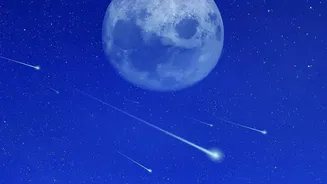
Mark your calendars for the night of October 21-22, 2026, which is the predicted peak of the shower. While you might see some activity from early October to early November, your best chance is during the peak. The main challenge this year is a bright waxing gibbous Moon, which will be about 80% full. However, there is a window of opportunity. The Moon is expected to set around 3 a.m. local time, creating a period of true darkness until dawn. For the best experience, plan to be out watching in these pre-dawn hours.
Finding Your Urban Observatory
The biggest hurdle for city-based skywatchers is light pollution. Streetlights, buildings, and general city glow can wash out all but the brightest stars. But don't be discouraged. The key is to find the darkest spot you can access. Large city parks, open fields, or even the top of a tall building with an unobstructed view can work. Look for areas away from the direct glare of streetlights. The further you can get from the city centre, the better your odds. Even a short drive to the outskirts can dramatically increase the number of meteors you'll see. Use online light pollution maps to identify darker zones near your city.
How to Prepare for Success
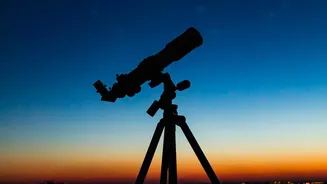
You don't need any expensive equipment like telescopes or binoculars; in fact, they are not recommended because their narrow field of view makes it harder to spot the fast-moving meteors. Your eyes are the best tool for the job. The most important thing you can do is allow your eyes to adapt to the darkness, which can take 20 to 30 minutes. Avoid looking at your phone screen, as its bright light will ruin your night vision. Dress warmly in layers, as you'll be sitting still for a while. Bring a comfortable chair that reclines or a blanket to lie on, so you can look up without straining your neck. Patience is essential; this is a waiting game.
The Right Way to Look
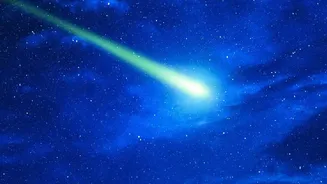
Once you're settled, lie back and look straight up, taking in as much of the sky as possible. While the meteors radiate from the direction of the constellation Orion, you don't need to stare directly at it. In fact, you'll see longer and more spectacular streaks if you look about 45 to 90 degrees away from the radiant point. Looking directly at the radiant can result in seeing meteors that appear shorter due to perspective. Orionid meteors are known for their speed and can sometimes leave a glowing trail, or 'train', that lingers for a few seconds. Some can even be bright 'fireballs'. With rates of up to 20 meteors per hour in dark skies, a city observer should manage expectations but can still be rewarded with a handful of brilliant streaks.